PHOTO
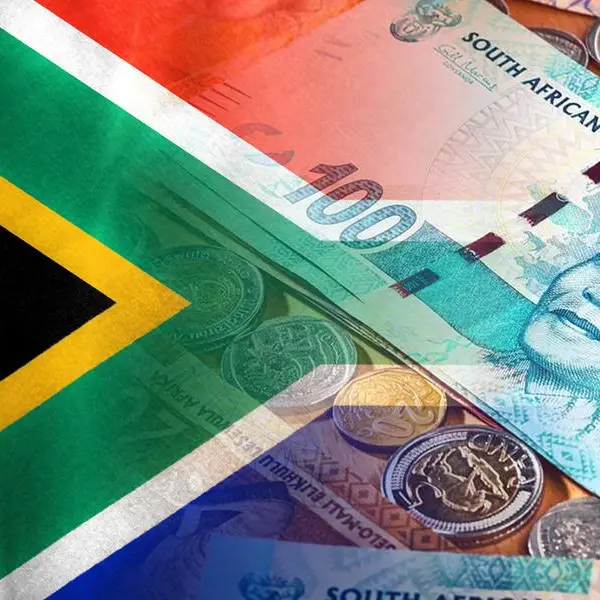
Independent rail operator Traxtion has finalised an $86m (around R1.4bn) equity capital raise designed to accelerate the revitalisation of the rail network across South Africa and the broader subcontinent.
Facilitated by corporate finance advisors Pallidus Capital, the capital raise brings together heavy-hitting institutional backers, including Stanlib Infrastructure Investments (via its Stanlib Infrastructure Fund II) and Standard Bank, which have acquired a significant minority stake in the company. Long-standing investor Harith also backed the round through its Harith InfraCo and PAIDF2 funds.
The incoming equity successfully closes out the funding required for Traxtion’s previously announced R3.4 billion rolling stock investment programme. This ambitious fleet expansion includes the acquisition of 46 locomotives and 920 wagons, while establishing a secondary pool of capital earmarked for future expansion.
Driving structural reform
The transaction lands at a critical juncture for regional logistics. South Africa’s freight rail constraints have long acted as a bottleneck for economic growth, prompting structural government reforms aimed at boosting private-sector participation. Traxtion's new capital aligns directly with the anticipated rollout of Version 4 of the national Network Statement, which is expected to grant private operators greater structural certainty.
"This investment reflects Stanlib’s focus on backing scalable infrastructure platforms that support government-led reforms to improve logistics efficiency," said Muhammed Munshi, principal at Stanlib Infrastructure Investments. "We see Traxtion as a proven operator positioned to expand freight rail capacity and network efficiency."
Willem Els, vice president of Investment Banking at Standard Bank, echoed this sentiment, noting that strategic collaborations between public and private sectors are now essential to restoring the resilience of the country’s freight logistics network.
Local economic impact
Traxtion’s business model centres on upgrading, maintaining, and optimising rail assets to provide cost-effective freight alternatives that relieve under-pressure road infrastructure.
According to Traxtion CEO James Holley, the rolling stock programme remains firmly on track. The first newly acquired locomotives are scheduled to enter commercial service in March 2027. Crucially for the local economy, the manufacturing and deployment pipeline mandates a minimum 60% local content target and is projected to directly support 662 jobs.
"The backing of South Africa’s largest financial institutions sets us up perfectly to deliver," Holley stated, adding that the capital raise builds immense balance sheet readiness for future fundraising rounds as market demand evolves.
A signal of market confidence
The deal has been widely welcomed by the broader South African business community as a tangible sign that policy reforms are finally translating into private infrastructure investment.
Khulekani Mathe, CEO of Business Unity South Africa (Busa), and Busisiwe Mavuso, CEO of Business Leadership South Africa (BLSA), both endorsed the transaction. They emphasised that mobilising private capital to build actual operational capacity is a vital step toward restoring national trade competitiveness and driving long-term economic sustainability.
. © 2026. Bizcommunity.com Provided by SyndiGate Media Inc. (Syndigate.info).