PHOTO
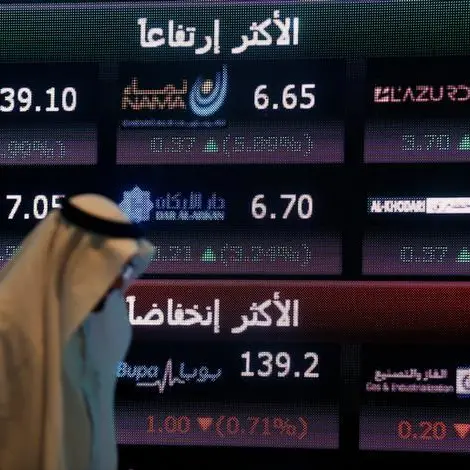
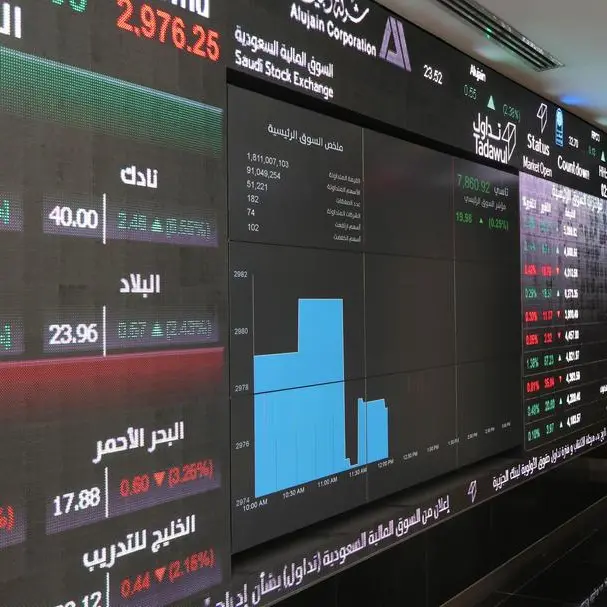
LONDON/SINGAPORE - European stocks dipped on Wednesday as jitters about artificial intelligence disruption persisted, while S&P 500 futures edged higher as investors awaited U.S. jobs data later in the day.
Meanwhile, in a potential shift in investor thinking since Sunday's landslide election victory for Japan's Prime Minister Sanae Takaichi, the yen extended its rally, and the dollar slipped for a fourth straight session.
Europe's benchmark STOXX 600 index was last down 0.28%, weighed down by a fall in French software maker Dassault Systemes amid simmering fears about disruption from artificial intelligence to companies ranging from insurers and software makers to wealth managers.
Germany's DAX M.GDAXI> fell 0.43%, while Britain's FTSE 100 climbed 0.2%.
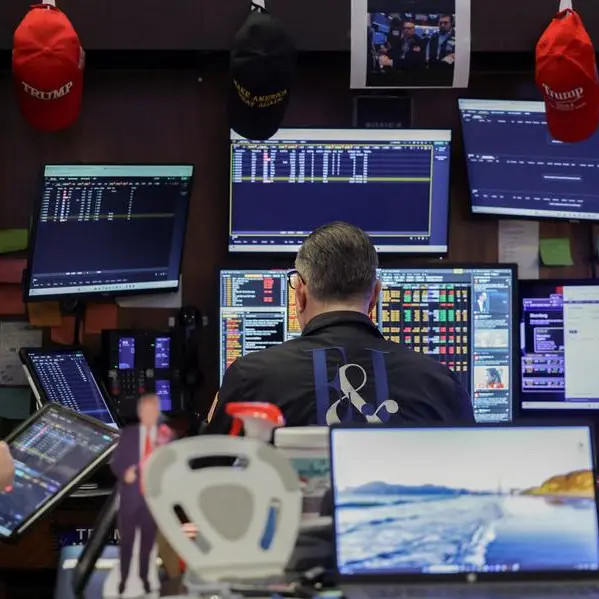
Futures on the U.S. S&P 500 rose 0.17% while those for the tech-dominated Nasdaq were up 0.14%.
INVESTORS WEIGH AI'S IMPACT
Benchmark stock indices have continued to trade near all-time highs despite worries about AI hitting certain sectors, as investors have pivoted towards companies they see as less likely to be negatively affected.
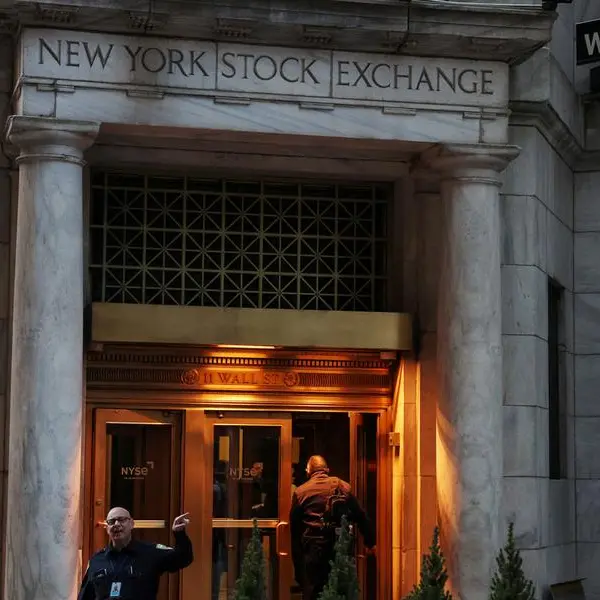
The S&P finished less than 1% below January's all-time high on Tuesday, slipping 0.3%, even as wealth management firms suffered a selloff over renewed fears that new AI models could shake up the sector.
Europe's STOXX 600 and Britain's FTSE 100 both hit record highs earlier this month.
"The scope for contagion across broader UK and European indices would seem to be limited due to the relatively low weighting of technology on this side of the Atlantic," said Derren Nathan, head of equity research at Hargreaves Lansdown.
"Large language models can't simply create replacements for medicines and raw materials," he added. "Surging energy and rare earths demand can be taken as a positive for some key industries."
KEY US JOBS DATA LOOMING
Data due at 8:30 a.m. ET (1330 GMT) is expected to show U.S. nonfarm payrolls increased by 70,000 last month after rising 50,000 in December. The report was initially due last Friday, but was delayed by a government shutdown.
Economists expect the unemployment rate held steady at 4.4%. But the annual benchmark payrolls revision could downgrade job growth over the last year by 750,000 to 900,000 positions, according to analysts.
Data on Tuesday showed U.S. retail sales unexpectedly flat-lined in December, causing traders to nudge up bets on Federal Reserve rate cuts this year.
Benchmark 10-year U.S. Treasury yields were last flat at around 4.14%, a roughly one-month low, after falling 5 basis points on Tuesday.
DOLLAR WILTS AS YEN SHINES
The potentially weaker economic outlook and a resurgent yen weighed on the U.S. dollar on Wednesday, with the key index tracking the currency down 0.4% to 96.49, its lowest in almost two weeks.
Trade in Asia was lightened by a holiday in Japan, but a third straight session of gains for the yen had it at 153.13 per dollar and set traders talking about whether it was catching a boost from Tokyo or riding high on dollar softness.
It is up about 2.5% on the dollar since Takaichi won a sweeping victory on Sunday, confounding some expectations that concern about her stimulus plans would keep pressure on the currency and on bonds.
Nikkei futures rose on Wednesday as Asian stocks climbed, though the cash market was shut for a holiday.
Gold rose back above $5,000 an ounce while bitcoin slipped 2% to around $67,000.
(Reporting by Harry Robertson in London and Tom Westbrook in Singapore; Editing by Kim Coghill and Joe Bavier)