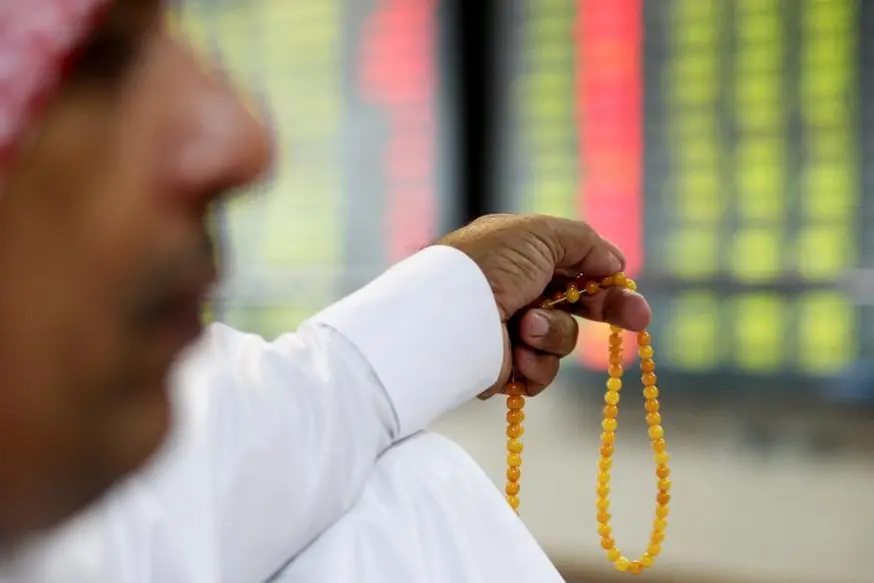
PHOTO
Stocks in Dubai and Abu Dhabi sank on Wednesday as markets reopened after a two-day halt following Iran's unprecedented wave of missile and drone attacks on the UAE over the weekend. U.S. forces continued nonstop operations against Iran on Wednesday as Israel launched wide-ranging strikes on Iranian missile and air-defence targets.
Dubai's main share index slid 4.7%, its biggest intraday drop since May 2022, in broad-based declines led by blue-chip developer Emaar Properties 4.9%, while budget airline Air Arabia retreated 5%.
Airlines and the tourism sector rushed to respond to more than 20,000 flight cancellations, while governments moved quickly to repatriate travellers stranded in the Middle East.
Meanwhile, top lender Emirates NBD dropped 5%. In Abu Dhabi, the index ended 1.9% lower from the 3.6% loss in early trade, with the country's biggest lender First Abu Dhabi Bank losing 5%. Among energy stocks, Dana Gas and TAQA were down 5% and 4.9%, respectively.
ADNOC — the parent across the fuel distribution, drilling, logistics, and gas chain — came under pressure, the entire complex sold off in tandem.
Aldar Properties was down 5%. Abu Dhabi Commercial Bank plunged 4.9%. The UAE's third-largest lender by assets said it has restored its mobile banking app after a disruption that also hit its contact centre, with some features still being reinstated.
Both Dubai and Abu Dhabi exchanges said on Tuesday that they would temporarily set the lower price limit for securities at -5% from -10%.
The Abu Dhabi Securities Exchange has told listed companies to immediately assess financial and operational exposure and promptly disclose any material information that could influence investor decisions. The UAE's Capital Markets Authority closed the ADX and DFM on March 2 and March 3, an extraordinary step outside usual holiday and mourning closures.
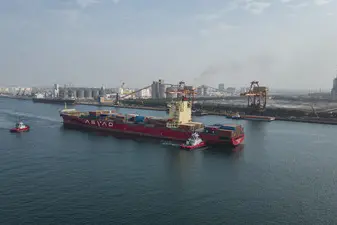
The closure froze trading in billions of dollars' worth of listed assets as investors awaited clarity on the scale of damage from the weekend strikes on airports, ports and residential areas across both emirates.
It sent investors the message that regulators are prioritising orderly price discovery over a volatility rollercoaster, said Ahmad Assiri, a research strategist at Pepperstone.
"Because the Saudi market has already absorbed the initial shock, recovering from a 5% Sunday drop to post gains by Tuesday, the UAE reopening is expected to follow this recovery template to some extent," Assiri said.
Saudi Arabia's benchmark index finished 1.2% higher, on course to extend the previous session's gains, led by an increase of 1.3% in Al Rajhi Bank .
Jabal Omar Development - which runs the Jabal Omar complex of hotels and property within walking distance of the Grand Mosque in the Muslim holy city of Mecca - advanced about 6%, following a steep rise in annual profit.
Elsewhere, budget airline flynas jumped 4.3%, ending a three-session losing streak.
However, oil major Saudi Aramco slipped 2.3%. Oil prices rose about 1% as U.S.-Israeli strikes on Iran disrupted Middle East supplies, but the pace of gains slowed from past sessions after President Donald Trump suggested the U.S. Navy could escort vessels through the Strait of Hormuz.
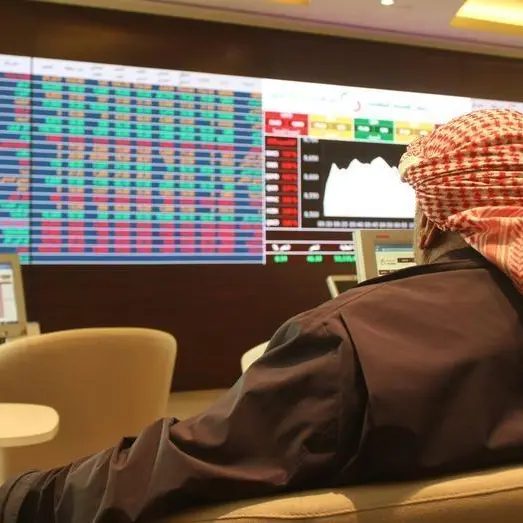
In Qatar, the index added 0.8%, with Qatar Islamic Bank advancing 2.2%.
However, Industries Qatar eased 0.3%, as the petrochemical maker announced plans to suspend and cut some products.
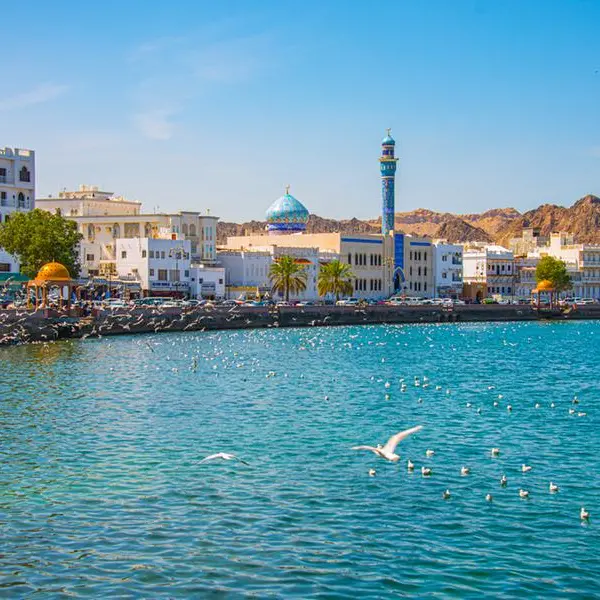
Muscat's index rose 0.4%, whereas the Bahraini index was down 1.3%.
The Kuwaiti index fell 0.6%.
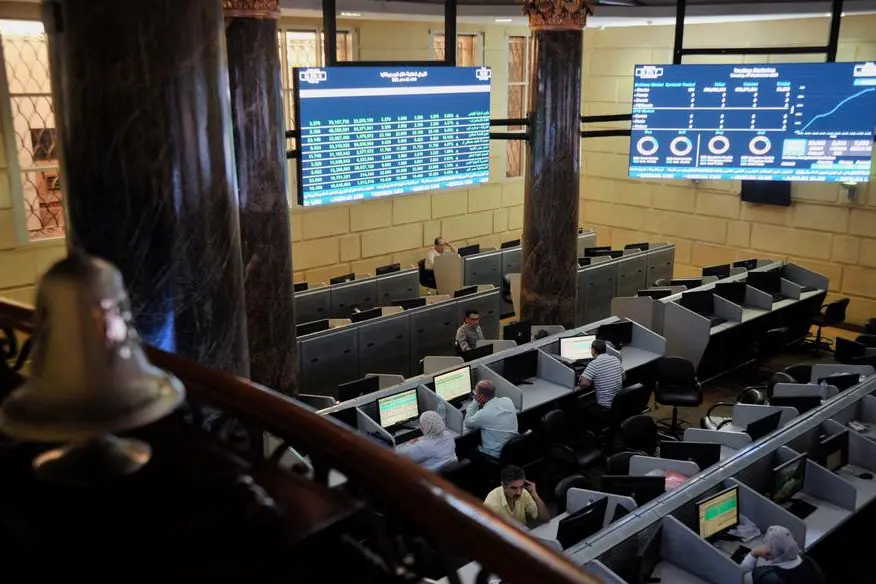
Outside the Gulf, Egypt's blue-chip index retreated 0.6%.
(Reporting by Ateeq Shariff in Bengaluru; Editing by Sumana Nandy, Clarence Fernandez, Toby Chopra and Harikrishnan Nair)