PHOTO
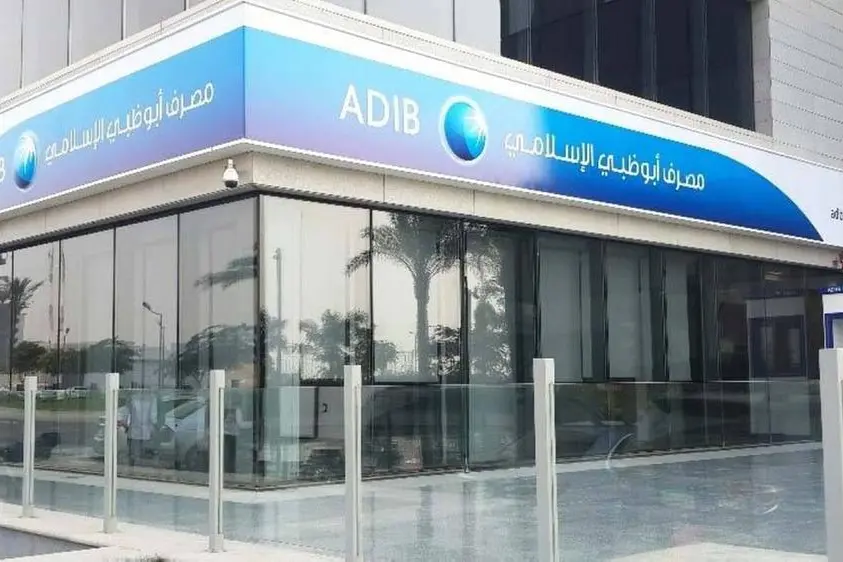
Abu Dhabi Islamic Bank (ADIB) shareholders approved the distribution of a cash dividend of 97.05 fils per share, representing a total payout of AED3,524,856,000, equivalent to 50 percent of 2025 net profit, marking an increase from 83 fils per share in 2024.
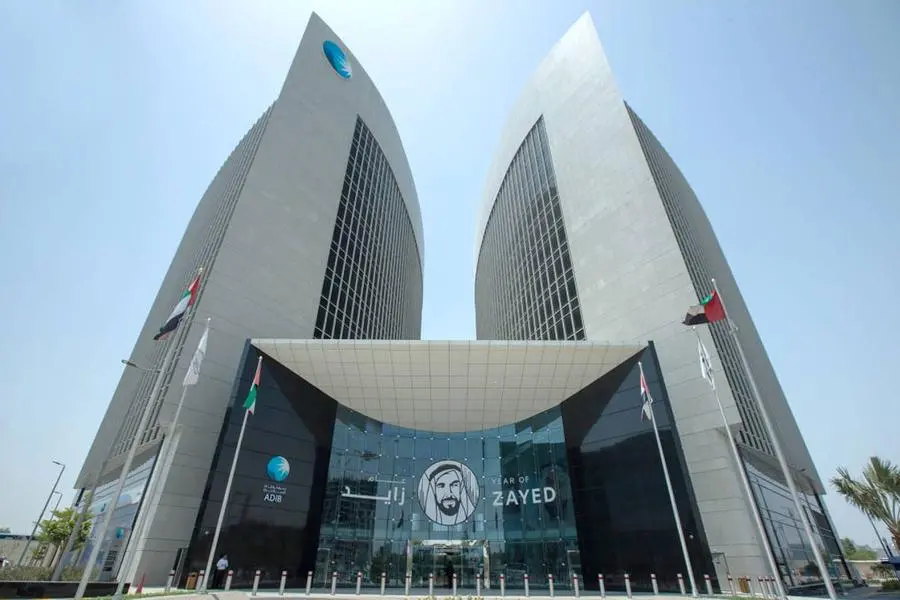
The announcement came during the shareholders' Annual General Assembly (AGM) on Wednesday at ADIB HQ.
ADIB delivered a strong set of financial results in 2025, reporting a net profit before tax of AED8.1 billion, representing 18 percent year-on-year growth with return on equity reaching an exceptional 29 percent.
Total assets grew by 24 percent to AED281 billion with customer financing expanded, supported by strong growth in customer deposits. Asset quality improved further, with the non-performing financing ratio declining to its lowest level on record.
During the year, ADIB successfully attracted approximately 283,000 new customers. These achievements coincided with the launch of the Bank’s new Vision 2035, which sets a clear strategic framework for sustainable growth and long-term value creation.
During the meeting, shareholders approved the board of directors’ report, the auditors' report and the financial statements for the year 2025.
Jawaan Awaidha Suhail Al Khaili, ADIB's Chairman, said, “During the year, we continued to advance our sustainability agenda, taking meaningful steps to support our ESG roadmap, including our commitment to reducing our carbon footprint and expanding sustainable financing. With the launch of Vision 2035, we have set a clear and transformative roadmap that positions ADIB at the forefront of the industry, driven by innovation, digital and AI capabilities, a strong customer focus, and a deep commitment to long‑term sustainable growth.”
Mohamed Abdelbary, ADIB's Group Chief Executive Officer, said, “As we begin a new strategic chapter with the launch of ADIB Vision 2035, we are building on five years of consistent outperformance to position ADIB as a future‑ready, innovative Islamic bank focused on sustainable growth, customer value and long‑term shareholder returns.”