PHOTO
Gulf stock markets ended mixed on Tuesday as investors weighed the possibility of U.S. President Donald Trump ending the Iran war.
Trump is ready to end the Iran campaign even if the Strait of Hormuz remains largely closed, the Wall Street Journal reported, after the president warned earlier he would "obliterate" Iran's energy infrastructure if Tehran kept the waterway shut.
Saudi Arabia's benchmark index gained 0.7%, with Al Rajhi Bank rising 1.1% and petrochemical maker Saudi Basic Industries Corp closing 1.7% higher. Elsewhere, oil major Saudi Aramco added 0.4%.
Saudi Arabia has rerouted its Gulf crude exports from the Strait of Hormuz, with some 4.658 million barrels per day sent to the Red Sea port of Yanbu, Kpler data showed, a sharp rise from an average of 770,000 bpd in January and February.
Brent oil futures headed for their largest monthly gain in volatile trading on Tuesday, as investors assessed Iran war de-escalation against Strait of Hormuz supply risks.
Defying most of regional peers, the Saudi index weathered the war and rose 5.1% for the month. In Qatar, the index rose 0.9%, led by a 2.2% rise in the Gulf's biggest lender Qatar National Bank and a 3.5% increase in Qatar Gas Transport .
With a loss of more than 8%, the Qatari index saw its worst monthly performance since December 2020.
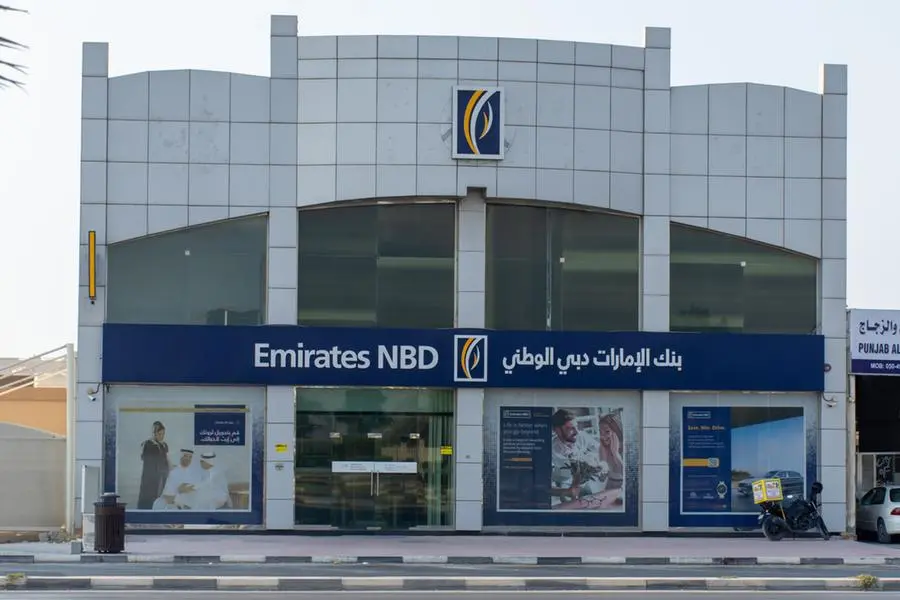
Dubai's main share index gave up early gains to close 0.2% lower, with top lender Emirates NBD declining 0.6%.
A fully laden crude oil tanker off Dubai was attacked and set ablaze by Iran early on Tuesday, following Trump's warning that the U.S. would obliterate Iran's energy infrastructure if the Strait of Hormuz remained closed. Dubai has approved economic facilitation measures worth 1 billion dirhams ($272.26 million) to support business sector, with implementation set to begin on April 1 for a period of three to six months, Dubai crown prince posted on X on Monday.
The emirate's stock index, in the Middle East's travel and tourism hub, was the worst performer in the region, sliding 16.4% for the month, its biggest decline since March 2020. Dubai's stock market may be supported by continued government efforts to sustain economic momentum, helping offset external headwinds, said Joseph Dahrieh, managing director at Tickmill.
The Abu Dhabi index slipped 0.1%, taking its monthly loss to about 9%. In Abu Dhabi, higher oil prices are offering underlying support despite weaker crude export volumes. Overall, resilient domestic fundamentals continue to anchor UAE markets, said Dahrieh.
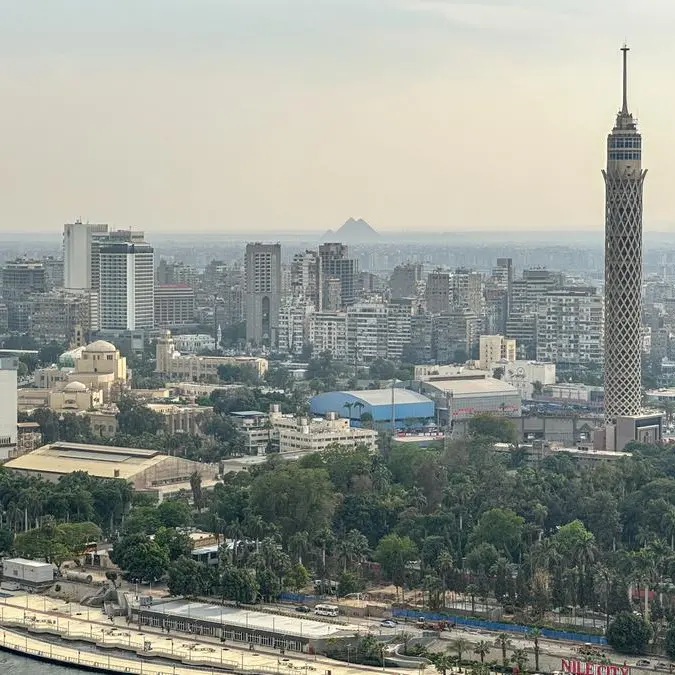
Outside the Gulf, Egypt's blue-chip index added 0.3%, although it ended the month down 7.9%—its first monthly loss since December 2024.
- Saudi Arabia rose 0.7% to 11,250
- Abu Dhabi eased 0.1% to 9,521
- Dubai lost 0.2% to 5,434
- Qatar gained 0.9% to 10,188
- Egypt added 0.3% to 45,322
- Bahrain fell 0.3% to 1,899
- Oman added 0.4% to 8,168
- Kuwait rose 0.4% to 9,009
(Reporting by Ateeq Shariff in Bengaluru' Editing by Kate Mayberry and Arun Koyyur)