PHOTO
LONDON: Growth will slow this year across a slew of developing markets due to the spike in energy costs and supply chain disruptions triggered by the Middle East war, the European Bank for Reconstruction and Development said on Wednesday.
Economies in the 41 countries covered by the development finance institution are expected to expand at a slower-than-forecast 3.1% this year, 0.5 percentage points below the level forecast in February.
"This report is a story of the continued energy shock," EBRD Chief Economist Beata Javorcik told Reuters. "It hit at the moment that was challenging for Europe, a moment where the sentiment in European manufacturing has been weak."
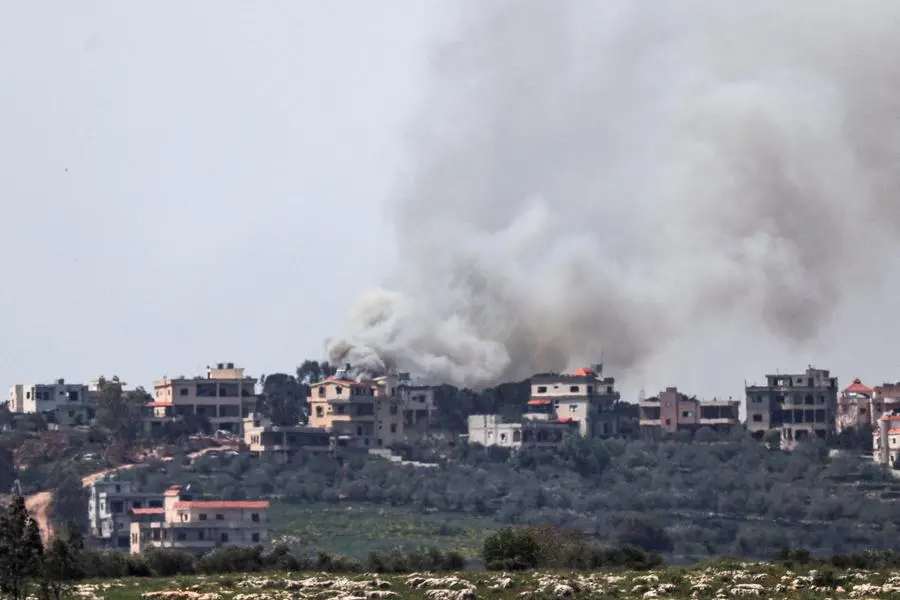
The bank flagged slower growth in key nations including Turkey, Ukraine and Egypt. But the biggest revisions from its February forecast came in Lebanon and Iraq, slashed by 6 percentage points and 5.1 percentage points, respectively. Both economies are expected to contract this year -- Lebanon by 2% and Iraq by 1.5%.
Last year, EBRD region economies grew at a quicker-than-expected rate of 3.4% as they rapidly adapted to tariff and trade turmoil.
Inflation rose by 1.2 percentage points between February and April to an average of 6.4%, with the bank warning that further food price increases -- should higher fertiliser costs hit yields -- would be felt most in lower-income EBRD economies. It also cautioned that higher borrowing costs mean inflation spikes are no longer reducing debt-to-GDP ratios as they did after COVID-19.
SHIFT FROM INDUSTRY TO AI
Energy price spikes this year have stayed below the surge after Russia’s 2022 invasion of Ukraine, but European gas prices are still around five times U.S. levels. The report says this is already shifting exports away from energy-intensive sectors, while AI-related exports from EBRD regions are growing faster -- rising 42% year-on-year in Hungary and 21% in Poland in 2025.
"This is a bright spot ... the region already has comparative advantage in some of those industries," Javorcik said, adding the AI boom could create opportunities and help cushion a structural adjustment as a result of the energy shock.
Almost two-thirds of EBRD economies, and around a quarter of economies globally, have implemented at least one measure to conserve energy or support consumers in response to higher energy prices.
Javocik warned that removing or lowering taxes on fuel "destroys the incentive for people to buy less and that may exacerbate sort of shortages going forward." (Reporting by Libby George, Editing by William Maclean)