PHOTO
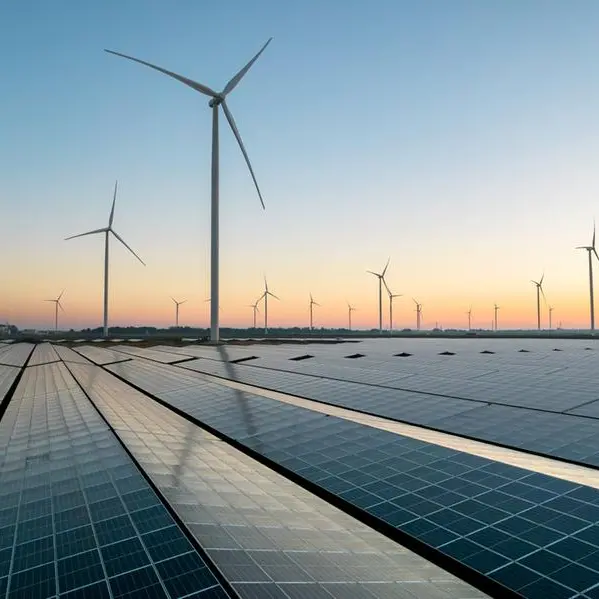
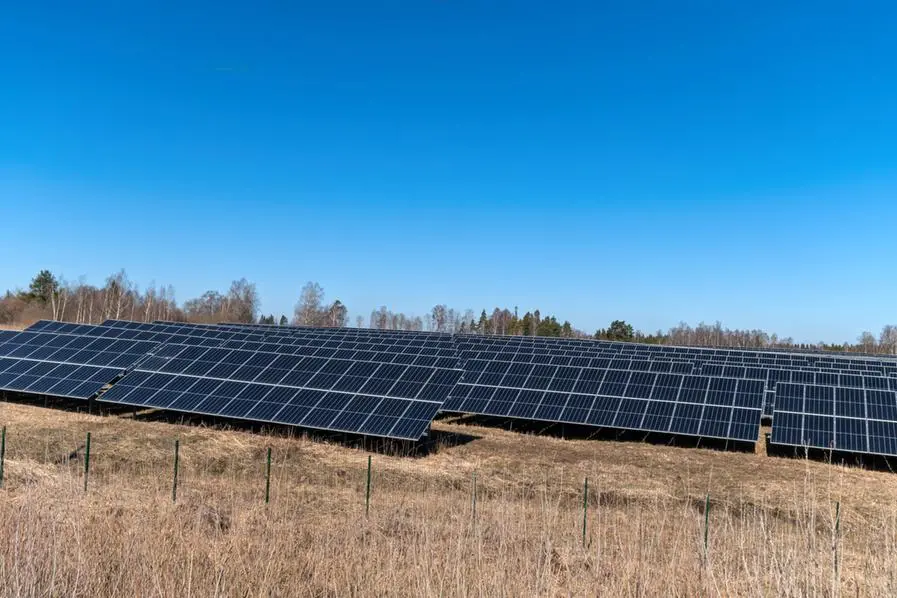
Arab countries possess enormous potential for renewable energy resources, but their total solar power generation does not exceed 1.3 percent of the global solar output, according to the Arab Energy Organisation (AEO).
Many Arab states are located in a geographical region characterised by the highest solar irradiance on Earth and moderate to high wind speeds, AEO said in a study.
A few countries also have significant hydropower resources, it said, adding that all of them are qualified to exploit these renewable resources.
“However, none of these resources have been utilised to their full potential so far..the Arab share of the total global installed capacity for electricity generation from solar energy did not exceed 1.3 percent, wind energy 0.5 percent, hydroelectricity 0.7 percent, and 0.9 percent of the total global installed capacity for electricity generation from renewable energy sources combined during 2023,” said AEO, previously known as OAPEC.
About 51 percent of the total installed capacity for electricity generation from renewable energy sources in the Arab countries during 2023 was concentrated in three countries: Egypt, the UAE, and Morocco.
Egypt accounted for about one-fifth of the total installed capacity for electricity generation from renewable energy sources in the Arab countries, while the UAE's share reached about 18.3 percent and Morocco's about 12.4 percent.
The Arab countries' share of public investments in renewable energy technologies did not exceed 0.8 percent of total global investments at best during the period 2013-2023, the Kuwaiti-based group said.
Nearly 84 percent of total public investments in Arab countries in solar energy technologies during that period, estimated at around $9.15 billion, were concentrated in three Arab countries namely Morocco, Egypt, and Jordan. Morocco's share was 48 percent, Egypt's 25.7 percent, and Jordan's 10.4 percent, the study said,
As for wind energy technologies, nearly 83.2 percent of total Arab public investments, estimated at around $4.05 billion, were concentrated in Egypt, Morocco, and Tunisia. Egypt's share was 44.1 percent, Morocco's 25.2 percent, and Tunisia's 13.9 percent.
(Reporting by N Saeed; Editing by Anoop Menon)
Subscribe to our Projects' PULSE newsletter that brings you trustworthy news, updates and insights on project activities, developments, and partnerships across sectors in the Middle East and Africa.