PHOTO
Morocco is expected to spend nearly $40 billion on transport projects ahead of the 2030 FIFA world cup games which it co-hosts with Spain and Portugal.
The bulk of the investments will be channeled into a new airport and expansion of existing airports, rail projects and the purchase of new aircraft for Royal Air Maroc, a government report published by the local media.
“These investments are part of a strategic vision that extends beyond the sporting event itself, aiming to create a long-term economic and logistical shift,” Moroccan Transport Minister Abdel Samad Qayouh said in the report.
At the heart of the projects, the air transport sector stands out as one of the main pillars, through the launch of an investment plan exceeding $4 billion.
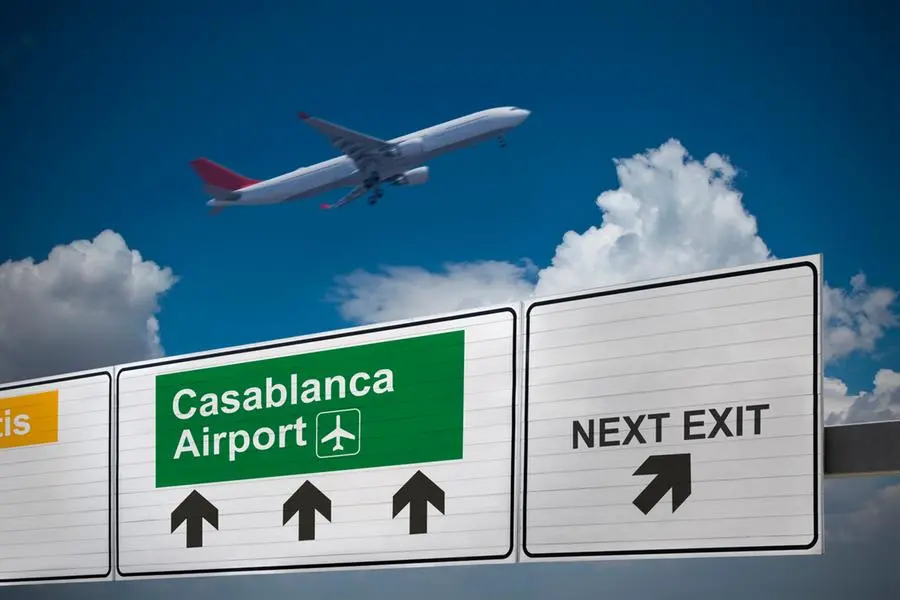
This plan includes the construction of a new international airport in Casablanca and the expansion of several major airports across the Kingdom, the report said.
The stated target is to increase the capacity of Moroccan airports from 40 million passengers annually to 80 million by 2030, thereby strengthening the country's position as an air transit hub in North Africa and a gateway to sub-Saharan Africa and Europe.
In parallel with the development of its airport infrastructure, Royal Air Maroc plans an unprecedented expansion, aiming to increase its fleet from around 70 aircraft currently to nearly 200 aircraft by 2035.
The cost of this programme is estimated at around $25 billion, the report noted, adding that it aims to enhance direct air connectivity with various regions of the world, with a particular focus on European and Asian markets, as part of a strategy to make Casablanca a major air hub.
“On the ground, the railway sector is also witnessing an investment boom of nearly $10 billion, including the development of existing lines, the expansion of the high-speed rail network, and its connection to airports and major cities to facilitate the movement of fans during and after the World Cup,” the report said.
“These mega projects, part of a comprehensive investment vision of nearly $40 billion, are not designed solely to serve a global sporting event, but rather reflect a strategic direction towards strengthening Morocco's position as an economic and logistical hub between Africa, Europe, and the world.”
(Writing by N Saeed; Editing by Anoop Menon)
Subscribe to our Projects' PULSE newsletter that brings you trustworthy news, updates and insights on project activities, developments, and partnerships across sectors in the Middle East and Africa.