PHOTO
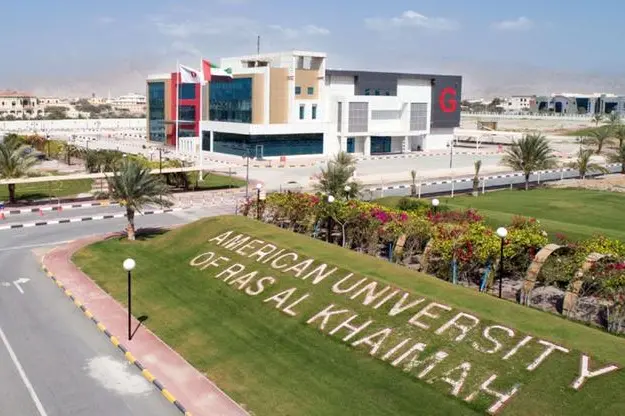
Ras Al Khaimah, UAE, An innovative integrated urban energy system capable of simultaneously generating electricity, green hydrogen and freshwater, using concentrated solar energy and advanced waste-heat recovery, has been presented by Dr. Uday Kumar Nutakki, Associate Professor of Chemical Engineering at the American University of Ras Al Khaimah (AURAK), as part of joint research involving an international team of seven researchers from nine universities.
The study, published online in the prestigious journal Process Safety and Environmental Protection (DOI: https://doi.org/10.1016/j.psep.2024.07.062), presents a novel multi-generation configuration designed to significantly enhance energy utilisation in urban environments, while reducing losses commonly associated with conventional energy systems.
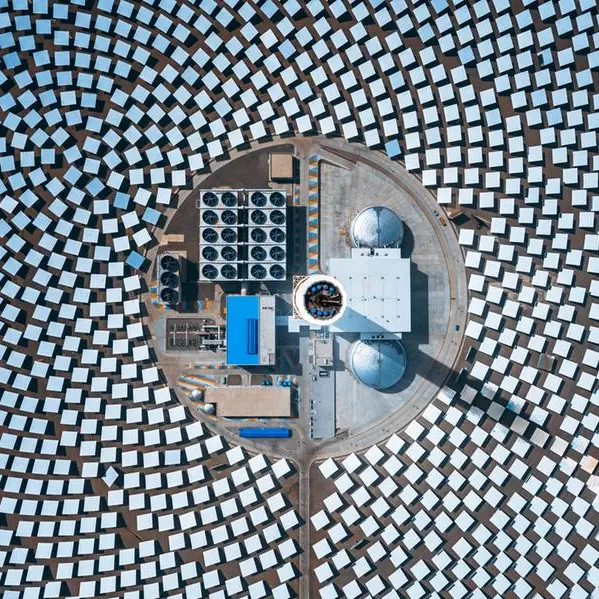
The research introduces a concentrated solar power (CSP)-centred system built around a solar tower-driven Brayton cycle integrated with dual bottoming power cycles—namely a steam Rankine cycle and an Organic Rankine cycle. The recovered thermal energy is directly coupled to a reverse-osmosis desalination unit and a proton exchange membrane (PEM) electrolyser for hydrogen production.
This coordinated design enables the simultaneous and efficient production of three essential resources—power, water, and green hydrogen—within a single compact architecture. By cascading energy flows and recovering waste heat, the system maximises overall efficiency and reduces energy losses that typically occur in standalone infrastructures.
Professor Khalid Hussain, Provost of AURAK, highlighted the broader institutional impact of the research: “This important study reflects AURAK’s commitment to impactful, globally relevant research that addresses pressing societal challenges. Dr. Uday Kumar’s contribution demonstrates how advanced engineering research can support clean energy transitions, water security, and climate resilience.”
Dr. Uday Kumar emphasised the transformative potential of the research: “Our work demonstrates that concentrated solar energy, when intelligently integrated with cascading power cycles and waste-heat recovery, can go beyond merely generating electricity. By simultaneously producing clean power, freshwater, and green hydrogen, we are proposing a practical pathway toward sustainable and resilient urban infrastructure. This approach not only improves energy efficiency but also strengthens energy and water security in regions facing climate and resource challenges.”
Under the assessed operating conditions, the system demonstrated strong technical performance, delivering approximately 2.05 MW of electricity to the grid, producing about 125.3 kg/s of freshwater, and generating 15.52 kg/h of green hydrogen. The overall exergy efficiency reached 19.52%, confirming the practical feasibility of deploying such integrated systems for urban energy and water services.
Although solar energy is abundant and environmentally sustainable, its large-scale deployment—particularly in solar thermal applications—has been limited by high initial investment costs, system integration complexities, and operational challenges linked to intermittency and seasonal variability.
The innovation presented in this study addresses these gaps by integrating advanced thermal cycles with desalination and hydrogen production in a unified framework. The system was also evaluated under dynamic and seasonal operating conditions, demonstrating resilience and sustained performance across varying climatic scenarios.
The system’s design aligns closely with global sustainability priorities. By reducing dependence on fossil fuels, lowering greenhouse gas emissions, and maximising solar energy utilisation, the proposed solution contributes to climate mitigation and long-term environmental resilience.
For regions such as the Middle East, where solar irradiance is high and freshwater scarcity is a critical concern, integrated solar-driven multi-generation systems could represent a significant advancement in sustainable infrastructure planning.
About the American University of Ras Al Khaimah
The American University of Ras Al Khaimah (AURAK), located in the United Arab Emirates, is a non-profit, public university offering a comprehensive portfolio of accredited and internationally recognized undergraduate and postgraduate programs. With a focus on holistic education, innovation, and practical knowledge, AURAK prepares students to become global citizens and leaders in their fields. Through strategic partnerships with top global universities and organizations, AURAK provides unparalleled opportunities for international exposure, research collaboration, and real-world learning.