PHOTO
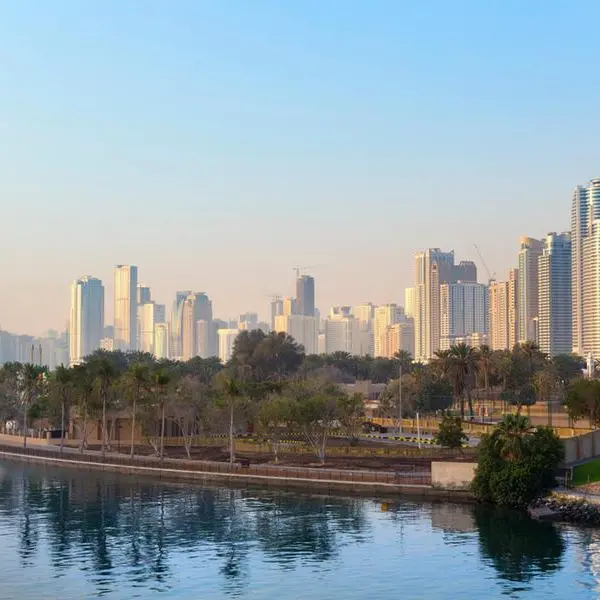
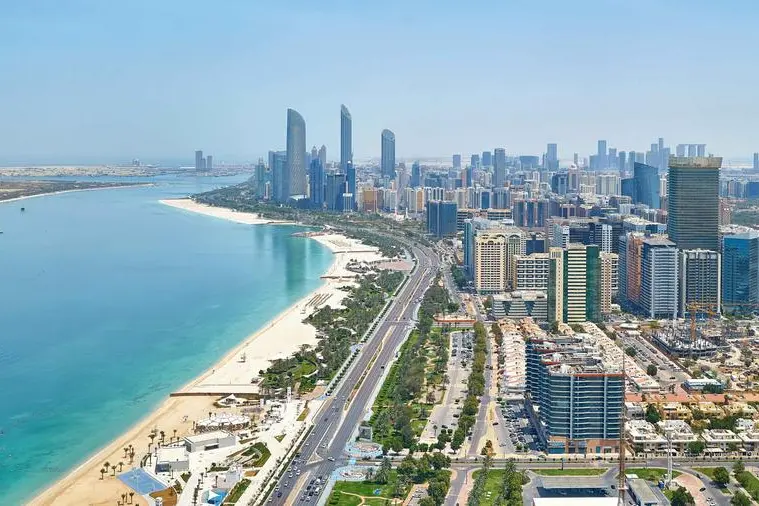
Fitch Ratings: UAE homebuilders are likely to prioritise cash conservation following the geopolitical shock in the Middle East. Immediate viewings have fallen, although the contractual backlog of pre-sales and purchasers’ escrowed cash should provide stability in the near term for the Fitch-rated portfolio, which is clustered around the ‘B+’ and ‘BB-‘ ratings.
Even before the conflict, the region was exposed to geopolitical risks. Booming housing construction was already reliant on overseas demand, which we expect to be subdued due to the conflict. In Dubai, local resident demand is estimated at just 40% of end-users, according to Property Monitor. In-place requirements may also reduce. Housing demand in some cities such as Dubai or Sharjah partly aligns with new business infrastructure and locations, while other housing demand is more investment-focused.
Some UAE homebuilders procure pre-sales for projects, while others build first. For the former, which the Fitch-rated portfolio focuses on, purchasers contribute the agreed purchase price to escrow accounts and, upon construction milestones, this cash is released to the builder. The completion of existing near-term projects is therefore likely if substantially pre-sold already. Fitch believes that the more agile construction companies will mostly complete projects on time and on budget despite likely construction supply disruptions.
Fitch analyses homebuilders assuming that escrowed cash is only available for completed capex, and does not net it against their existing debt. These entities are not heavily leveraged, with net debt/EBITDA of 2x–4x for their ‘BB-‘ to ‘B+’ ratings. The focus will now be on the feasibility of those future projects where debt is raised as seed capital, and where average selling prices may have reduced.
The main cash outflow and need for debt is for funding land (20% of end-value) and initial infrastructure spend. The pre-sale threshold of 60%–65% is a hurdle to get the site, or phase, built at cost. End-profit margins are at least 20%, but capturing this profit is less important than ensuring liquidity for the group, including that for land purchases or other commitments towards the next project.
Future rating actions will be focused on understanding homebuilders’ actions to conserve liquidity under the current situation, and the extent of visibility they have before committing to the next stage of the group’s future and debt-funded investment outlay.
The UAE authorities will be looking to support the real estate industry, which is promoting various cities’ strategies of increased infrastructure and investment. Fitch believes this could entail potential changes, such as deferred payments for land, flexibility with escrow mechanisms, or financing to entice purchasers, to aid the sector. In past downturns, UAE homebuilders provided forms of financing for prospective purchasers and loosened the customer’s payment plans, but these measures increased the builder’s own debt burden.
UAE homebuilders’ regional diversification (Dubai, Saudi Arabia, Oman, Kuwait) is unlikely to mitigate pressures arising from a conflict with regional spillovers. If cash needs to be conserved, these overseas forays, often funded on a non-recourse basis, are likely to be scaled back.
Media Contact:
Tahmina Pinnington-Mannan
Director, Corporate Communications
Fitch Group, 30 North Colonnade, London E14 5GN
tahmina.p-mannan@thefitchgroup.com