PHOTO
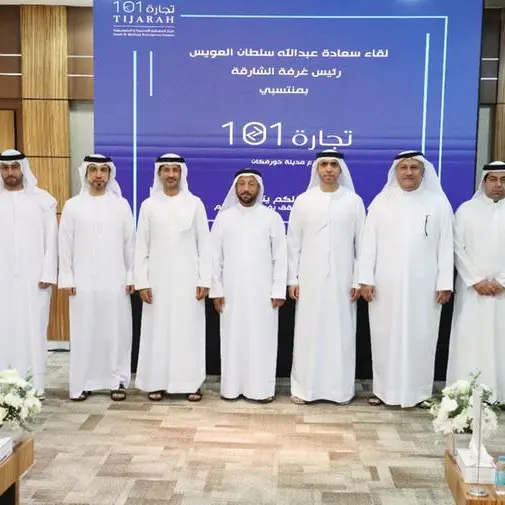
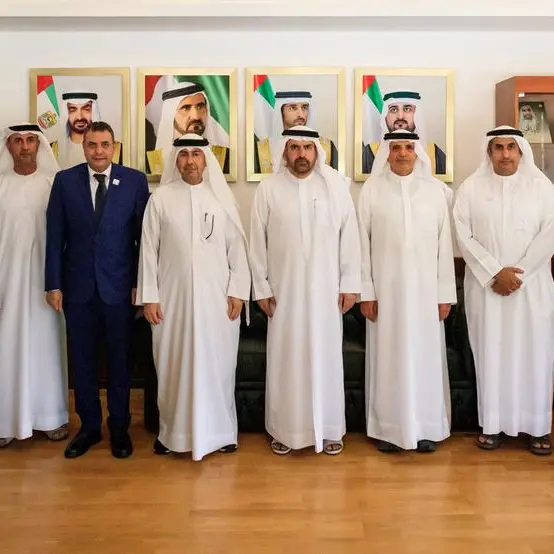
Sharjaah: Sectoral Business Groups operating under the Sharjah Chamber of Commerce and Industry (SCCI) affirmed that the emirate’s economy is advancing a resilient and sustainable growth model, underpinned by a comprehensive development strategy and a robust economic framework capable of navigating regional and global changes.
They praised Sharjah’s strategic role in supporting the business environment through a flexible legislative framework and advanced logistics capabilities, driving investor confidence and accelerating growth across priority sectors.
Sectoral Business Groups emphasised that business continuity in the emirate is driven by a long-term strategic framework centered on economic diversification, effective public-private partnerships, and business continuity investment in modern infrastructure and business-support services. This model has fostered a resilient economic ecosystem capable of converting challenges into growth opportunities, strengthening corporate competitiveness, and supporting sustainable performance across sectors.
In this context, Mustafa Mohammed Al Hosani, Head of Foodstuff Trade and Industry Sector Business Group, stated that the UAE has positioned food security as a strategic priority, supported by long-term planning and a well-defined governance model integrating public and private sector roles.
He added that the UAE has diversified its import sources through a multi-supplier policy spanning Asia, Europe, Africa, and Latin America, alongside flexible trade agreements, which have strengthened supply chain resilience. He noted that targeted investments in domestic production and advanced agri-tech solutions, including hydroponics, vertical farming, aquaculture, and livestock, have strengthened self-sufficiency and supply stability for essential commodities.
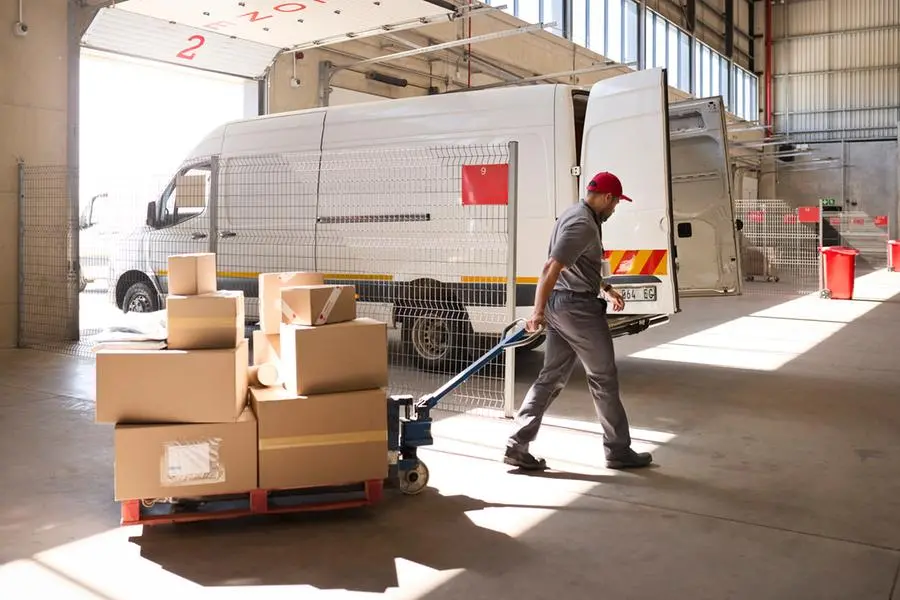
Al Hosani explained that the UAE’s advanced logistics and storage infrastructure —comprising advanced ports, cold chain infrastructure, data-driven strategic reserves, and efficient transportation systems—has played a critical role in ensuring uninterrupted food supply, price stability, and sustained market confidence.
He further stressed that strong public-private coordination, involving key stakeholders including major retailers, global suppliers, and local manufacturers, has enabled a cohesive and agile response to evolving supply chain challenges.
Meanwhile, Saeed Ghanem Al Suwaidi, Head of the Real Estate Sector Group, said that supportive policies including streamlined licensing processes and flexible solutions for developers and investors, have supported uninterrupted project execution.
He noted that this integrated ecosystem has strengthened the sector’s ability to navigate challenges and transform them into growth opportunities, positively reflecting on the stability of the emirate’s real estate market.
Al Suwaidi emphasised that diversified financing channels in Sharjah, including local banks, investment entities, and strategic partnerships, have reduced concentration risk and enhanced financial resilience within the real estate sector.
He added that supply chain flexibility and multi-sourcing strategies at both local and regional levels have ensured uninterrupted construction progress amid global challenges and disruptions. This approach has enabled developers to optimise cost management and adhere to project timelines, reinforcing both investor and buyer confidence in the market.
For his part, Fadi Musharafieh, Head of the Hotels Sector Group, stated that that the hospitality sector has adopted flexible operational strategies centered on cost optimisation without affecting service quality, alongside investments in talent development and digital transformation to elevate guest experience. He stressed that these efforts have enabled the sector to maintain premium hospitality standards while maintaining responsiveness and operational agility in a dynamic market environment.
Musharafieh highlighted the rollout of strategic initiatives aimed at boosting domestic tourism and strengthening Sharjah’s appeal and market positioning.
These included flexible hospitality packages and value-added offerings tailored to residents and families, emphasising integrated experiences across accommodation, entertainment, and food and beverage (F&B). He further noted the implementation of focused marketing campaigns showcasing Sharjah’s cultural, heritage, and natural strengths to drive visitor engagement and destination appeal.
In his remarks, Mohamed Ali Al- Hammadi, Head of the Law Firms Sector Group, stated that innovation-driven initiatives and increased judicial specialisation have significantly enhanced the legal services landscape. These efforts have accelerated dispute resolution in commercial and investment cases, improved service quality, and strengthened capabilities to address emerging economic challenges.
He further noted that law firms have expanded into specialised practice areas, including digital economy, intellectual property, and advanced commercial contracts, aligning with the evolving demands of a fast-growing business environment.
Meanwhile, Lalu Samuel, Head of the Industries Sector Group, said, “Sharjah continues to stand strong as the industrial backbone of the UAE. As the Sharjah reinforces its position as the nation’s industrial strong hold, its advanced infrastructure, strategic location, and unwavering government support ensure that the business environment remains stable, resilient, and forward-looking.
“Even in challenging times, the confidence of the business community is strengthened by the leadership’s vision, robust policies, and commitment to sustainable growth. Sharjah remains a place where industries thrive, investments are protected, and opportunities continue to expand. Together, the business community moves forward with confidence, resilience, and a shared belief in a strong and prosperous future,” he added.
Khaled Batarfi, Head of Used car trade Sector Business Group, said that the resilience of the business ecosystem and the robustness of logistics infrastructure have been key enablers of sustained economic activity, including the used car trading sector.
He pointed to targeted measures such as strengthening land transport networks to optimise distribution efficiency, leveraging Sharjah’s strategically located logistics gateways, and maintaining continuous coordination and adaptability, all of which have supported operational continuity and reinforced market stability.
Hesham El-Din Youssef, Head of Hotel Apartment Sector Business Group, stated that the sector has witnessed a notable transformation in service delivery, with a focus on enhancing guest experience while achieving high levels of operational efficiency.
“The sector has adopted advanced digital solutions to streamline booking and payment processes and introduced flexible packages tailored to diverse customer segments. Health and safety standards have been significantly strengthened, contributing to increased guest confidence and higher occupancy rates,” he added.
For further information, please contact:
- Ali Elgendy
Misbar Communications
ali@misbar-me.com
Ahmad Aldwairi
Misbar Communications
ahmad.aldwairi@misbar-me.com