PHOTO
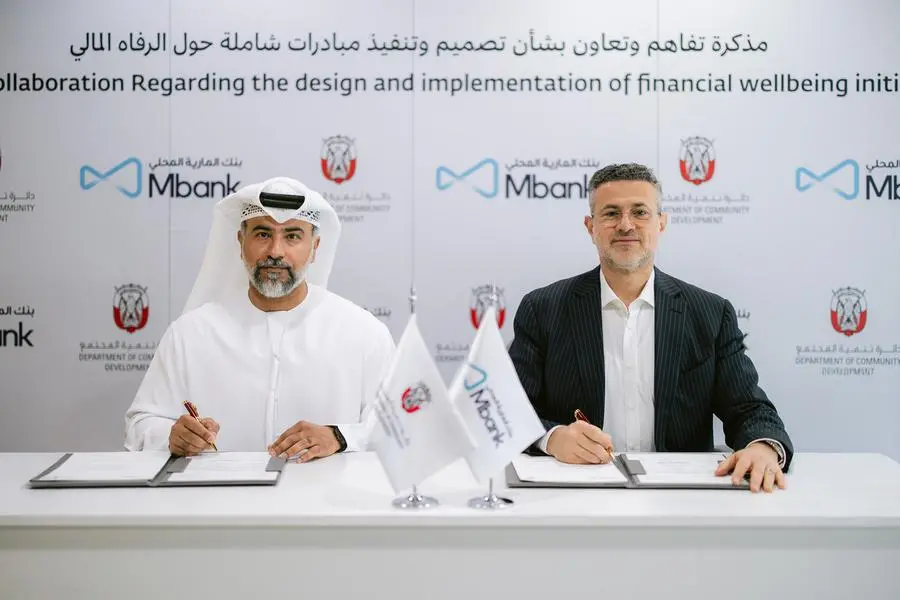
UAE, Abu Dhabi: In line with a series of qualitative initiatives aligned with the UAE’s Year of Family across the coming year, the Abu Dhabi Department of Community Development (DCD) has today announced the signing of a Memorandum of Understanding (MoU) with Al Maryah Community Bank (Mbank) aimed at enhancing the financial well-being of individuals and families, supporting social stability, and contributing to improved quality of life across the emirate.
Setting out a clear platform for co-operation on the design and development of initiatives that enhance financial wellbeing, the MoU will also seek to raise awareness and embed such practices to enable long-term financial stability for families and the wider community. Within the agreement, focus was also drawn on aligning partnership efforts for the exchange of expertise, in order to support the ongoing development of sustainable, measurable initiatives.
For its part, DCD will be responsible for designing the initiatives and ensuring their inclusivity and alignment with the applicable legislation and policies in the Emirate. This includes developing a comprehensive framework for monitoring, evaluating, and reporting on the social impact of these initiatives, as well as guiding the research agenda to support evidence-based policymaking and the design of priority programmes. The partnership also encompasses knowledge exchange and capacity building in line with community needs and the Emirate’s priorities.
In turn, Mbank’s contribution will extend to providing the resources and technical expertise required to jointly design financial wellbeing programmes, ensuring their scalability and sustainability.
In addition, the bank will lead awareness campaigns and community activities to raise awareness and encourage participation in financial empowerment initiatives. This includes providing supportive financial tools such as budgeting tools, savings products, and financial literacy learning modules, as well as digital platforms and specialised expertise that build capacity and facilitate programme implementation. The bank will also offer logistical and technical support for pilot programmes and related community-based interventions.
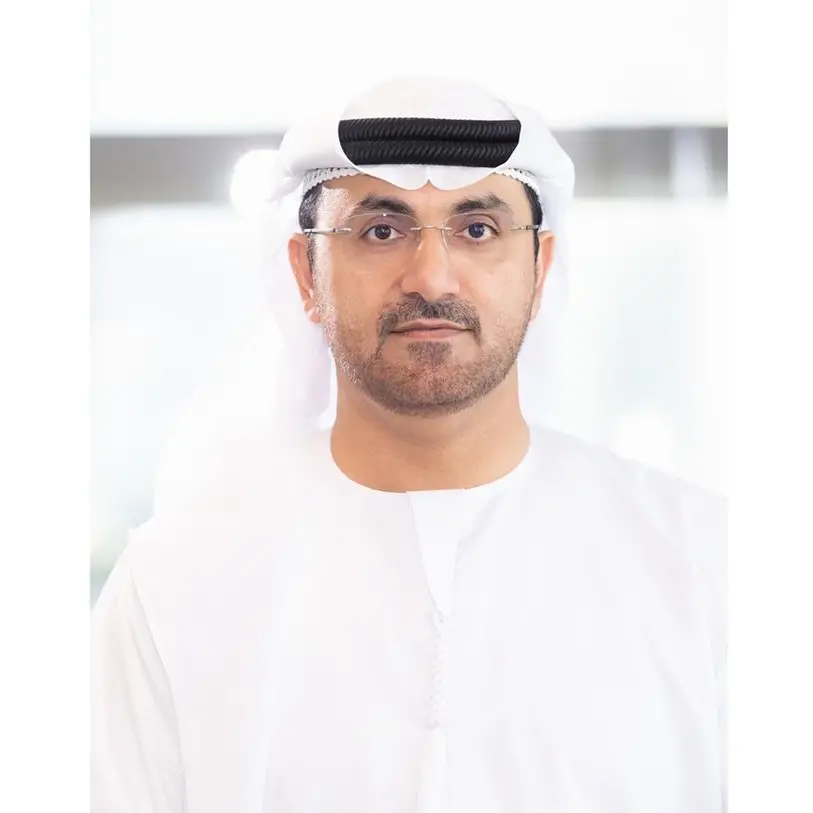
H.E. Mohamed Helal Al Balooshi, Executive Director of the Community Engagement and Empowerment Sector at DCD, said: “The signing of this MoU reflects the DCD’s commitment to strengthening an ecosystem of community empowerment through qualitative initiatives that address community member needs and supports family stability and quality of life.”
“In conjunction with the UAE’s Year of the Family, we believe that financial awareness and planning represent a strategic enabler for strengthening stability and cohesion across the emirate – embedding concepts of financial and economic resilience among individuals and families.”
His Excellency added that Mbank is a perfect national partner for supporting community-oriented priorities, noting that the partnership serves as a model for effective collaboration between the government and the financial sector to achieve sustainable social impact.
Mohammed Wassim Khayata, CEO of Mbank, said: “This MoU reflects our shared belief that financial wellbeing is foundational to family stability and long-term community prosperity. At Mbank, we see our role as extending beyond traditional banking to actively enable practical financial awareness, responsible planning, and accessible tools that empower individuals and families at every stage of life. In alignment with the UAE’s Year of the Family, this partnership with DCD allows us to translate policy ambition into meaningful, measurable impact across the community.”
About Department of Community Development (DCD)
The Department of Community Development (DCD) was established in 2018 to regulate the social sector in the Emirate of Abu Dhabi. As such, the Department’s mandate is to advance community development by fostering an environment of empowered individuals and cohesive families.
The DCD plays a pivotal role in formulating policies, strategies, and standards that enhance the efficiency and impact of social services. It adopts a scientific, evidence-based approach grounded in research, surveys, and comprehensive analysis of social data. Through collaboration with partner institutions across the public and private sectors, it maintains active engagement with community members, ensuring its programmes and initiatives are responsive to the real needs of all segments of society.
Guided by its vision to ensure a dignified life for all, the Department designs innovative solutions to address priority challenges and promotes social awareness and civic participation. This approach reinforces social cohesion, nurtures a strong sense of belonging, and contributes to inclusive and sustainable community development.