PHOTO
Off-plan offices, logistics hubs, and community retail remain key focus areas as both domestic and international investors refine their strategies in response to evolving demand and market conditions
Dubai, UAE: Backed by over two centuries of global real estate expertise and a strong regional footprint, Chestertons continues to play a trusted advisory role in Dubai’s commercial property market. Combining international perspective with deep local insight, the firm has released its latest outlook on investor behaviour and development trends expected to shape commercial real estate in 2026. In a sector that’s constantly evolving, these findings empower investors to make informed decisions, grounded in Chestertons’ real market understanding.
A Stable Regulatory Landscape
Chestertons’ market research suggests that the regulatory environment in 2026 will remain supportive of commercial activity without causing a significant shift in overall investment volumes. Recent updates to commercial law are set to enhance operational flexibility by allowing companies to re-domicile more easily between free zones, mainland jurisdictions, and across different emirates. While most commercial licences continue to require a physical office presence, demand for office space is therefore expected to remain steady.
Where Investor Interest Is Concentrating
Investor attention in 2026 is expected to remain focused on three core sectors: off-plan office spaces, warehousing and logistics assets, and community-based retail centres. Off-plan offices continue to attract strong interest due to a shortage of high-quality stock, encouraging both investors and occupiers to secure space early.
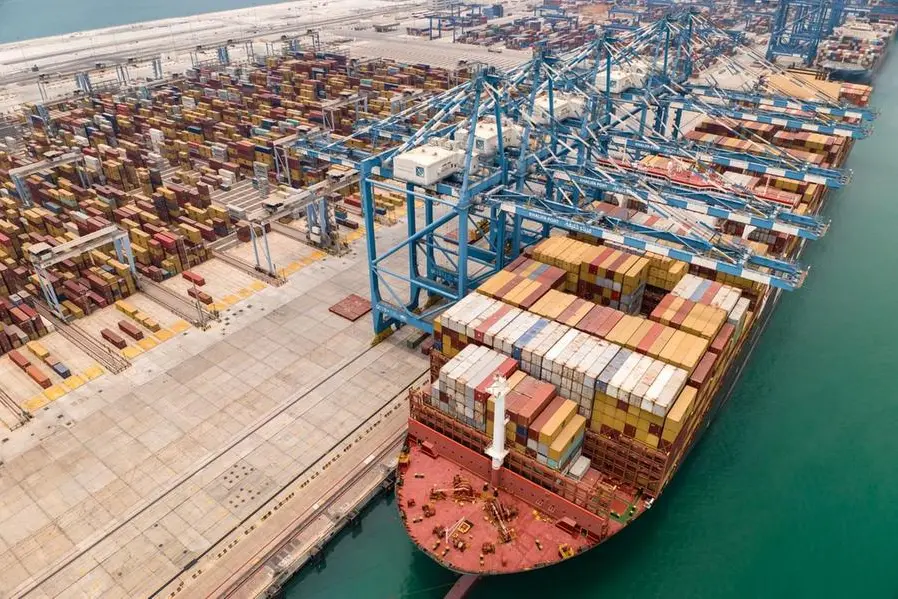
Logistics and warehousing assets are being driven by Dubai’s role as a regional and global gateway for trade and imports, supported by world-class ports, free zones, and integrated transport links that connect to markets across Europe, Asia, and Africa. With Dubai’s location allowing businesses to reach over two-thirds of the world’s population within roughly an eight-hour flight and its key hubs handling millions of tonnes of cargo annually, demand for storage, distribution, and supply-chain infrastructure remains robust. Continued population growth across the wider region further fuels consumption and makes logistics real estate a resilient option for investors.
Meanwhile, retail investment is shifting towards neighbourhood centres within residential communities, where footfall is driven by local demand rather than destination shopping. Chestertons also noted that demand for mixed-use buildings with shared residential infrastructure remains comparatively limited, as corporate occupiers continue to favour dedicated commercial environments with independent access, parking, and amenities designed specifically for business use.
Beyond traditional business districts, several areas are gaining momentum as commercial investment destinations. Business Bay, Jumeirah Lake Towers, and Barsha Heights continue to attract office demand, supported by accessibility and established infrastructure. At the same time, emerging communities such as Jumeirah Village Circle and Arjan are witnessing their first dedicated commercial launches.
Elsewhere, industrial zones including Dubai Investment Park, Dubai Industrial City, National Industrial Park, and Al Quoz remain key hubs for logistics and warehousing. Improved infrastructure and proximity to growing residential populations are driving decentralisation, shifting activity away from the historic central business districts.
Domestic and International Investor Behaviour
Looking ahead, the real estate advisory firm predicts a clear distinction between domestic and international investor behaviour in the coming year. Overseas investors are likely to remain active in office and retail assets, attracted by relatively hands-off ownership models and simpler entry strategies. These assets offer predictable leasing structures and easier management from abroad.
On the other hand, domestic investors are expected to dominate the warehousing and logistics sector. These developments often involve land acquisition, longer execution cycles, and more hands-on oversight, making them better suited to investors with local market knowledge and operational capacity.
Balancing Rental Yield and Capital Growth
Investor strategies in 2026 are increasingly balanced, with equal emphasis placed on income stability and long-term appreciation. Rather than prioritising one objective over the other, decision-making is centred around yield sustainability, rental growth potential, and asset resilience over time.
Commenting on these insights, Mohamed Mussa, Executive Director of Chestertons MENA, shared, ‘Dubai’s commercial market is entering a more measured phase, where clarity and selectivity matter more than speed. Investors are prioritising quality, location, and long-term performance, which is a healthy sign for the market overall.’
As Dubai’s commercial real estate landscape continues to evolve, Chestertons remains focused on providing clear, grounded advice that reflects both global best practice and local realities. Through detailed market analysis and an advisory-led approach, the firm empowers investors to pursue sustainable growth with confidence in 2026 and the years ahead.