PHOTO
Egypt is targeting sustainable annual economic growth of between 6% and 7%, driven primarily by increased investment rates, particularly foreign direct investment (FDI), Minister of Investment and Foreign Trade Hassan El-Khatib said.
During a meeting with a delegation from Moody’s Investors Service, including Associate Managing Director for Sovereign Ratings in the Middle East and Africa at Moody’s Ratings Matt Robinson and Vice President and Senior Risk Manager for Sovereign Ratings Alexander Perjessy, El-Khatib reviewed the country’s economic and institutional reform agenda.
The meeting focused on recent developments in the Egyptian economy and the reforms being implemented to strengthen monetary, fiscal, and investment frameworks.
El-Khatib said the government is implementing a comprehensive restructuring of economic policies, with monetary policy at the core of the reform program.
He noted that recent decisions have led to a tangible improvement in net foreign assets and foreign reserves, which have reached unprecedented levels.
He added that the government has adopted a strategic and realistic approach to subsidy management and energy pricing to improve efficiency and address long-standing economic distortions.
These measures, he said, are supporting economic balance and strengthening the economy’s ability to absorb inflationary pressures, laying the groundwork for sustainable and balanced growth in the medium term.
On fiscal policy, El-Khatib said a fundamental transformation has taken place in cooperation with the Ministry of Finance, centered on simplifying the tax system and building a relationship of trust with the business community.
He pointed out that tax revenues rose by 35% in a single year, the highest growth rate since 2005, describing this as clear evidence of the success of policies aimed at improving communication with the private sector and encouraging investment.
Foreign trade, the minister said, is a top government priority. Customs clearance times have been reduced from around 16 days to nearly five days, with a target of reaching two days.
These measures have generated annual savings estimated at billions of dollars.
He added that operating ports seven days a week instead of five, alongside extended working hours, has doubled operational efficiency and reduced costs for investors.
The government has also removed a large number of non-tariff barriers that had accumulated over the years, in full coordination with the private sector as part of what he described as a genuine partnership.
El-Khatib reaffirmed Egypt’s full commitment to World Trade Organization rules, noting the country’s capacity to address global challenges and enhance the competitiveness of its national economy.
He said Egypt has begun implementing technical safeguard measures on certain products in line with international standards and has successfully completed more than 20 safeguard measures in coordination with relevant authorities.
These steps, he said, reflect the state’s commitment to protecting national industry while maintaining an open and attractive investment environment.
Improving the business climate and advancing digital transformation are central pillars of the reform agenda, according to El-Khatib.
He explained that investors previously had to deal with about 41 entities to obtain 460 licenses and services, with procedures taking an average of 24 months.
The government aims to cut this timeframe to less than 90 days by re-engineering procedures and launching a unified digital platform.
The platform will include an investment map detailing available land, targeted activities, and required approvals, allowing projects to move directly into implementation.
The minister said Egypt’s strategic location connecting regional and international markets positions it as a key investment hub for energy, infrastructure, data centers, and modern industries.
Developing these sectors, he added, supports competitiveness, attracts foreign investment, and promotes balanced industrial growth.
Average annual foreign direct investment currently stands at around $12 billion, a figure the government believes can be doubled through ongoing reforms.
El-Khatib noted that investment volume, rather than traditional indicators alone, will be the primary measure of economic growth in the coming period.
Tourism was also highlighted as a major growth driver. El-Khatib said the investment map under preparation will cover areas including the North Coast and the Red Sea, clearly identifying needs for hotels and distinctive tourism projects to expand capacity and maximize returns from tourism assets.
He added that managing state-owned assets is a key component of the reform program, stressing that the sovereign wealth fund is focused on maximizing returns rather than simply holding assets.
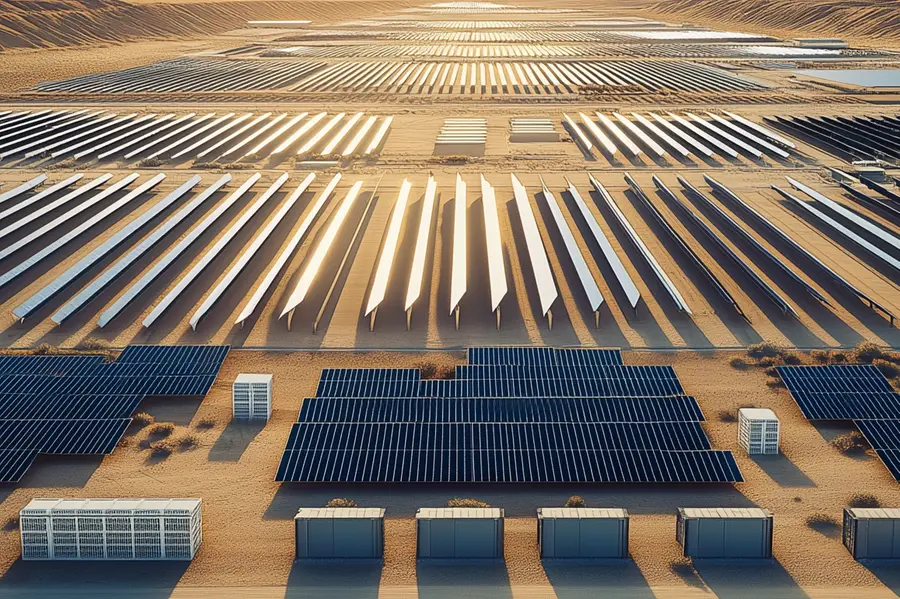
El-Khatib outlined a strategic vision built around five pillars: energy, with a focus on renewables and data centers; semiconductors to support microtechnology; infrastructure to attract investors and ensure efficient project operations; modern operational models for project management; and applications and artificial intelligence to advance data use and modern technologies while integrating all pillars.
All of these reforms, El-Khatib said, are aimed at empowering the private sector, creating a competitive investment environment, and positioning Egypt as a regional hub for investment and services, leveraging its geographic location and strengths in energy, infrastructure, and technology.
He said this approach is expected to lead to a tangible increase in foreign investment inflows in the coming years.
For their part, Moody’s representatives expressed appreciation for the progress achieved.
Robinson highlighted the importance of strengthening transparency and governance and improving the business environment as key factors in attracting foreign investment and boosting confidence in local markets.
Perjessy welcomed advances in subsidy reform, energy pricing, and the digital transformation of licensing procedures, noting that these steps support economic and fiscal sustainability and reflect Egypt’s commitment to balanced and sustainable growth over the medium term.
© 2026 All Rights Reserved Arab Finance For Information Technology Provided by SyndiGate Media Inc. (Syndigate.info).