PHOTO
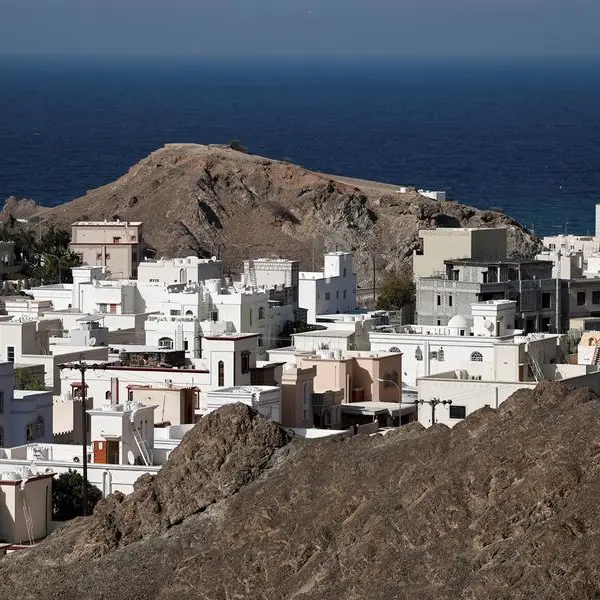
MUSCAT: Sustained economic expansion and the proliferation of large-scale industrial and commercial projects are expected to drive robust electricity demand growth across the Sultanate of Oman over the 2025–2031 period, according to projections outlined by the state electricity procurer, Nama Power and Water Procurement Company.
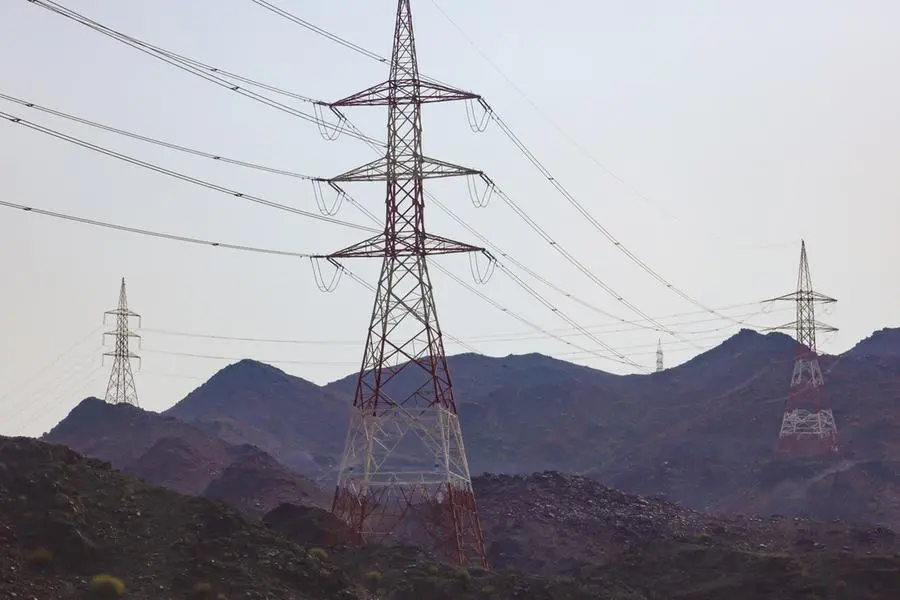
Within the Main Interconnected System (MIS) — the national grid covering north and central Oman (excluding Musandam Governorate) — peak demand is forecast to rise at an average annual rate of 7.2%, increasing from 7,503 MW in 2024 to 12,198 MW by 2031. In the Dhofar Power System (DPS), peak demand is projected to grow at 9.1% annually, climbing from 801 MW in 2024 to 1,469 MW by 2031.
“This significant growth is driven by robust GDP expansion, major infrastructure developments and the anticipated connection of large-scale projects across priority sectors under the national economic diversification agenda”, the company noted in its planning report.
To accommodate the rising demand, Oman’s power system will undergo substantial expansion between 2025 and 2031. The procurement strategy prioritises a balanced generation mix comprising utility-scale renewable energy, energy storage and high-efficiency thermal capacity, aligned with the objectives of Oman Vision 2040. The goal is to ensure long-term capacity adequacy, fuel efficiency and energy security.
In line with the national energy transition and net-zero ambitions, new clean energy projects are expected to help achieve the target of sourcing 30% of electricity from renewables by 2030. The existing project pipeline suggests that this goal is within reach — and may potentially be exceeded — as solar and wind developments accelerate.
By 2030, wind energy is projected to contribute 6.75% of generation and solar PV 16.16%, bringing combined renewable generation to 30%. Gas-fired plants would account for 53.46%. In 2031, solar’s share rises to 23.26%, lifting overall renewable generation to 39%, while gas-based generation declines to 48.52%.
Installed renewable capacity is expected to reach 9,087 MW by 2030 and 12,182 MW by 2031, reflecting rapid deployment of solar, wind and waste-to-energy (WTE) projects. Major developments in the pipeline include Ibri III Solar (500 MW); JBB Wind (105 MW); Duqm II Wind (300 MW); Mahout Wind (800 MW); Al Kamil Solar (400 MW); Marsa Solar (280 MW); Dhofar II Wind (132 MW); Sadah Wind (120 MW); Sinaw Solar (400 MW); a 1,000 MW Solar IPP in 2029; Shaleem Wind (100 MW); Al Jazir Wind (100 MW); and Duqm III Wind (300 MW).
Further capacity growth is expected in 2030–2031 with six large Solar PV IPPs (each 1,000 MW), along with the 95 MW Barka Waste-to-Energy project in 2031, broadening the renewable mix beyond solar and wind. Together, these investments underpin the sharp rise in installed renewable capacity.
A critical enabler of the energy transition is the 400 kV North–South Interconnect, which links Oman’s northern and central regions, including Al Duqm and Al Wusta Governorate. By Q4 2026, the interconnection is expected to extend to the Dhofar Power System, creating a unified national grid that facilitates power sharing and enhances system resilience.
2026 © All right reserved for Oman Establishment for Press, Publication and Advertising (OEPPA). Provided by SyndiGate Media Inc. (Syndigate.info).