PHOTO
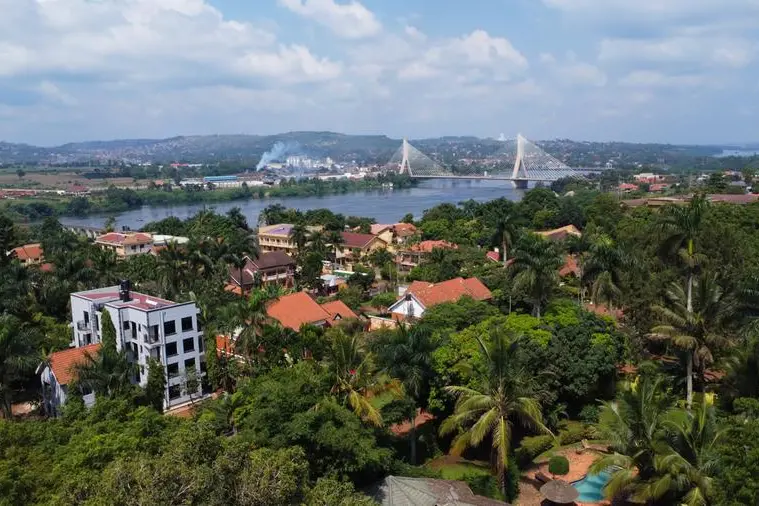
As Uganda enters week three of the fight against Ebola, efforts are being directed at misinformation as well. The country has registered 15 cases of the disease, with one death and at least 650 contacts being monitored.
As health authorities intensify surveillance, contact tracing, border screening and treatment, they have also strengthened lab capacity and increased public awareness drives.
With 12 patients admitted, including health workers, the country has also mobilised local and global partners to support containment measures.
Government officials say false information on social media and some international platforms has emerged as a major challenge in the efforts to contain the disease. The misinformation, it says, appears to be spreading faster than the virus.
The outbreak came as students were returning to school for the second term on May 25. Days into the term, rumours were rife that schools would be closed.
For many, it is a painful reminder of the Covid-19 days when learners in Uganda remained home for two years, the longest in the world.
Mr Alan Kasujja, the CEO of the Uganda Media Centre – a government communication agency – allayed the fears, saying schools had not been shut.
The Africa Centres for Disease Control and Prevention (Africa CDC) then released an update in which it combined Ebola statistics from Uganda and the DR Congo, reporting 263 confirmed cases and 43 deaths.
Uganda felt the update was unfair and affected its standing in the fight against the disease, prompting Foreign Affairs Minister Adonia Ayebare to call the agency.“Today, I had a productive call with Dr Jean Kaseya, head of Africa CDC, and he agreed to correct the errors in the report,” Mr Ayebare said.
Mr Ayebare had complained about the statistics: “Your reporting is becoming more problematic than Ebola itself. Just to remind you that Uganda is a sovereign country,” he told Africa CDC.
© Copyright 2026 Nation Media Group. All Rights Reserved. Provided by SyndiGate Media Inc. (Syndigate.info).