PHOTO
Africa’s airline industry is entering a new phase of competition as carriers intensify efforts to capture a larger share of the continent’s regional air travel market through fleet expansion, network growth and strategic partnerships.
Driven by the implementation of the Single African Air Transport Market (SAATM), improving economic integration under the African Continental Free Trade Area (AfCFTA) and rising demand for business and leisure travel, airlines across Africa are strengthening their regional footprints in a bid to emerge as the continent’s preferred connectors.
The renewed expansion drive reflects a broader industry strategy aimed at unlocking the enormous potential of intra-African air transport by improving connectivity, facilitating trade and stimulating tourism across the continent.
Next month, Nigeria’s Air Peace is expected to commence scheduled services from Lagos to Douala, Libreville, Bamako and Conakry, marking one of the carrier’s most significant regional network expansions in recent years.
Explaining the importance of the new routes, Air Peace management, through its Corporate Communications Lead and official spokesperson, Efe Osifo-Whiskey, stated that the expansion reinforces its commitment to improving connectivity across Africa.
“The launch of these new regional services underscores our commitment to connecting Africa through safe, reliable and affordable air transportation. By expanding our footprint across West and Central Africa, we are not only providing more travel options for our customers but also facilitating commerce, tourism, investment and regional integration,” the airline stated.
Across the continent, several airlines are pursuing similar expansion strategies.
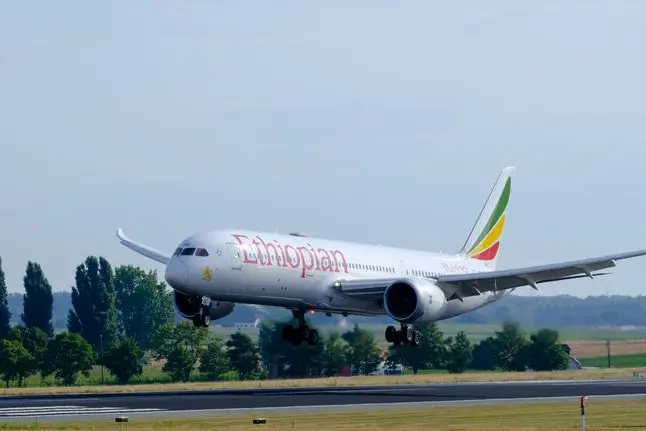
Ethiopian Airlines continues to deepen its dominance by increasing frequencies across West, Central and Southern Africa while evaluating the acquisition of about 25 regional aircraft to strengthen its short-haul and intra-African operations. The carrier is also consolidating its multi-hub strategy through equity investments in partner airlines across Africa.
Kenya Airways is expanding regional connectivity through its Nairobi hub by adding frequencies within East and Central Africa while reinforcing services to West Africa alongside ongoing fleet optimisation initiatives.
Likewise, RwandAir is strengthening Kigali’s position as a regional aviation hub by introducing additional destinations across West, Central and Southern Africa.
Based in Lomé, ASKY Airlines continues to extend its network into underserved West and Central African markets. The airline recently expanded its fleet with the delivery of a new Boeing 737 MAX 8, increasing its fleet size to 16 aircraft and enhancing its capacity to serve regional destinations.
Nigeria’s United Nigeria Airlines is also positioning itself for regional expansion following recent fleet growth and its membership of the African Airlines Association.
The airline’s Chief Commercial Officer, Mr. Adedayo Olawuyi, said the carrier plans to launch additional regional and international routes, with West and Central Africa forming the cornerstone of its expansion strategy.
According to him, United Nigeria Airlines intends to increase its regional presence with planned services to Monrovia, Banjul, Dakar, Abidjan and Conakry, leveraging its newly acquired aircraft.
Other Nigerian carriers are equally taking advantage of emerging regional opportunities. Ibom Air recently commenced international operations on the Uyo–Accra route, while ValueJet has expanded its regional network with scheduled Lagos–Accra services.
Commenting on the milestone, Ibom Air’s Managing Director and Chief Executive Officer, Mr. George Uriesi, said the airline was pleased to commence international operations from Uyo while successfully facilitating seamless passenger connections between Abuja and Accra through its Uyo hub.
Analysts believe the aggressive network expansion by African airlines underscores the growing impact of SAATM, which is gradually dismantling market access barriers and fostering greater competition across the continent.
According to them, as more carriers deploy additional aircraft, launch new routes and strengthen regional partnerships, competition for passenger traffic is expected to intensify, ultimately improving connectivity, lowering travel barriers and accelerating Africa’s economic integration.
Copyright © 2026 Nigerian Tribune Provided by SyndiGate Media Inc. (Syndigate.info).