PHOTO
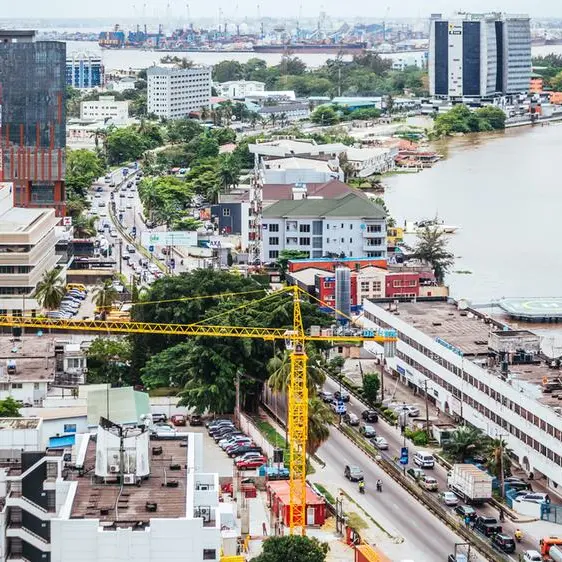
The Lagos State Government has announced plans to launch an ambitious Industrial Policy (2025–2030) aimed at positioning the state as Africa’s leading industrial hub, with a strong focus on small businesses, infrastructure development and sector-wide transformation.
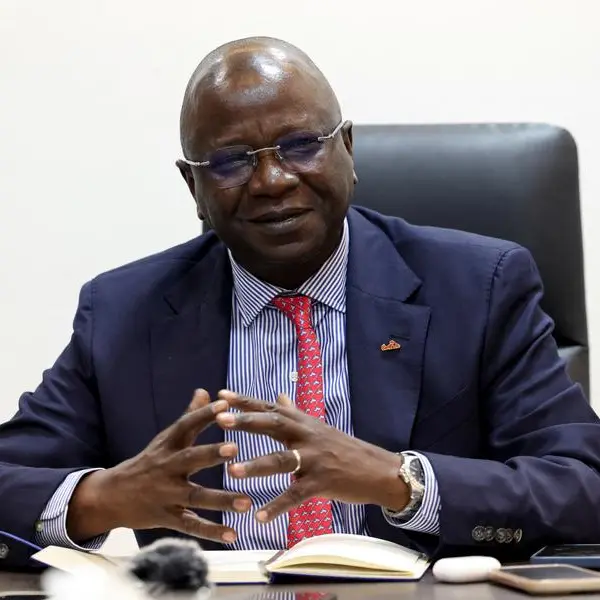
Speaking at the Bagauda Kaltho Press Centre, Secretariat, Alausa, Ikeja, Lagos, during a press conference on Monday, the Commissioner for Commerce, Cooperatives, Trade and Investment, Folashade Ambrose-Medebem, said the policy represents the most comprehensive industrial agenda ever undertaken by the state.
She disclosed that the official launch will take place on April 30 at the Lagos Continental Hotel, Victoria Island, marking what she described as a “defining moment” in the state’s economic trajectory.
According to the commissioner, the policy is designed to consolidate Lagos’ position as Nigeria’s economic nerve centre while accelerating industrial growth across key sectors including agro-processing, light manufacturing, healthcare, creative industries, digital trade and the blue economy.
Ambrose-Medebem said the initiative is being driven under the leadership of Governor Babajide Olusola Sanwo-Olu, whose administration’s THEMES Plus agenda prioritises economic expansion through structured planning and public-private collaboration.
“Lagos has decided not just to participate in global industrialisation trends, but to shape them,” she said.
A central pillar of the policy, she disclosed, is support for small and medium-sized enterprises (SMEs), which the government described as the backbone of the state’s economy.
The commissioner announced a N10 billion Access to Finance scheme for MSMEs through cooperatives, implemented in partnership with the Bank of Industry and Sterling Bank.
The initiative includes a N5 billion matching fund from the state government, with disbursement expected to begin within weeks.
She said the programme is the largest cooperative-based MSME financing intervention in the ministry’s history.
The government is also advancing the development of a 44-unit Light Industrial Park in Imota, designed to provide affordable and fully serviced production spaces for manufacturers. The facility is nearing completion and will be commissioned shortly.
The commissioner noted that the policy addresses longstanding constraints to industrial growth, including inadequate infrastructure, regulatory bottlenecks and supply chain inefficiencies.
She stated that the government will prioritise improvements in power supply, transportation networks and industrial clusters, while streamlining business registration and regulatory processes.
She added that innovation and human capital development will play a critical role, with plans to align skills training programmes with industry demands and strengthen partnerships with academic and research institutions.
Environmental sustainability is another core component of the policy, with commitments to cleaner production methods, responsible resource management and adherence to global environmental standards.
To attract international investment, the state will host the Invest in Lagos Summit 3.0 on June 8 and 9 at Eko Hotels and Suites, in collaboration with the Commonwealth Enterprise and Investment Council.
The summit is expected to serve as a major platform for presenting the industrial policy to global investors and securing investment commitments.
The commissioner emphasised that the policy is already being implemented through ongoing programmes, noting that it is “moving from paper to practice.”
She called on the media to play an active role in tracking progress and holding the government accountable to its commitments.
“The success of this policy will not only be measured in economic data, but also in public scrutiny and engagement,” she said.
Copyright © 2026 Nigerian Tribune Provided by SyndiGate Media Inc. (Syndigate.info).