PHOTO
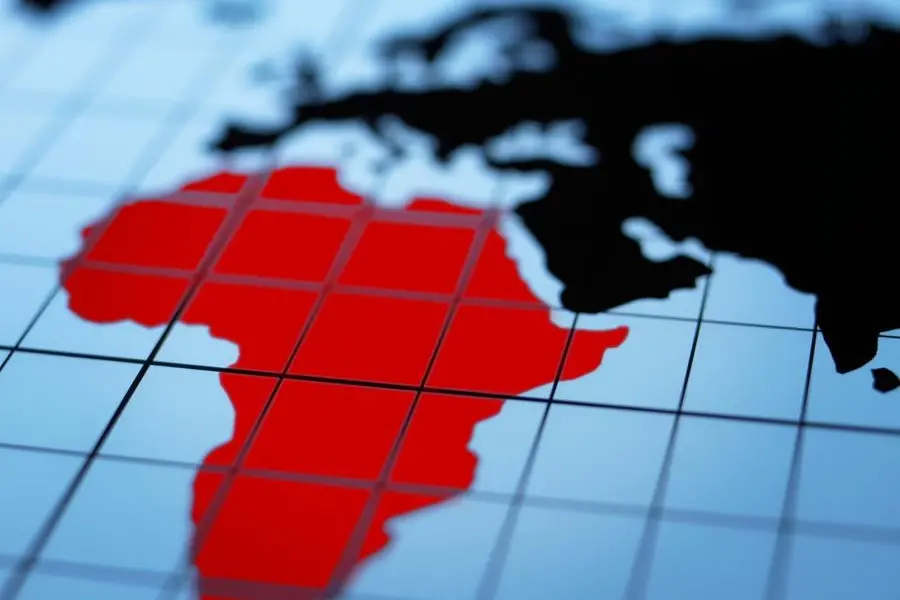
The blockade of Gulf and Red Sea routes as a result of ongoing war in the Middle East has placed Africa at the centre of the world’s commercial map as continental ports and airports benefit from the conflict.
The Cape of Good Hope, which the Suez Canal rendered largely redundant as a commercial route in 1869, has returned as the planet’s most important maritime detour.
Since the closure of the Strait of Hormuz to commercial shipping after the breakout of war in Iran on February 28, 2026 reinforced by renewed Houthi-linked risk in the Bab el-Mandeb Strait and cutting off the Red Sea simultaneously, the world’s major container lines, Maersk, CMA CGM, Hapag-Lloyd, and MSC suspended Suez Canal transits and rerouted their fleets around the southern tip of Africa.
The detour to the Cape adds roughly 4,500 nautical miles and 10-14 days to the Asia-Europe rotations, consuming about a million dollars more in fuel per round voyage and increasing demand of chandling services (the supply of provisions, spares, and stores for the crew and vessel), bunkering, crew provisioning, maintenance, and other logistics support.
In East Africa, Kenya and Tanzania have experienced influx of vessels with Lamu, one of the moribund port benefiting from the conflict turning to be a transshipment with more than 13,000 vehicles which were destined to Jebel Ali port which has been a regional transshipment hub for vehicles.
Lamu port, which was commissioned on May 20, 2021, characterised by deep-water berths is reaping from interruptions at UAE’s Jebel Ali port, which has been a regional transshipment hub for vehicles.
Kenya Ports Authority (KPA) said such developments highlight Lamu’s growing role in regional trade, noting that the port’s deep-water berths and large turning basin allow it to accommodate ultra-large vessels that cannot easily dock at the Port of Mombasa. KPA managing director Capt William Ruto said the vessel this week indicates how Kenya is prepared in handling maritime crises.“Conflicts come with both negative and positive impacts, we are experiencing a lot of traffic more so transshipment in Lamu and Mombasa. We are prepared though constrained in space,” Capt Ruto said.
Mombasa and Dar es Salaam ports have not been left behind, picking up trade from vessels handling Gulf-to-East-Africa cargo that was previously routing through Hormuz.
With Hormuz shut, Gulf ports such as Jebel Ali and Khor Fakkan, which serve as transhipment hubs for East African cargo, are isolated by geography, potentially redirecting some of that cargo flow through East African ports directly.
Mombasa is, in the next 14 days, expected to receive 52 ships, compared with 40, while Dar es Salaam has increased its number of vessels from 27 in two weeks to 38.
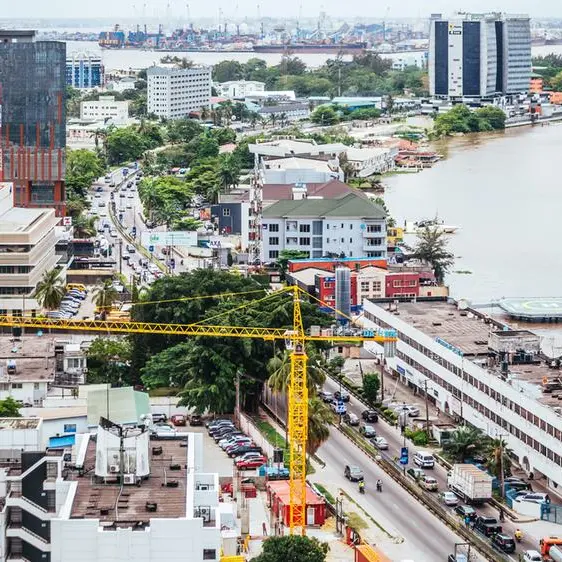
The UN Conference on Trade and Development (Unctad) has, however, noted that both Mombasa and Dar lack the operational sophistication and handling capacity to manage large volumes of major container vessels efficiently, limiting their ability to fully capitalise on the disruption. In Nigeria, the Dangote refinery has started exporting fuel to help African nations cope with rising costs and shortages.
It announced it had sold 12 consignments totalling 456,000 tonnes to African countries, including Cote d’Ivoire, Cameroon, Tanzania, Ghana, and Togo since last month.
The refinery said it had received unprecedented orders from Africa and beyond. Kenya and South Africa reportedly approached Dangote in mid-March seeking to secure fuel supplies to cushion against potential shortages.
Reports indicate that the refinery is facing a surge in demand, producing 650,000 barrels per day, but reserving nearly 75 percent for the domestic market. This leaves limited fuel available for export, forcing countries to compete for remaining allocations.
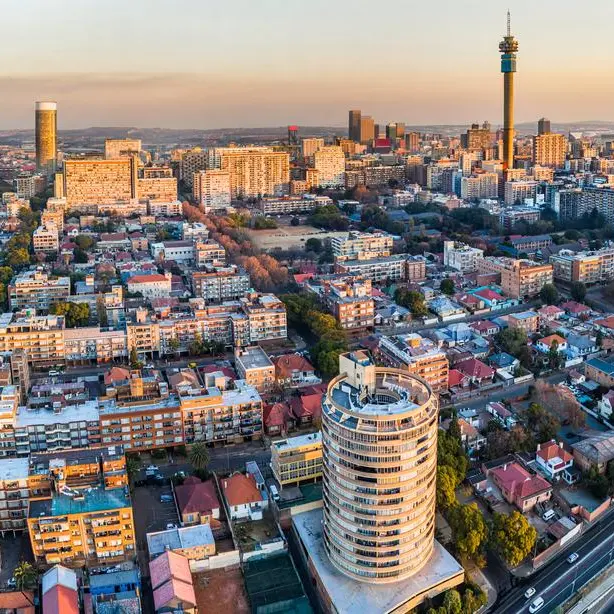
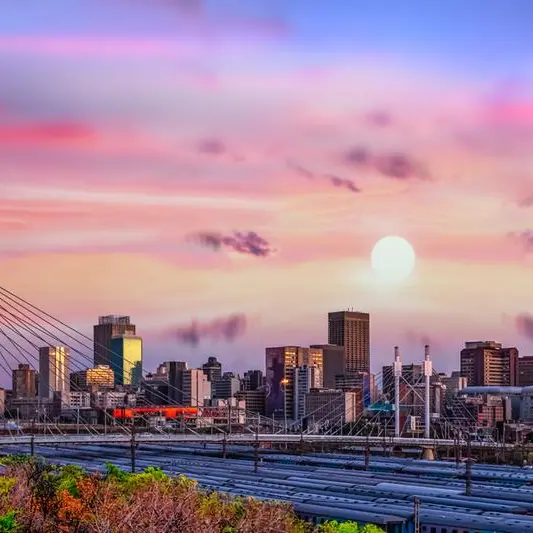
South Africa Durban’s port also registered a spike in vessel traffic. Container ships are moored in Cape Town harbour in scenes reminiscent of the era before the Suez Canal existed.
South Africa, sitting on the world’s largest known platinum deposits and significant gold reserves, benefits from every ratchet upward in geopolitical risk premium. The Iran war, running concurrently with the Russia-Ukraine conflict and instability in Gaza, has created compounding safe-haven demand that is lifting precious metal prices precisely when South African producers are positioned to supply them.
South Africa’s ports benefit most from the very crisis that is ravaging its import economy. Port operators, bunkering services, cold chain facilities serving provisioning needs, and maritime logistics firms are on the right side of the ledger.
© Copyright 2026 Nation Media Group. All Rights Reserved. Provided by SyndiGate Media Inc. (Syndigate.info).