PHOTO
On February 3, the US launched “Project Vault” - a $12 billion strategic critical minerals reserve backed by Boeing, GE Vernova, and General Motors. Weeks earlier, Washington moved to secure a major Congolese lithium stake for a US firm.
China processes roughly 70 percent of the world’s critical minerals. The EU and Gulf states are locking in long-term offtake agreements.
Meanwhile, in Addis Ababa, African heads of state concluded the 39th AU Summit with a commitment to strengthen domestic financial architecture - including through the New African Financial Architecture framework aimed at mobilising African capital for African development.
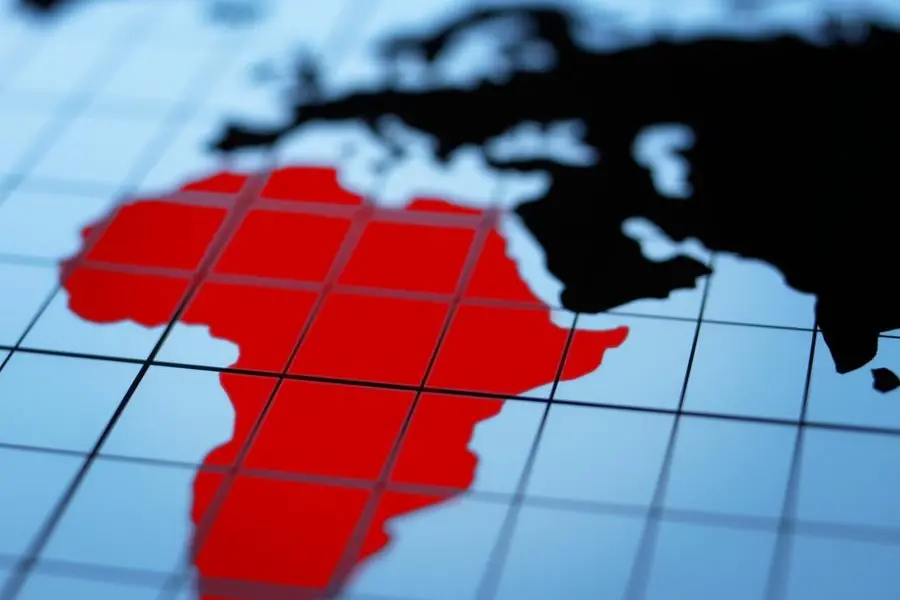
These two moments frame the central question of African political economy in 2026: Will Africa own its transformation, or merely host it?Africa controls nearly 30 percent of the world’s known critical mineral reserves. Yet the companies that process these minerals are largely foreign. The banks that finance extraction are foreign. The asset managers that hold the equity are foreign.
We extract. Others accumulate.
A sovereign wealth fund changes that equation. It is a state-owned investment vehicle that transforms temporary revenues into long-term national assets. It separates political spending cycles from strategic capital accumulation. In plain language: it turns windfalls into ownership.
The big point is this: Sovereign wealth funds are not about saving money. They are about shifting power.
This is not theoretical. It is unfolding in real time. The global scramble for critical minerals is intensifying. Strategic reserves are being built and processing capacity locked in for decades.
If Africa remains merely a supplier of raw inputs, we will again watch others compound returns on assets extracted from our soil — just as we did with gold and oil before. But this outcome is not inevitable. Norway’s oil fund - now worth over $2.2 trillion - transformed finite petroleum revenues into enduring national wealth.
Botswana’s Pula Fund turned diamond revenues into fiscal resilience. Across the continent, 36 African countries now operate sovereign wealth funds, though few are capitalised at levels proportionate to the mineral transition under way.
Guinea is launching a $1 billion fund backed by Simandou iron ore revenues. These are building blocks of financial sovereignty.
The AU’s commitment in Addis signals recognition that without domestic capital buffers, equity stakes, and institutional savings, sovereignty remains incomplete.
This is where political economy becomes real. Sovereign wealth funds must be capitalised. That can happen through defined shares of mineral royalties, profit-sharing arrangements, equity participation in projects, budget surpluses, or carefully structured borrowing.
Each path carries tension. Mining companies fear cost escalation. Ministries fear fiscal rigidity. Politicians fear loss of discretion. Citizens fear corruption.
These are not trivial concerns. A poorly governed sovereign wealth fund is worse than none at all. That is precisely why architecture matters: clear deposit and withdrawal rules, independent boards with fiduciary responsibility, transparency standards, parliamentary oversight, and insulation from short-term political interference.
The choice is not between perfection and paralysis. It is between institutional design and continued vulnerability.
The Addis decision must now move from declaration to design. Three actions are urgent. First, resource revenues must be ring-fenced: a defined percentage of mineral receipts should automatically capitalise national funds before entering general expenditure, codified in law.
Third, countries should coordinate regionally through the AU, pooling capacity and capital for strategic investments in processing and logistics. Without these steps, sovereign wealth funds risk becoming symbolic. With them, they become structural.
Sovereign wealth funds cannot compensate for weak tax systems or corruption. Nor should such funds crowd out private investment.
A well-governed sovereign wealth fund signals seriousness, creates co-investment capacity, and crowds in private capital rather than repelling it.
Without mechanisms to accumulate and invest national capital, Africa remains permanently reactive - negotiating for aid when commodity prices fall and seeking debt restructuring when global interest rates rise.
A vault without a mine is just a room. But a mine without a fund is just a hole.
Maxwell Gomera is Unep Resident Representative for South Africa and Alvin Mosioma is the Associate Director for Climate Finance and Equity at the Open Society Foundation.
© Copyright 2026 Nation Media Group. All Rights Reserved. Provided by SyndiGate Media Inc. (Syndigate.info).