PHOTO
The United Nations on Tuesday cut its forecast for global economic growth, saying the Middle East crisis had reignited inflationary pressures and heightened uncertainty. A U.N. press release summarizing the mid-year update to the global body's World Economic Situation and Prospects said :
* Global GDP growth is forecast at 2.5% in 2026, compared with an estimated 3.0% in 2025, 0.2 percentage points below the January projection and well below pre-pandemic growth rates.
* A modest recovery is projected at 2.8% in 2027.
* Solid labor markets, resilient consumer demand, and AI-driven trade and investment are expected to provide support, but the downgrade underscores a further weakening of a subdued global outlook.
* Surge in energy prices has delivered windfall gains for energy companies, but intensified cost pressures for households and businesses.
* In developed economies, inflation is forecast to rise from 2.6 % in 2025 to 2.9% in 2026 and in developing economies from 4.2% to 5.2%.
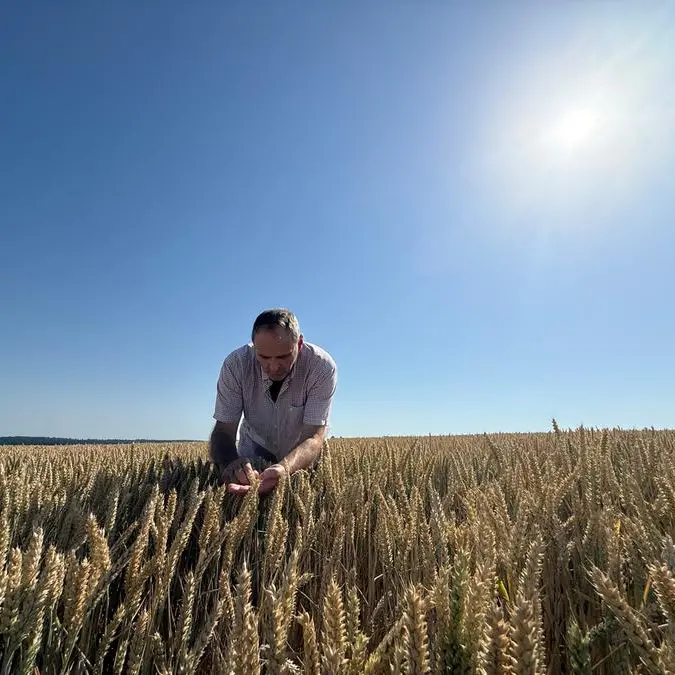
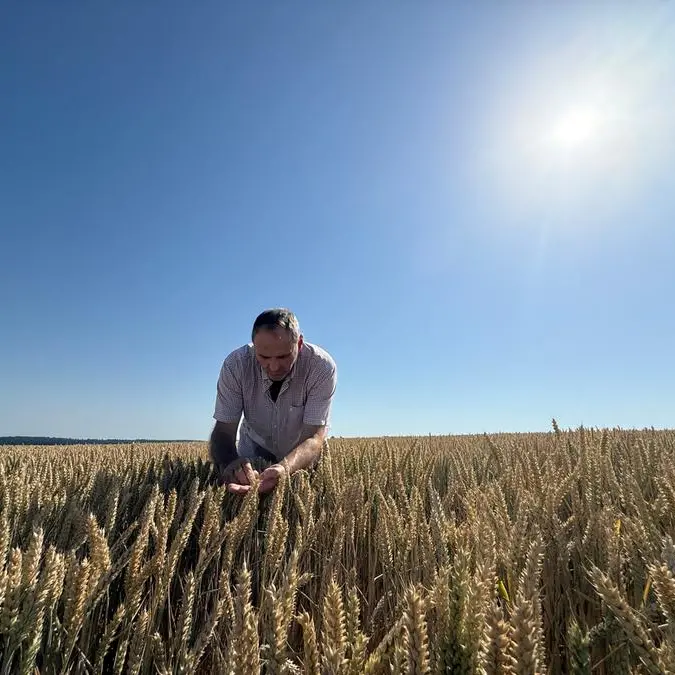
* Fertilizer supplies have been disrupted, pushing up costs, which could reduce crop yields, putting upward pressure on food prices.
* Global financial markets have remained resilient, but inflation expectations have driven short-term bond yields higher.
* The most severe damage is in Western Asia, where growth is projected to plunge from 3.6% to 1.4%, exacerbated by damage to infrastructure, trade, and tourism.
* The United States is expected to remain comparatively resilient, with growth projected at 2.0 % in 2026, broadly steady from 2025 on strong household demand and tech investment.
* Europe is more exposed, with reliance on imported energy straining households and businesses. EU growth is projected to slow from 1.5% to 1.1% and in Britain from 1.4% to 0.7%.
* China's diversified energy mix, sizable strategic reserves, and policy support are providing a buffer, with its growth projected to moderate from 5.0 % to 4.6 %.
* India's output is still expected to expand by 6.4 % against 7.5%.
* In Africa, average growth is projected to ease slightly, from 4.2% to 3.9%. (Reporting by David Brunnstrom; Editing by Sanjeev Miglani)