PHOTO
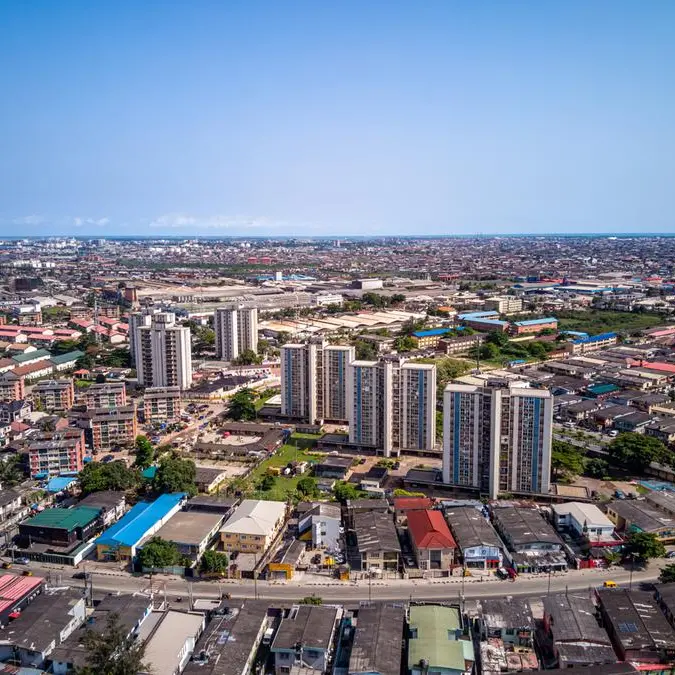
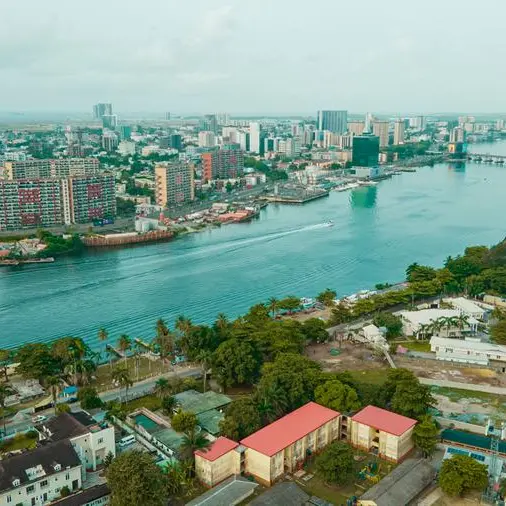
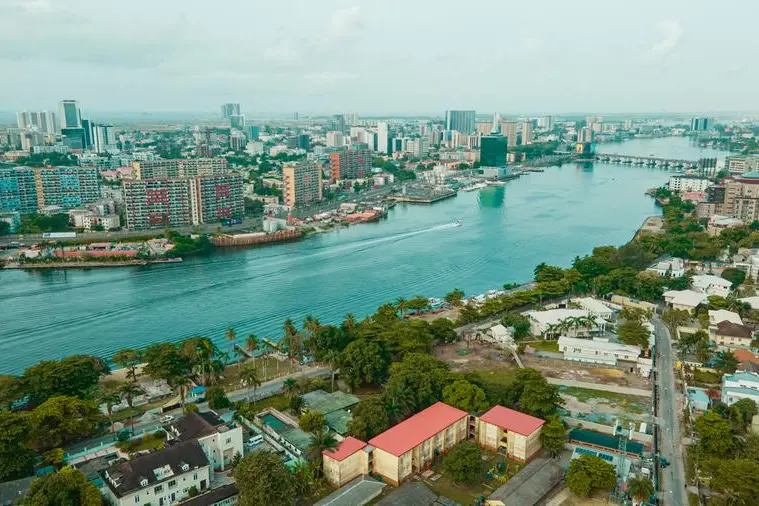
A delegation of highly specialised small and medium-sized enterprises from Germany’s state of Rhineland-Palatinate has arrived in Lagos in search of strategic business partnerships, marking what officials described as a new phase in German-Nigerian economic cooperation.
The companies, often referred to as “hidden champions” for their dominance in niche global markets, landed in Lagos on February 24 and will remain in the city until February 27 for a series of matchmaking engagements with Nigerian counterparts.
The visit, hosted by the German Consulate General in Lagos, began with a networking reception that brought together members of the delegation and prospective Nigerian partners. The firms represent diverse sectors, including winemaking, construction and machinery production.
Head of delegation, Dr. Joe Weingarten, who serves in the Ministry of Economic Affairs, Transport, Agriculture and Viniculture of Rhineland-Palatinate, introduced the participating companies and outlined their industrial strengths. He described Nigeria as an attractive market of strategic relevance, citing its large population and economic potential.
“Nigeria ranks among the fourth strongest trading partner of Rhineland-Palatinate in Africa,” Weingarten said, noting that only Egypt, Algeria and South Africa rank higher. He added that the current mission represents the first formal outreach by the German state to Nigeria.
In his welcome remarks, Consul General Daniel Krull expressed optimism about the trajectory of German-Nigerian economic relations. He said German businesses in Lagos are looking ahead to 2026 with confidence, pointing to Nigeria’s dynamic market and the resilience of bilateral trade ties.
“This delegation comes at the right moment,” Krull said, explaining that the engagement follows a bottom-up approach focused on stimulating business-to-business partnerships that can later evolve into deeper, long-term cooperation.
Weingarten, in a presentation on the economic profile of Rhineland-Palatinate, highlighted the state’s broad industrial base spanning chemicals, pharmaceuticals and medical innovation, machinery, automobile manufacturing and winemaking. He also underscored its leadership in renewable energy.
“About 60 per cent of our electricity production in our state, an industrialised state in Germany, is generated from renewable energy sources,” he said. “We think this offers a good perspective, also for a strong economy like Nigeria.”
Addressing questions on what distinguishes German renewable energy firms, Weingarten said their experience goes beyond generating wind and solar power. “It is about establishing systems that can ensure a reliable energy supply to the people 24/7,” he said.
From Germany’s perspective, officials stressed that Nigeria is no longer viewed solely as an export destination but as a strategic partner for mutually beneficial trade and production.
“For relations to be resilient, there must be positive results for both countries,” Weingarten said.
Krull also announced that additional German business delegations are scheduled to visit Nigeria in the first half of 2026, focusing on agro-food, ICT, solar energy storage, construction and infrastructure.
“We want to help write the next chapter,” he said.
Copyright © 2026 Nigerian Tribune Provided by SyndiGate Media Inc. (Syndigate.info).