PHOTO
India is assessing fuel-supply requests from its neighbours and will approve exports only if it has surplus volumes, the foreign ministry said on Wednesday, as the U.S.-Israeli war with Iran disrupts shipments through the Strait of Hormuz and sends global energy prices higher.
India, the world's fourth-largest refiner, supplies fuels to Bangladesh, Nepal, Bhutan, Sri Lanka and the Maldives. The country has been hit hard by the jump in crude prices, but unlike China it has not moved to ban exports of refined fuel.
India has adequate crude supplies and refined fuel stocks to meet local fuel demand, said Sujata Sharma, a joint secretary in the oil ministry.
"First, the domestic demand has to be met, and if there is a surplus, then a decision would be taken by an appropriate authority," Sharma said.
"We have received these requests, and we are examining those requests, keeping in mind our own requirements and availability," foreign ministry spokesperson Randhir Jaiswal said at a press conference.
HORMUZ DISRUPTION DEEPENS SUPPLY STRAIN
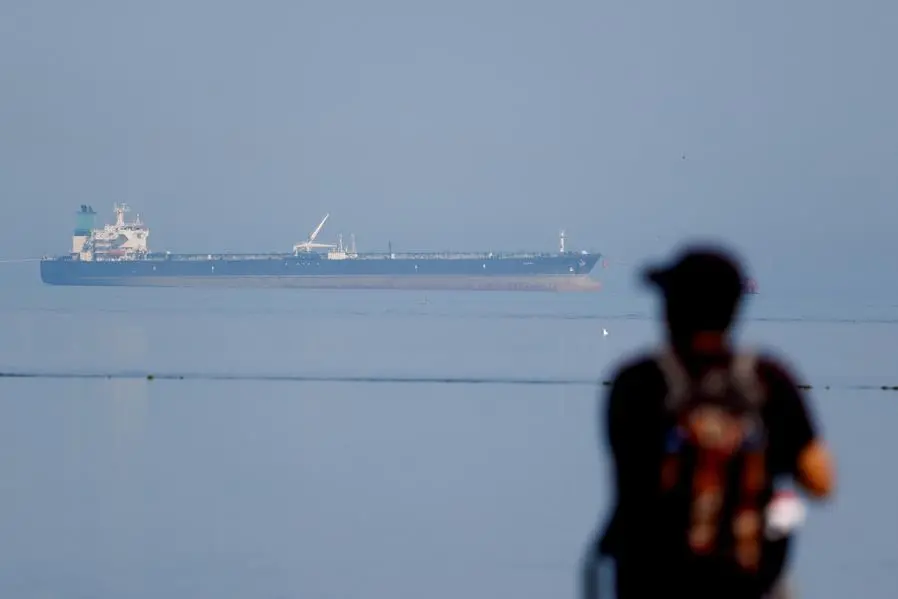
India's four oil vessels, carrying a total of 1.6 million metric tons of crude, six tankers carrying 320,000 tons of liquefied petroleum gas (LPG) and a ship with 200,000 tons of liquefied natural gas are stranded in the Strait of Hormuz, said Rajesh Kumar Sinha, special secretary in the shipping ministry.
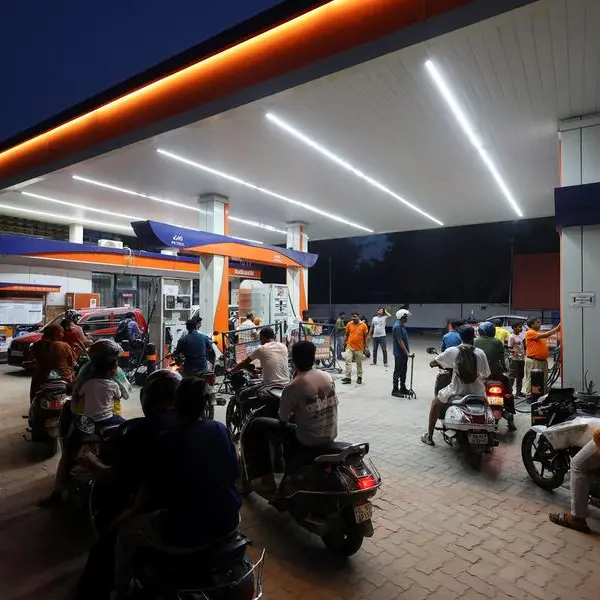
India is facing its worst cooking gas crisis in decades after shipments from the Strait of Hormuz are almost halted due to the war.
India was sourcing about more than 40% of its crude imports and 90% of its liquefied petroleum gas imports from the Middle East.
Indian refiners have bought millions of barrels of Russian oil floating on the high seas after Washington granted a 30-day sanctions waiver.
The federal government has invoked emergency powers ordering refiners to maximise production of LPG and cut sales to industry to avoid a shortage for its some 333 million homes with LPG connections.
India last week asked consumers to avoid panic buying of LPG cylinders and shift to piped natural gas where possible.
India has added 120,000 new piped gas connections in the last two weeks, Sharma said.
(Reporting by Nidhi Verma and Saurabh Sharma, Editing by Louise Heavens)