PHOTO
The Iran war, now in its third week, continued to weigh on investor sentiment in the UAE with analysts cautioning that an extended conflict could signal deeper economic uncertainty for Gulf markets.
“Markets falling over the past 8 to 10 days has made investors cautious in the region as they monitor ongoing tensions. A four-week conflict will not only pressure UAE markets but also impact GCC-wide markets,” Vijay Valecha, Chief Investor Officer at Century Financial, told Zawya.
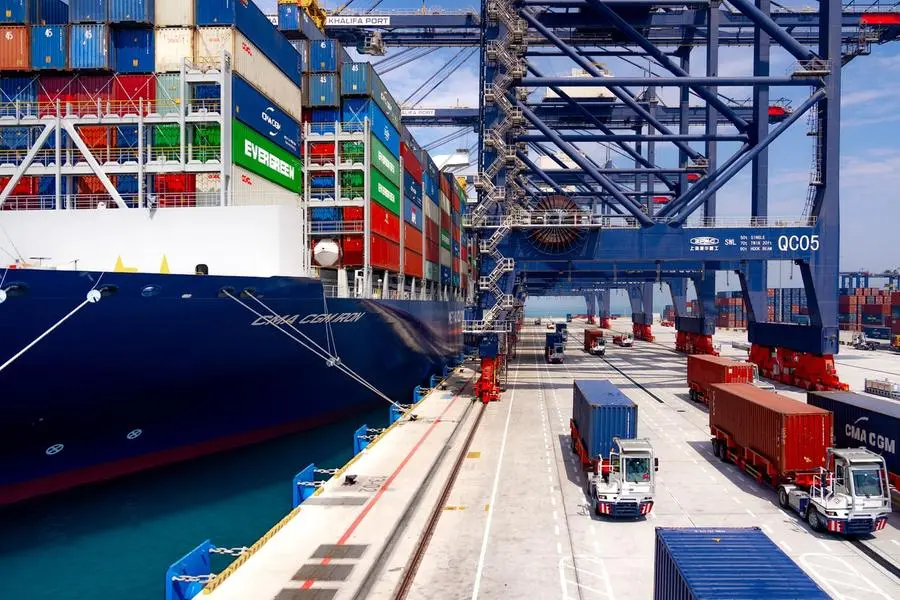
UAE markets remained in the red on Monday in early trade, with Ahmad Assiri, Research Strategist at Pepperstone pointing out that the ongoing geopolitical turmoil was prompting a reassessment of regional risk and a rise in volatility levels, leaving investment convictions closely tied to the stability of trade routes.
While analysts have stressed the UAE continues to remain in a “very robust position” based on its strong fiscal position, Valecha warned that in the event the ongoing conflict does not resolve in the upcoming weeks, equity markets could see a wider impact.
“Ongoing geopolitical risks may keep foreign investment low and market volatility high, more evidently in sectors tied to global trade and tourism, such as aviation, banking, and real estate,” he said.
Sector performance
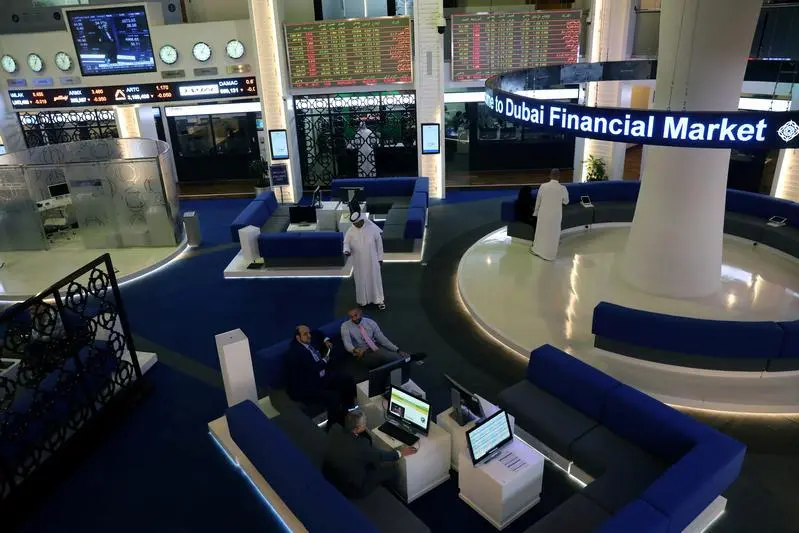
Since the conflict began, Dubai Financial Market (DFM) and the Abu Dhabi Securities Exchange (ADX) indices have fallen by almost 18% and 11%, respectively. The steepest declines have come from property and infrastructure stocks, which bore the brunt of the selling pressure. Emaar Development dropped 20.1%, while Emaar Properties fell 19.7%.
“Geopolitical risk always pushes investors toward capital preservation, and that’s exactly what we are seeing as the conflict drags on,” said Nigel Green, CEO of global financial advisory, deVere Group. “Volatility has increased and many investors are reducing exposure in the short term.”
While sectors such as materials and consumer discretionary have continued to show short gains, most other sectors moved have lower across DFM and ADX.
“Real estate is by far the worst-performing sector, declining 17.86%, reflecting heavy selling pressure in property developers,” Valecha said. “This was in line with the sharp declines seen in major names such as Emaar Development and Emaar Properties, which were among the biggest drags on the DFM index during the week.”
A similar pattern played out in Abu Dhabi, where most sectors ended the week in negative territory as investors remained cautious. Real estate stocks saw the sharpest drop, falling 21.4%, making it the weakest-performing sector on the ADX during the week. The decline reflected heavy selling pressure across property-related names.
Valecha attributed much of the sell-off across UAE equity markets as “largely a risk-driven reaction” rather than a fundamental repricing of the economy.
Valuations in focus
Analysts noted recent market volatility has also led to moderate declines in the valuations of some leading stocks, creating selective opportunities for long-term investors.
“In terms of valuations, pricing has been largely affected, opening the door for long term investors to search for opportunities particularly within the financial sector, where dips seem to be short lived and supported by the sector’s strong financials,” Assiri said.
According to Rania Gule, Senior Market Analyst at XS.com, MENA, many UAE-listed companies are still trading at relatively attractive valuation levels, with average price-to-earnings (P/E) ratios in some sectors ranging between 12 and 15 times, which remains competitive compared with several emerging markets.
“Over the long term, I expect investors to benefit from these valuation levels, particularly in companies with strong balance sheets and stable cash flows,” Gule said, adding: “With the continued expansion of infrastructure projects and steady economic growth in the UAE, many of these companies could experience gradual re-rating in the coming years, offering investors the potential for solid long-term returns.”
With the likelihood of the conflict entering a fourth week weighing on investors, analysts note UAE’s economic fundamentals remain strong, which should help limit deeper downside.
“If the conflict extends, the most likely outcome is continued volatility rather than a sustained sell-off,” Green said.
According to Valecha, in the event the ongoing conflict does not resolve in the upcoming weeks, UAE equity markets could remain cautious.
“Ongoing geopolitical risks may keep foreign investment low and market volatility high, more evidently in sectors tied to global trade and tourism, such as aviation, banking, and real estate,” he cautioned. “The scenario where this conflict goes on beyond six months may prove to be detrimental not just to the UAE but also to other nations across the Gulf region, especially since the region has interconnected financial markets and a high reliance on international capital flows. Prolonged instability could weigh on investor confidence in key regional financial centres, including Dubai, Abu Dhabi, Riyadh and Doha.”
(Reporting by Bindu Rai, editing by Seban Scaria)