PHOTO
SINGAPORE/LONDON: Oil prices surged on Monday as the U.S. moved to impose a blockade on Iranian shipping after the collapse of weekend peace talks, while the dollar rose and stocks and bonds fell in Asia ahead of the start of U.S earnings season later in the day.
The U.S. move, aimed at putting pressure on Tehran, leaves a fragile ceasefire hanging in the balance and no end in sight to the choke on Middle East energy exports - though the mood on trading floors leaned toward hoping for a resolution.
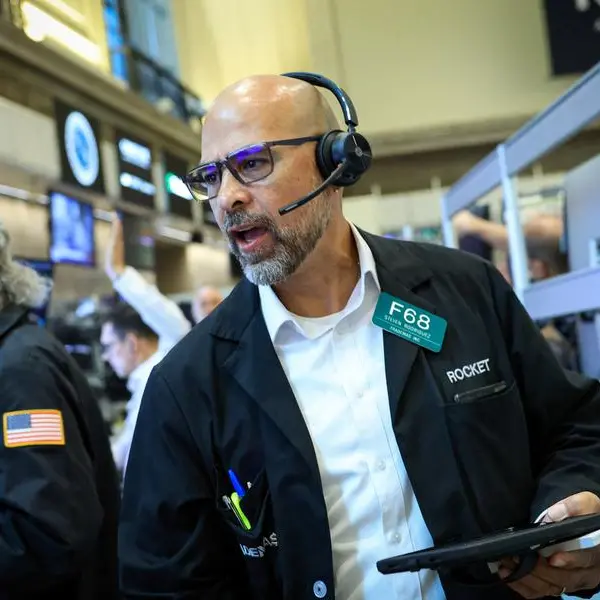
Brent crude futures were up 7.3% at $102 a barrel. S&P 500 futures were down 0.7% through the Asia morning and European futures fell 1.3%.
U.S. Treasuries and bonds around Asia traded lower, with Japan's benchmark 10-year yield hitting a 29-year high of 2.49%, though moves were relatively modest and took most assets to roughly where they sat before last week's ceasefire.
"The market is now largely back to conditions before the ceasefire, except now the U.S. will block the remaining up to (2 million barrels) Iranian-linked flows through the Strait of Hormuz as well," said MST Marquee analyst Saul Kavonic.
"The key remaining question is if the U.S. renews strikes on Iran, raising the risk of strikes on energy infrastructure across the region which could have a further lasting impact beyond the duration of the war."
The Wall Street Journal reported Trump and his advisers were weighing limited strikes on Iran, though there were no immediate reports of attacks in the Asia day.
Trump said on Sunday that the price of oil and gasoline may remain high into the midterm elections in the U.S. in November, a rare acknowledgement of the potential political fallout from the war.
DOLLAR HIGHER
The euro fell about 0.3% to $1.1687 and risk-sensitive currencies such as the Australian dollar slipped a little further.
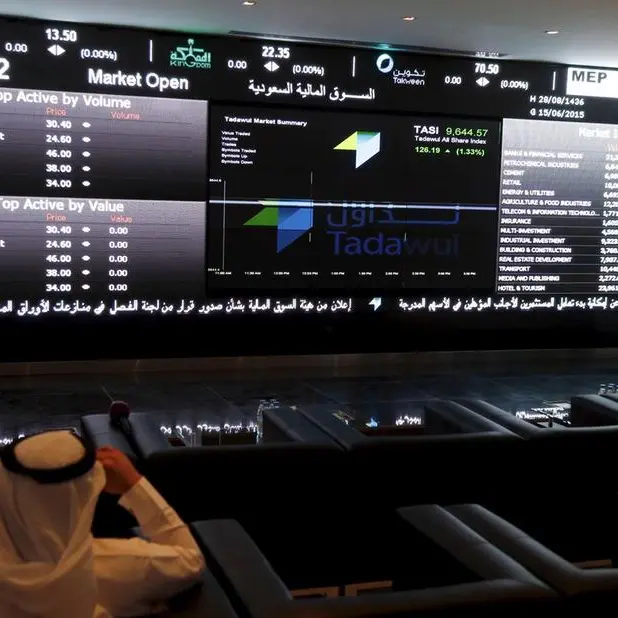
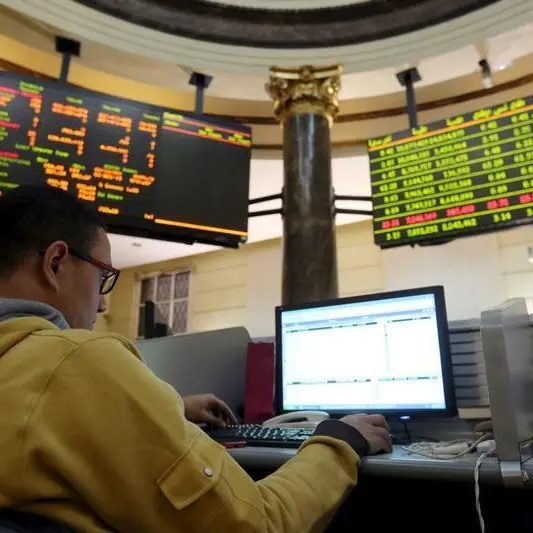
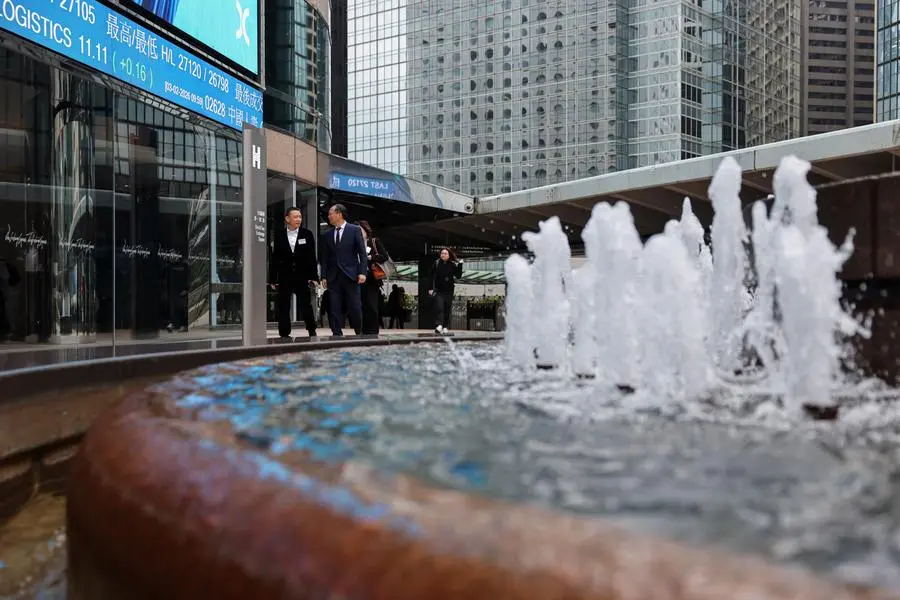
Equity benchmarks from Hong Kong to Tokyo, Seoul and Sydney dropped around 1% and MSCI's broadest index of Asian shares outside Japan fell 1%.
"The market is saying that it doesn’t believe Trump is going to strike more military assets or take over the Strait of Hormuz," said Russel Chesler, head of investments and capital markets at VanEck in Sydney.
However, he added, there were growing worries about inflation, which would intensify the longer the oil shock lasts.
"Even if the Strait (of Hormuz) is to reopen the flow of oil is going to be pretty slow so we're going to be stuck with high prices for some time," he said.
With inflation fears reviving, investors are now bracing for central banks, such as the European Central Bank and Bank of England, tilting towards raising rates in a sharp reversal from pre-war bets on rate cuts or a prolonged pause. In emerging markets the Hungarian forint was up sharply, scaling multi-year highs on the dollar and euro, after Hungary's veteran nationalist leader Viktor Orban lost power to an upstart centre-right coalition at Sunday's election. The result is likely to pave the way for European Union funding to flow to Hungary and Ukraine.
(Additional reporting by Scott Murdoch in Sydney; Editing by Vidya Ranganathan, Aurora Ellis, Deepa Babington, Shri Navaratnam and Kate Mayberry)