PHOTO
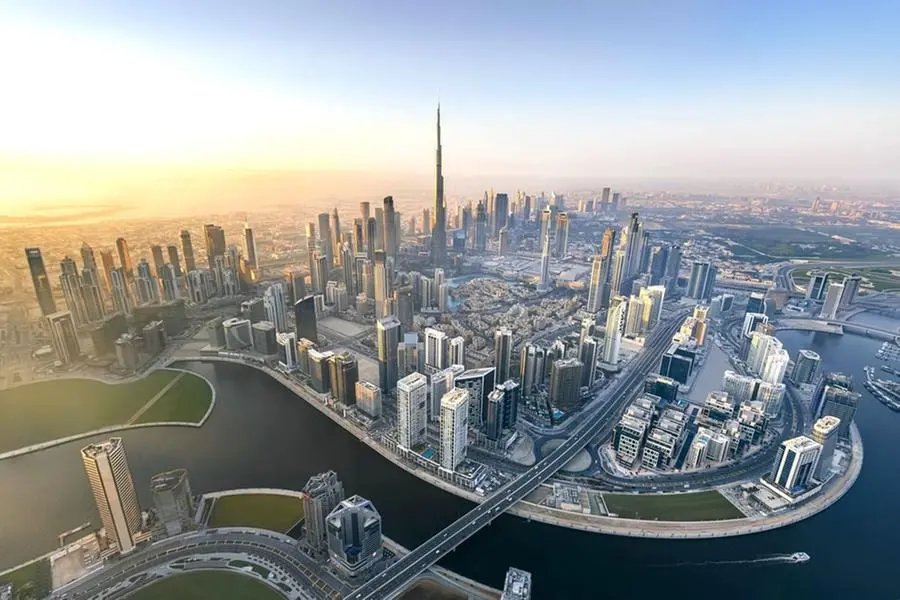
In his capacity as the Ruler of Dubai, His Highness Sheikh Mohammed bin Rashid Al Maktoum, Vice President and Prime Minister, has issued Law No. (4) of 2026 regulating the management and occupancy of shared housing in Dubai.
The provisions of the Law apply to private development zones and free zones, as well as to owners authorised to allocate their real estate units for shared housing and tenants residing in units designated for shared housing.
The Law also applies to establishments licensed to lease and manage real estate units on behalf of owners, or to lease units from owners for the purpose of subleasing them to tenants, including those operating in special development zones and free zones. It further applies to lease and management contracts concluded by owners or establishments with residents. Units designated for collective labour accommodation are excluded.
The Law regulates shared housing in Dubai, safeguarding the rights of owners and residents and ensuring safe and healthy living conditions. It also aims to prevent overcrowding and informal housing, address building and land use violations, promote fair rental practices, and support the stability and appearance of the emirate’s real estate market.
Under the Law, Dubai Municipality is responsible for overseeing shared housing in the emirate. The Municipality sets policies and strategic plans, establishes conditions for allocating units, including maximum occupancy, space per resident, and required shared facilities, and designates areas where shared housing is permitted.
These areas are determined based on urban planning considerations, population density, infrastructure, and the social character of neighbourhoods. Dubai Municipality also manages a unified digital platform to process permits, maintain records, and enable relevant authorities to access related data.
The Dubai Land Department (DLD) manages the electronic shared housing registry and links it to the unified digital platform of Dubai Municipality. DLD is responsible for determining the key data to be recorded in the registry and updating it as changes occur.
The department also specifies the information required in lease and management contracts, including landlord details, number of residents, unit information, and allocated space, with standardised templates available on its website.
DLD also ensures that establishments comply with the regulations governing the activity and coordinates with the licensing authority on all related matters. In addition, the department establishes and regularly updates a rent indicator for shared housing units based on their specifications.
The Law prohibits any person or entity from allocating a unit for shared housing without obtaining a permit. Permits are issued and renewed in accordance with rules set by the Director-General of Dubai Municipality in coordination with the Dubai Land Department and relevant authorities. Units must meet all technical requirements, including building standards, maximum occupancy limits, space per resident, and the provision of shared facilities.
Permits are valid for one year and may be renewed for similar periods. At the request of the owner, a two-year permit may be issued. Applications for renewal must be submitted at least 30 days before the permit expires.
According to the Law, only the owner or an authorised establishment may lease a shared housing unit. Tenants or other parties may not sublease any part of the unit. Leasing may be carried out directly by the owner, through an establishment managing the unit on the owner’s behalf, or by an establishment leasing the unit from the owner to sublease it to tenants. Units must comply with technical and safety standards, including building, health, fire, sanitation, security, and electrical requirements.
The Law also sets out the obligations of landlords and tenants, as well as rules governing the promotion and advertising of shared housing units.
Any person who violates the provisions of the Law or related decisions may be subject to fines ranging from AED500 to AED500,000. In the event of a repeated violation within one year, the fine will be doubled, up to a maximum of AED1 million.
The Dubai Land Department may also impose additional measures, including suspending the activity for up to six months, cancelling the permit, revoking the commercial licence, disconnecting public services until the violation is rectified, or ordering the eviction of units that fail to meet permit requirements.
Under the Law, the Dubai Rental Disputes Centre has exclusive jurisdiction to hear and resolve all disputes related to the rights and obligations set out in the Law and its related decisions. The Centre will consider such disputes in accordance with its established rules and procedures.
Owners of units used for shared housing, as well as establishments operating in Dubai, including those in private development zones and free zones, before the Law takes effect, must bring their units and operations into compliance within one year. The Director-General of Dubai Municipality may grant a one-time extension if required.
Any provision in other legislation that conflicts with this Law is annulled. The Law will take effect 180 days from the date of its publication in the Official Gazette.