Kuwait Petroleum Corporation (KPC) is asking some global funds bidding for a $7 billion stake in its oil pipeline network to recruit other investors to help consolidate bids, three sources familiar with the matter told Reuters.
This will also ensure smaller investors that have relationships with KPC can get involved, said the sources, who did not want to be identified publicly as they were not authorised to speak to the media.
The deal is part of a broader push by Gulf state oil companies and sovereign investors to raise funds from infrastructure assets and attract foreign capital, as they look to diversify away from oil and fund domestic investment plans.
Here are some key details:
Blackstone has emerged as a bidder in the KPC deal, the first time it has taken part in a wave of Gulf national oil company infrastructure deals that have attracted rivals like BlackRock and its Global Infrastructure Partners (GIP), as well as KKR and others.
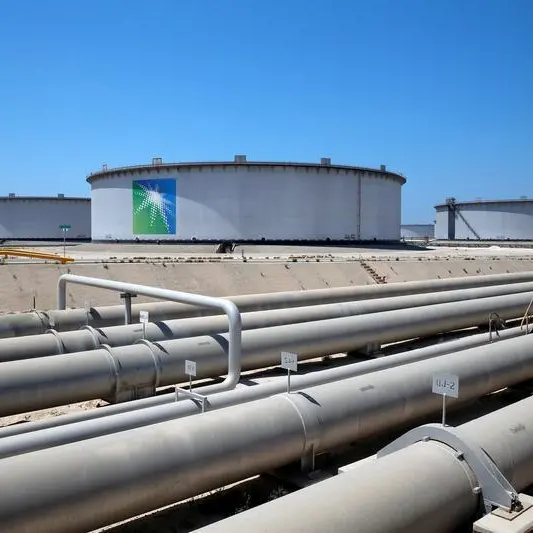
Saudi Aramco, Abu Dhabi's ADNOC and other regional energy companies have pursued similar asset strategies in recent years by opening pipelines, real estate and other holdings to private capital.
Saudi Aramco signed an $11 billion lease and leaseback deal for its Jafurah gas processing facilities with a consortium of funds managed by GIP in a deal that closed in October.
BlackRock's GIP, Brookfield, EIG Global Energy Partners, KKR and Apollo have also advanced to the next stage of the sales process, the sources said.
KPC, EIG, KKR, Apollo, Blackstone and Brookfield declined to comment. BlackRock did not reply to requests for comment.
The pipeline sale has lost bidders since the process began, with Macquarie dropping out of the race, while a financing package of around $6 billion is taking shape to support the eventual winner, Reuters has previously reported.
KPC launched the transaction in the early stages of the U.S.-Israeli war on Iran, a period marked by heightened investor caution over Gulf assets, underscoring Kuwait's intent to press ahead with its fundraising plans despite the geopolitical backdrop.
(Reporting by Hadeel Al Sayegh, Federico Maccioni and Yousef Saba in Dubai; Editing by Anousha Sakoui, Thomas Derpinghaus and Alexander Smith)