PHOTO
Capital, liquidity and asset quality at top UAE banks remain resilient, with the ceasefire between the US and Iran removing an immediate geopolitical overhang that had weighed on sentiment, valuations and foreign risk appetite, Dubai based financial services firm Al Ramz Capital said.
“Our portfolio analysis across large banks shows that direct conflict sensitive exposures, including real estate, hospitality, aviation, transport and trade finance, account for roughly 23%–27% of gross loans, which we view as manageable,” the firm said.
However, Al Ramz warned that second order effects pose a greater risk. Personal, consumer and retail mortgage portfolios could come under pressure if the conflict drags on, economic activity slows, employment weakens or real estate sentiment deteriorates.
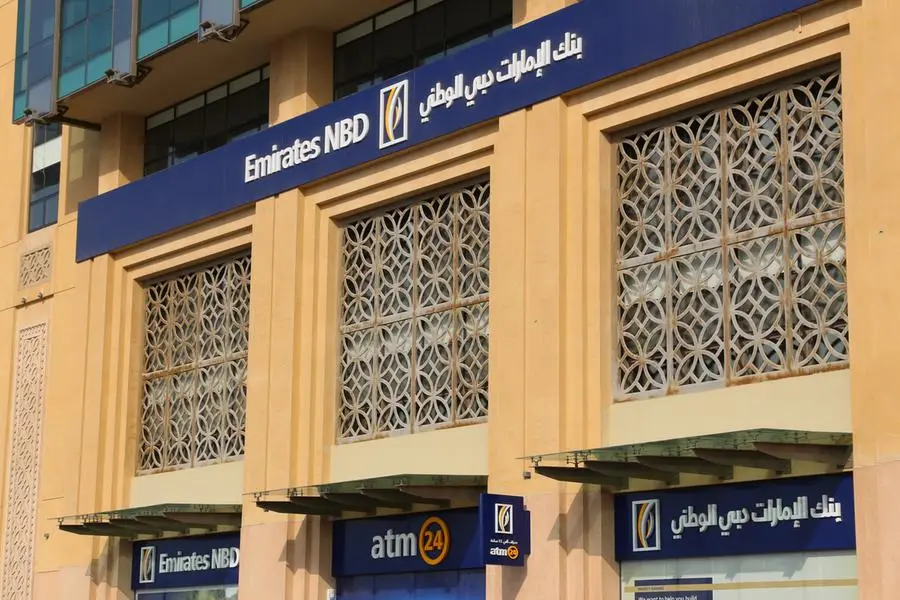
“We believe FAB and ADCB are better positioned, given their stronger government and public sector exposure of 16%–23% compared with 11% for ENBD,” the note said. “By contrast, ENBD, ADIB and DIB are more exposed to second order risks. ADIB is the most sensitive, given its high concentration in personal and home finance.”
Looking ahead, Al Ramz expects lending activity to remain broadly stable, with deposits holding up. Liquidity remains sufficient following the Central Bank of the UAE’s relief package.
“March was the only fully affected month, so this remains a flow shock rather than a full quarter impact,” the analysts said.
Al Ramz maintained its ratings on all large banks, noting that while the ceasefire has improved sentiment, underlying earnings drivers have not changed materially.
“Visibility into loan growth, cost of risk, and fee income remains limited. Management commentary and Q1 data will likely guide the next leg of performance,” the report added.
(Writing by Brinda Darasha; editing by Seban Scaria)