PHOTO
A sharp increase in the UAE’s proven oil reserves boosted the total Arab crude deposits in 2025 despite years of high production.
Almost all the increase in the region’s extractable oil deposits came from the UAE, which has revised up its resources by nearly 7 billion barrels.
From around 727.5 billion barrels at the end of 2024, the combined Arab oil reserves increased to nearly 734.2 billion barrels at the end of 2025, according to the Kuwait-based Organisation of Arab Petroleum Exporting Countries (OAPEC).
The UAE’s crude deposits swelled from 113 billion barrels to 120 billion barrels during the same period, OAPEC said in its 320-page annual report.
Over the past few years, the UAE has consistently reported new oil discoveries and the deployment of advanced drilling and extraction technology that boosted recovery rates. As a result, the UAE revised up its proven crude resources from around 99 billion barrels to 111 billion barrels in 2021 and 113 billion barrels a year later.
At the end of 2025, the reserves peaked at 120 billion barrels, the third largest in the Arab region after those in Saudi Arabia and Iraq, OAPEC said.
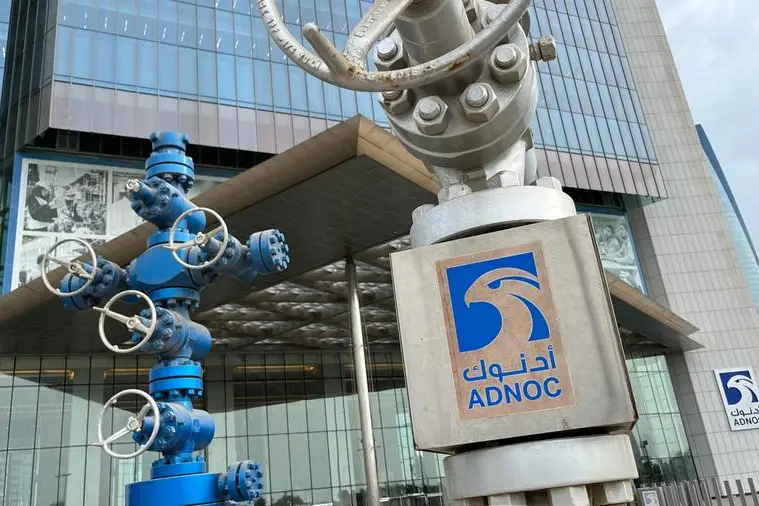
Early last month, the UAE said it was quitting OPEC to utilise its large oil potential. A decade of investment means the state-backed oil company ADNOC already has the capacity to produce 4.85 million barrels per day – and has been vocal about plans to increase this to 5 million by 2027.
The report showed the reserves of Saudi Arabia and Iraq remained unchanged at the end of 2025 although they have pumped billions of barrels over the past years. The reserves stood at around 267 billion and 145 billion respectively.
The reserves also remained at around 101.5 billion barrels in Kuwait, 25 billion in Qatar, 48.5 billion in Libya and 12.2 billion in Algeria.
“This is because of new discoveries in Saudi Arabia and other Arab countries and improved recovery technology…some Arab members of OPEC have also revised up their reserves following the group’s decision years ago to base production quotas on total reserves,” said Walid Khaddouri, former information director in OAPEC.
At the end of 2025, the combined Arab oil deposits accounted for nearly 55 percent of the world’s total proven crude reserves of 1,345 billion barrels, OAPEC said.
(Writing by N Saeed; Editing by Anoop Menon)
Subscribe to our Projects' PULSE newsletter that brings you trustworthy news, updates and insights on project activities, developments, and partnerships across sectors in the Middle East and Africa.