PHOTO
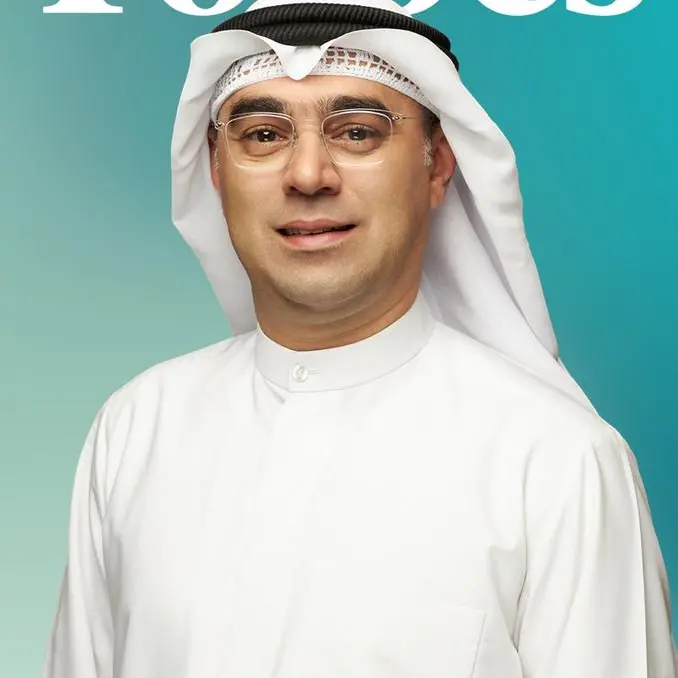
- With 30 years of global experience in operations management and a portfolio of innovative real estate projects that blend sustainability and design, Eng. Karim Malash has earned his place among the most influential real estate leaders
- The M squared Chairman and CEO has played a key role in launching innovative and leading real estate projects that are reshaping Egypt's real estate landscape, mainly Masyaf Ras AlHekma, MIST, and 31WEST
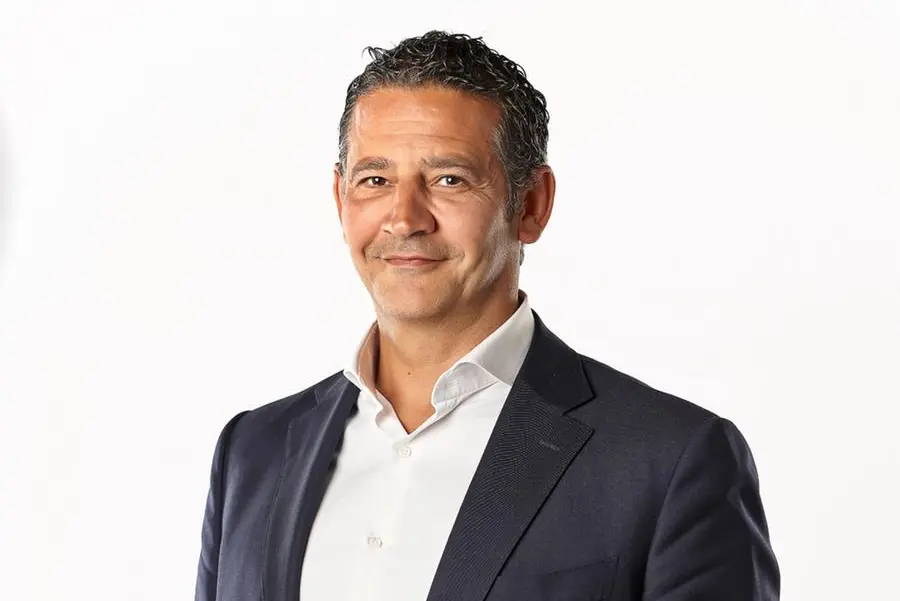
Cairo: Forbes Middle East has selected M squared Chairman and CEO Eng. Karim Malash for its Most Impactful Real Estate Leaders 2026 list.
Malash brings 30 years of global experience in operations management, including 5 years in the real estate industry overseeing a series of innovative and pioneering real estate projects that combine sustainability and design to meet client needs while achieving operational excellence.
He began his career in the oil and gas sector and drew on his exceptional leadership expertise to transition into real estate development. His extensive experience has been instrumental in accelerating M squared's growth within Egypt's expanding real estate market.
Before joining M squared in 2021, Malash spent 25 years at Schlumberger, building a distinguished and multidisciplinary career at the world-leading oilfield services company. He joined as a junior field engineer in 1996 and rose through the ranks to hold key roles, including Vice President of Global Supply Chain and Shared Services, where he implemented transformational strategies across global networks. He also served as President of Testing Services Product Line, where he oversaw worldwide operations.
Through these roles, he honed his ability to lead diverse teams, optimize large-scale global projects, and deliver results under challenging market conditions. These skills now underpin his success in real estate development.
Several factors have shaped Malash's integrated management approach in the real estate sector, mainly his deep technical knowledge, strategic foresight, and commitment to innovation. All these skills were cultivated through numerous leadership roles across regions, including Europe, Africa, and the Middle East.
His ability to manage multidisciplinary projects and navigate regulatory and market complexities across various countries and regions has been pivotal in positioning M squared as a leader in creating sustainable, customer-driven communities.
Malash holds a Bachelor's degree in Mechanical Engineering from the University of Alexandria and an Executive MBA from Erasmus University. He also received advanced executive training at Harvard University, IMD Business School, and the London School of Economics.
These academic achievements have enabled him to bridge technical expertise with strategic leadership, empowering M squared to deliver world-class real estate solutions.
Under Malash's leadership, M squared continues to shape Egypt's real estate landscape. He has played a crucial role in launching pioneering projects, including Masyaf Ras AlHekma, an architectural icon in the North Coast; MIST, the latest mixed-use urban community in New Cairo; and 31WEST, designed to redefine luxury living and sustainable development in the 6th of October City.
Forbes selects its award recipients based on their role and contributions to accelerating the growth of the real estate market in the Middle East.
The list highlights the most impactful real estate leaders in the Middle East for 2026, focusing on real estate development companies that are shaping cities and major projects across the region. It features a diverse range of companies, from established firms to emerging developers working in residential, commercial, hospitality, and mixed-use projects.
The list includes 47 leading companies from the UAE, followed by Saudi Arabia with 21 companies, and then Egypt with 17 companies.
The Middle East real estate market has seen significant growth, driven by increasing infrastructure projects and rising investment in non-oil sectors. Its value reached USD 420.5 billion in 2025, and is expected to reach USD 849 billion by 2034, according to the IMARC Group.