PHOTO
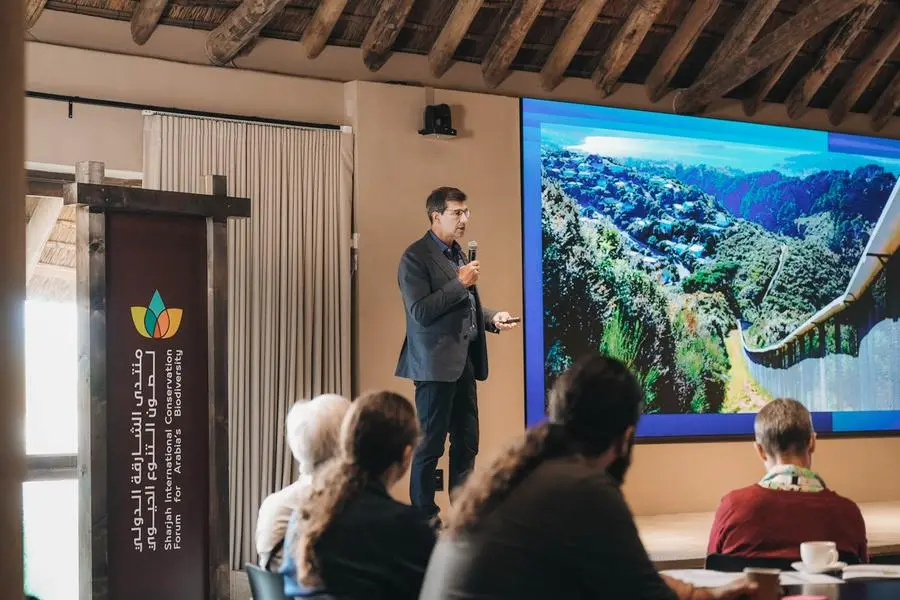
Sharjah: The Sharjah Environment and Protected Areas Authority (EPAA) successfully concluded the 25th edition of the Sharjah International Conservation Forum for Biodiversity in the Arabian Peninsula. The event brought together more than 180 experts, researchers, and veterinarians from across the Arab world, alongside representatives from international scientific and research institutions.
The forum addressed key environmental priorities in the region, including the management of invasive alien species, responses to marine bird strandings, and the conservation status of sea snakes. These discussions fostered enhanced knowledge exchange, strengthened professional practices in biodiversity conservation, and advanced innovative and strategic solutions to ensure long-term environmental sustainability for future generations.
A Scientific Platform Translating Knowledge into Action
Her Excellency Aisha Rashid Deemas, Chairperson of the Environment and Protected Areas Authority (EPAA), affirmed that the Sharjah International Conservation Forum has consolidated its role as a specialised scientific platform for dialogue and knowledge exchange on pressing environmental issues. She noted that the outcomes of the 25th edition were highly positive, reflecting the depth and quality of scientific discussions, particularly regarding the management of invasive alien species and the development of effective scientific and operational responses to marine bird strandings.
She further highlighted the forum’s strong emphasis on student participation, offering opportunities to present research papers and engage in dedicated workshops. This approach, she explained, contributes to building an environmentally conscious generation and reflects the Authority’s commitment to engaging all segments of society in environmental stewardship.
Her Excellency added that the forum focused on strengthening regional and international cooperation to translate scientific knowledge into tangible, field-based actions. These efforts aim to protect the region’s unique natural heritage, enhance effective response systems, and improve ecosystem resilience amid accelerating environmental and climate challenges.
She reaffirmed that the Emirate of Sharjah, under the guidance of His Highness Sheikh Dr Sultan bin Muhammad Al Qasimi, Supreme Council Member and Ruler of Sharjah, continues to prioritise environmental protection as a core strategic objective, ensuring the long-term sustainability of biodiversity and natural resources for future generations.
Applying Global Lessons to Invasive Species Management Strategies
An International Model for Addressing Invasive Alien Species
Dr Philip Seddon delivered a keynote address outlining New Zealand’s national goal of becoming predator-free by 2050. He highlighted the scale of the challenge facing native wildlife due to introduced mammalian predators, noting that of the 144 bird species historically introduced, 33 remain today.
Dr Seddon described the initiative as an ambitious national project that unites communities and institutions through a combination of traditional management tools and advanced technologies, including genetic fertility control. He presented the programme as a practical long-term model for collaborative invasive species management with valuable lessons for the region.
Building the Scientific Foundations for Biodiversity Conservation
Forum sessions further emphasised the scientific foundations required for effective biodiversity protection. Dr Helen Senn presented a comprehensive case study on biobanking, describing these facilities as “genetic libraries” that play a critical role in conservation efforts. She stressed that strict ethical standards and meticulous data management are more important than costly infrastructure investments.
In a related session, Dr Silvia Pérez-Espona explored the application of DNA metabarcoding in dietary and ecological studies. She explained how the technique reveals precise species interactions within food webs and provides essential evidence for designing effective ecosystem restoration programmes.
Strengthening Field Response and Environmental Monitoring
A panel of marine bird veterinary experts addressed the growing global challenge of antimicrobial resistance in wildlife rehabilitation programmes. They emphasised that minimising antibiotic use remains the most effective strategy to prevent resistance and called for the adoption of disinfection-based protocols, the development of rapid in-house diagnostic tests, and the prioritisation of animals’ natural immunity through proper nutrition and preventive care.
To bolster environmental monitoring, James Conder delivered an interactive workshop entitled “Identifying Seabirds of the Arabian Region”, aimed at enhancing field skills. Participants learned to distinguish eight major seabird families and to apply both digital and practical tools to support monitoring and documentation efforts.
Recognising Emerging Voices and Strengthening the Legacy of Scientific Collaboration
The forum concluded with the recognition of young researchers for outstanding student research. Among the highlighted contributions was a study by Ziyad Al-Therwe, examining the impact of the invasive common myna on native bird species in Saudi Arabia. His research offered practical policy recommendations, including the implementation of long-term monitoring programmes.
Members of the planning committee affirmed that the forum has evolved into a key regional hub for scientific coordination. Collaborative efforts during the forum also enabled the completion of the first comprehensive global reassessment of all sea snake species for the IUCN Red List. Professor Kate Sanders noted that face-to-face engagement fosters the trust and scientific dialogue necessary to translate global conservation strategies into effective field actions tailored to the unique biodiversity of the Arabian Peninsula.
Early Detection as the First Line of Defence for Ecosystem Protection
The forum underscored the most pressing environmental challenges facing the region, particularly threats to marine ecosystems and seabirds, the need for robust rescue and rehabilitation mechanisms, and invasive alien species, which represent one of the greatest threats to local ecosystems. Discussions focused on monitoring strategies, early intervention mechanisms, and the role of local communities and volunteers in reporting environmental incidents.
Participants emphasised the importance of establishing effective early warning systems for invasive species, developing rapid and coordinated response mechanisms to mitigate environmental risks, and enhancing the resilience of coastal and marine habitats in the face of climate change and increasing human pressures.