PHOTO
- In cooperation with MOCCAE and under the slogan “Our roots are the foundation of our future”
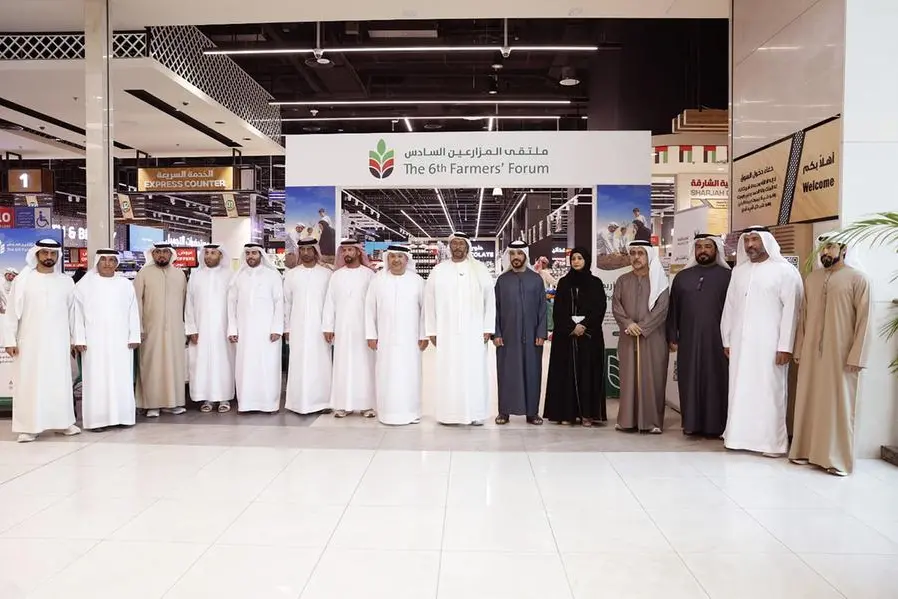
Sharjah: As part of efforts to strengthen the national food security ecosystem and reinforce concepts of community sustainability, HE Majid Salem Al Junaid, CEO of Sharjah Cooperative, and Rashid Abdullah Bin Huwaiden, Executive Director of the Supply Chain Sector at Sharjah Cooperative, today (Tuesday) inaugurated the activities of The 6th Farmers’ Forum, organized by Sharjah Cooperative in cooperation with The Ministry of Climate Change and Environment (MOCCAE), under the slogan “Our roots are the foundation of our future”, at Rahmania Mall. The forum will continue until the evening of 1 February, taking place in the open-air area outside the mall, daily from 4:00 pm to 10:00 pm, offering a comprehensive community experience that brings together agriculture, shopping, knowledge, and entertainment.
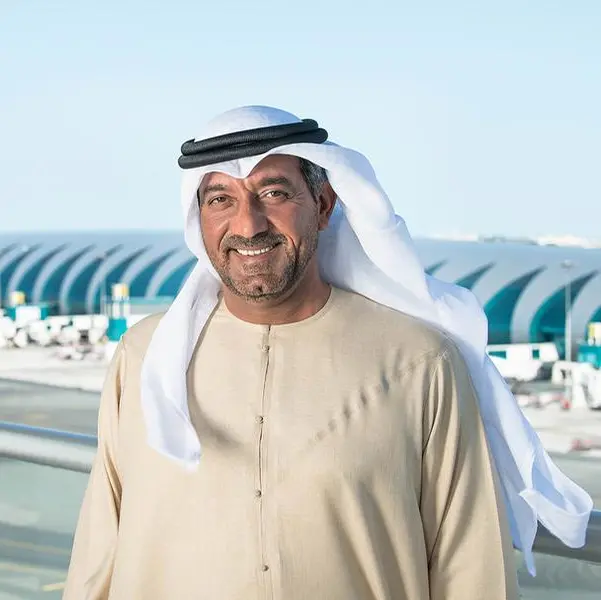
The opening ceremony was attended by Sheikh Ahmed bin Hamdan bin Mohammed Al Nahyan, Chairman of the Abu Dhabi Agricultural Club, and Dr. Mohammed Salman Al Hammadi, Assistant Under-Secretary for the Food Diversity Sector at The Ministry of Climate Change and Environment (MOCCAE), along with a number of Sharjah Cooperative directors and officials, as well as representatives of the media and participating farmers.
The forum is organized in line with the vision of the Emirate of Sharjah to build a sustainable food system based on supporting local production and strengthening reliance on national resources. It also aligns with the objectives of the Year of the Family, which aims to support family stability and enhance the role of the family as an active partner in development. The forum reflects Sharjah’s approach to linking agricultural development with the community dimension through practical initiatives that raise awareness of the importance of agriculture, promote responsible consumption, and support local farmers, positively impacting quality of life and long-term food security.
The forum features an integrated exhibition comprising 25 dedicated booths supporting local farmers, beekeepers, and productive families, showcasing a diverse range of Emirati organic agricultural products, organic honey, and fresh local produce. The forum market enables visitors to shop directly from producers, strengthening trust between consumers and farmers and supporting local supply chains. It also includes the “Shop and Win” initiative, offering instant gifts to shoppers on purchases of AED 200, as an incentive to support national products and encourage community participation.
HE Majid Salem Al Junaid affirmed that the launch of the Farmers’ Forum embodies the vision of His Highness Sheikh Dr. Sultan bin Mohammed Al Qasimi, Supreme Council Member and Ruler of Sharjah, who places particular emphasis on the agricultural sector and farmers, stemming from his belief in the role of agriculture in achieving food security, supporting sustainability, and enhancing quality of life. He noted that the forum reflects Sharjah’s approach to investing in people and families, and to linking economic development with social stability, positioning the Emirate as a leading model of balanced development.
Al Junaid added that supporting and empowering local farmers is a core pillar of Sharjah Cooperative’s strategy, stressing that the forum goes beyond being a marketing platform to serve as an integrated space for awareness, community engagement, and knowledge exchange. He explained that the initiative contributes to strengthening self-sufficiency, stimulating local production, and supporting the national economy, while fostering appreciation for local products within the family and the wider community.
For his part, Rashid Abdullah Bin Huwaiden stated that the Farmers’ Forum provides a practical platform to enhance the efficiency of local supply chains and connect farmers directly with consumers. He noted that supporting national agricultural products contributes to market stability, strengthens the resilience of the food system, and aligns with national directions toward diversifying food supply sources and achieving long-term sustainability.
Bin Huwaiden added that through such initiatives, the Supply Chain Sector at Sharjah Cooperative works to enable farmers to access effective marketing channels and to provide a supportive environment that enhances product quality and competitiveness. He emphasised that cooperation with The Ministry of Climate Change and Environment and relevant entities is a key factor in the success of the forum and in reinforcing institutional integration in support of the agricultural sector and food security.
The forum also features a diverse programme of interactive workshops for children, alongside educational and recreational activities that promote concepts of sustainable agriculture, environmental awareness, and community belonging among younger generations. A dedicated section for productive families further contributes to strengthening family bonds, fostering a culture of production and joint effort within the household, and encouraging home-based skills and innovation, in line with the objectives of the Year of the Family.
The opening ceremony included cultural and community segments, as well as entertainment shows for children, creating an engaging atmosphere that combined awareness with enjoyment. Supporting government and private entities, along with participating farmers, were also honoured in recognition of their efforts and contributions to supporting the agricultural sector, strengthening the food security ecosystem, and reinforcing a culture of partnership among all stakeholders within the agricultural and community system.
The 6th Farmers’ Forum will continue until 1 February, offering an integrated programme that combines direct marketing, awareness activities, and interactive workshops, enhancing the presence of agriculture in the daily life of families and the community. The forum reaffirms Sharjah Cooperative’s commitment to organising impactful initiatives that support local farmers, strengthen food security, reinforce the role of the family as a development partner, and establish agriculture as a cornerstone of a sustainable future, rooted in strong foundations and aligned with the aspirations of future generations.