PHOTO
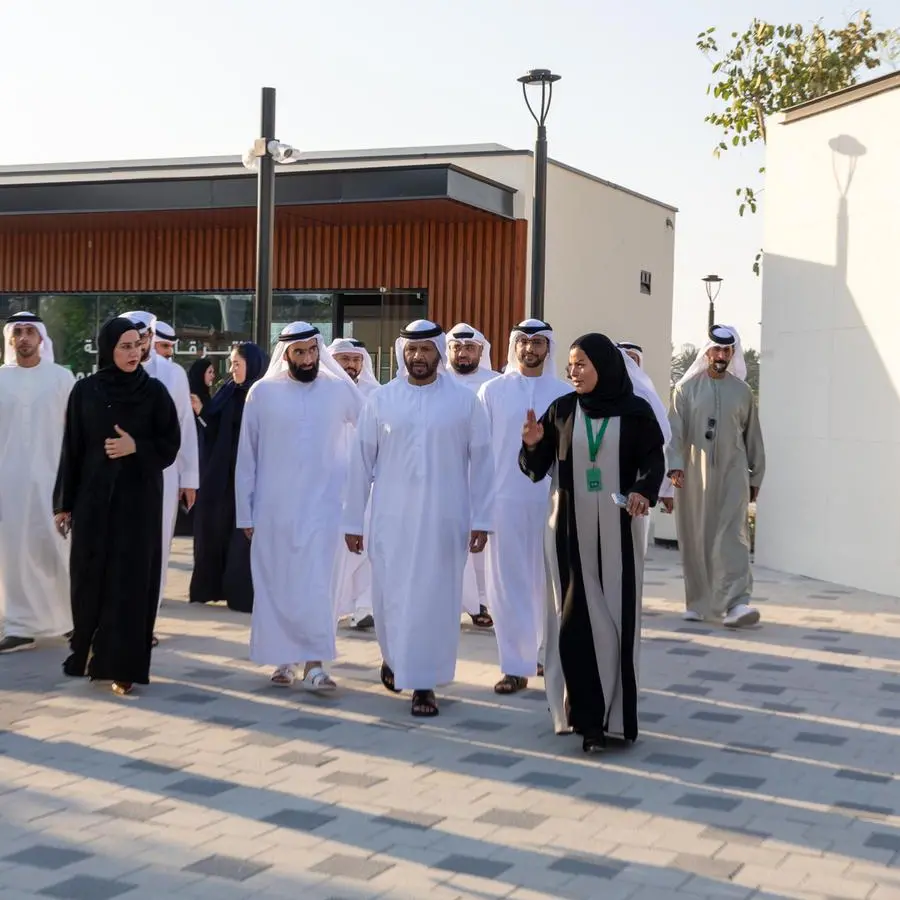
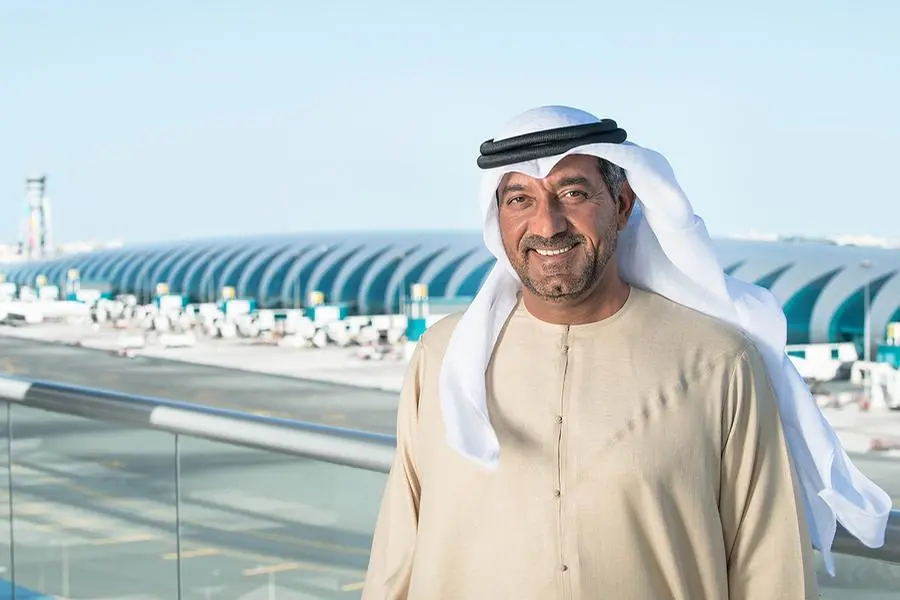
- H.H. Sheikh Ahmed bin Saeed Al Maktoum: "Dubai is a leading global city in accessibility and inclusive development, and we are committed to building more inclusive communities for everyone."
- Assistive technologies are rapidly transitioning from research laboratories to commercial markets and consumers
- Global assistive technology market projected to reach US$65 billion by 2034, including US$5 billion across the Middle East
Dubai, United Arab Emirates – Artificial intelligence-powered assistive technologies are advancing at an unprecedented pace, delivering innovative solutions that are reshaping the future of accessibility and independent living for People of Determination.
From AI-powered smart glasses equipped with integrated cameras that describe surroundings, read text aloud, and provide voice-guided navigation for people with visual impairments, to continuous speech recognition and real-time transcription systems that adapt to speech disorders, and autonomous mobility solutions and intelligent prosthetic limbs, technology is playing a transformative role in improving the quality of life of People of Determination and catering more effectively to their individual needs.
According to the World Health Organization (WHO), nearly 90 percent of People with Disabilities worldwide do not have access to the assistive technologies they require due to high costs or limited availability. The Global Report on Assistive Technology further reveals that only three percent of those who need smart wheelchairs, hearing aids, white canes, adaptive bicycles, wearable neuromuscular devices, rehabilitation robots, and advanced prosthetic limbs with sensory feedback are currently able to access these essential technologies.
Showcasing the Best Assistive Technology
The 8th edition of AccessAbilities Expo (AAE-2026) will present an exceptional showcase of the latest assistive technologies and inclusive innovations. The exhibition will be held in Dubai from October 19 to 21 at Zabeel Halls 4–6, Dubai World Trade Centre (DWTC) under the theme "Integrating Communities... Enabling Lives."
The Expo further reinforces its position as the largest event dedicated to People of Determination across the Middle East, North Africa, and South Asia (MENASA).
Dubai: A Global Leader in Accessibility
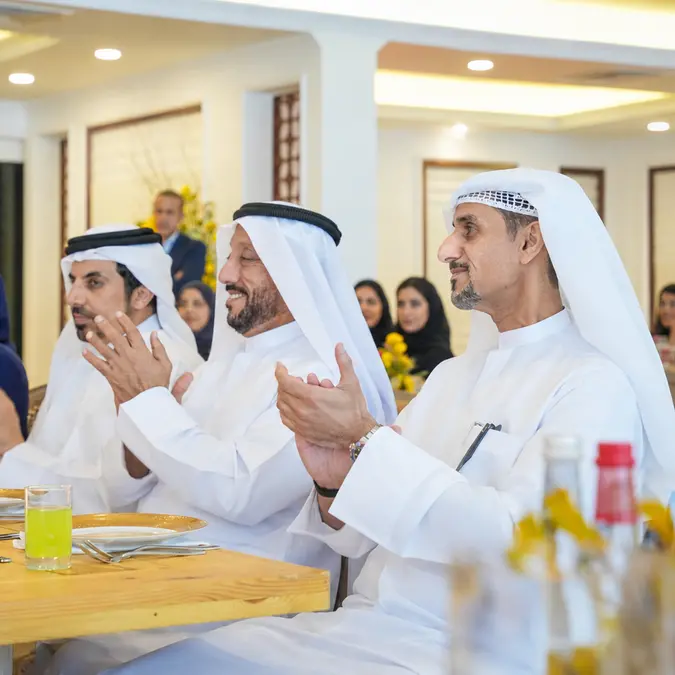
Commenting on the exhibition, His Highness Sheikh Ahmed bin Saeed Al Maktoum, President of the Dubai Civil Aviation Authority, Chairman of Dubai Airports, Chairman and Chief Executive of Emirates Airline and Group, and Patron of AccessAbilities Expo, said:
“AccessAbilities Expo has become the largest and most significant exhibition across the Middle East, Africa, and South Asia dedicated to promoting accessibility, assistive technologies, rehabilitation, and community inclusion.”
He added:
“By bringing together government entities, innovators, healthcare providers, educational institutions, international organisations, and the private sector under one roof, the Expo provides an ideal platform for knowledge exchange, showcasing the latest solutions and innovations, and building strategic partnerships that improve quality of life and enhance the independence of People of Determination.”
His Highness further said:
"As Dubai continues to strengthen its position as one of the world's leading cities in accessibility and inclusive development, initiatives such as AccessAbilities Expo play a pivotal role in supporting the UAE's vision of empowering People of Determination and ensuring their full and active participation in society. We look forward to welcoming exhibitors and participants from around the world to work together in shaping the future of accessibility, driving innovation, and contributing to the creation of more inclusive communities across the region and globally."
Bringing Assistive Technology Closer Than Ever Before
Ghassan Suleiman, CEO of Nadd Al Shiba PR & Event Management, the organiser of AccessAbilities Expo, said:
“Assistive technologies empower People of Determination to face life's challenges with greater confidence and independence. Despite rapid advances in digitalisation and technology, the journey towards full empowerment continues to face challenges related to the availability, accessibility, and adoption of these technologies in many parts of the world.”
He added:
“Over the years, we have succeeded in bringing assistive technologies closer to the People of Determination community more than ever before. Demand for these products continues to grow rapidly, while emerging technologies are opening new opportunities for learning, employment, social interaction, and independent living. Data-driven digital technologies are also enhancing quality of life and strengthening social inclusion.”
A US$65 Billion Global Market
The global assistive technology market is projected to grow from US$30.5 billion in 2026 to approximately US$65.2 billion by 2034, including an estimated US$5 billion market across the Middle East region.
Despite increasing global demand and the tremendous benefits assistive technologies provide, access remains limited in many parts of the world. Addressing this accessibility gap has therefore become a critical priority to ensure greater empowerment and improved quality of life for People of Determination.
According to the latest Forrester Accessibility Report, commissioned by Microsoft, accessibility has become increasingly important as technology continues to evolve at a rapid pace. The report highlights that technology is no longer optional but essential, and that understanding the needs of people with disabilities makes accessibility more important than ever. For people with disabilities and neurodivergent individuals, artificial intelligence has the potential to reduce everyday challenges, simplify daily tasks, and unlock new opportunities for greater independence.
Media contact:
Ghassan Suleiman
Nadd Al Shiba PR & Event Management
E: ghassansuleiman@naddalshiba.com