PHOTO
DUBAI: Companies in the Gulf, some of the most directly affected by the Iran war, will provide one of the clearest insights so far of its regional financial impact when they begin reporting their second-quarter earnings this week.
In countries from Saudi Arabia and Oman to the United Arab Emirates and Qatar, company results are likely to be mixed.
Banks and real estate are most exposed given pre-existing challenges that have been exacerbated by the war's impact on inflation on interest rates, while telecoms were sheltered by long-term contracts and relatively inflexible demand, analysts said.
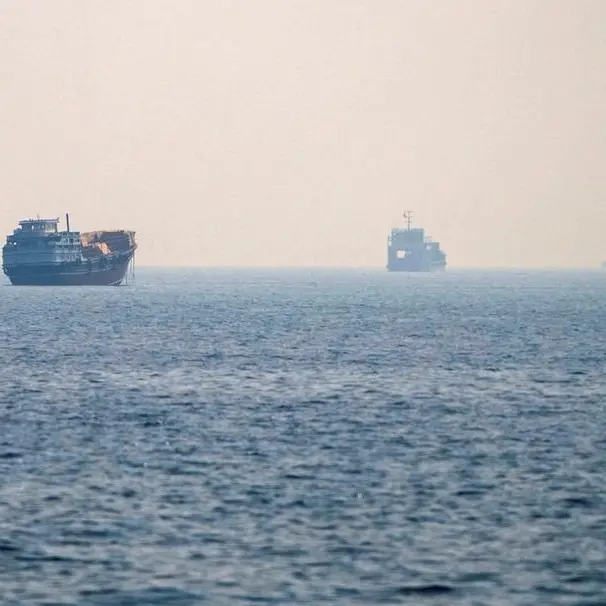
Energy companies faced supply disruption from the four-month conflict, but also potential gains from the price volatility caused by the closure of the Strait of Hormuz shipping channel.
"The second quarter is going to reveal the real impact of the war," said Tariq Qaqish, deputy CEO at advisory firm FH Capital. He added the first quarter, only partly affected by the conflict which began at the end of February, had shown just the initial impact on sectors such as tourism and aviation.
WINNERS AND LOSERS DEPENDING ON GEOGRAPHY
The fortunes of regional economies, many built around hydrocarbons, largely depend on how reliant they are on the Strait of Hormuz that provides the only sea access to the Gulf.
The economy of Saudi Arabia, which also has oil terminals on the Red Sea, will grow 2.1% this year, HSBC forecasts show.
Similarly, the stock index of Oman, which is outside the strait, has outperformed.
UAE, Qatar and Kuwait, which rely on the shipping canal, are set to contract.
As a peace deal comes under threat from renewed strikes, some of the region's risk premium is likely to stay, said Salman Ahmed, Fidelity International's global head of macro and strategic asset allocation, citing Iran's leverage on the strait.
On Wednesday U.S. President Donald Trump said an interim agreement to end the war with Iran was over after Tehran carried out new attacks on U.S. bases in the Gulf.
"A further confidence shock would exacerbate risk for companies exposed to consumer and service demand," S&P Global Ratings analysts said.
ENERGY AND TELECOMS ARE BROADLY RESILIENT
Oil and gas earnings are expected to remain strong, as elevated energy prices partly offset volumes lost to damage and disruption. HSBC raised its Brent forecast to $95 a barrel for 2026 and estimates second-quarter average prices of $114.
While Saudi Arabia managed to keep exports flowing via the Red Sea, the UAE's gas sector suffered. ADNOC Gas has forecast a roughly 19% year-on-year decline in domestic gas sales tied to an incident at one of its plants.
Among telecoms, regional operators Saudi Arabia's STC and Mobily and the UAE's e& have proved resilient.
The consumer sector, including retail activity and tourism, will reflect disruption, although higher at-home consumption provided a boost for some.
Among them, shares in Dubai food delivery firm Talabat have risen by more than 60% in the last three months.
Gulf airline flight volumes, meanwhile, have returned to near normal.
BANKS AND REAL ESTATE HEAD LOWER
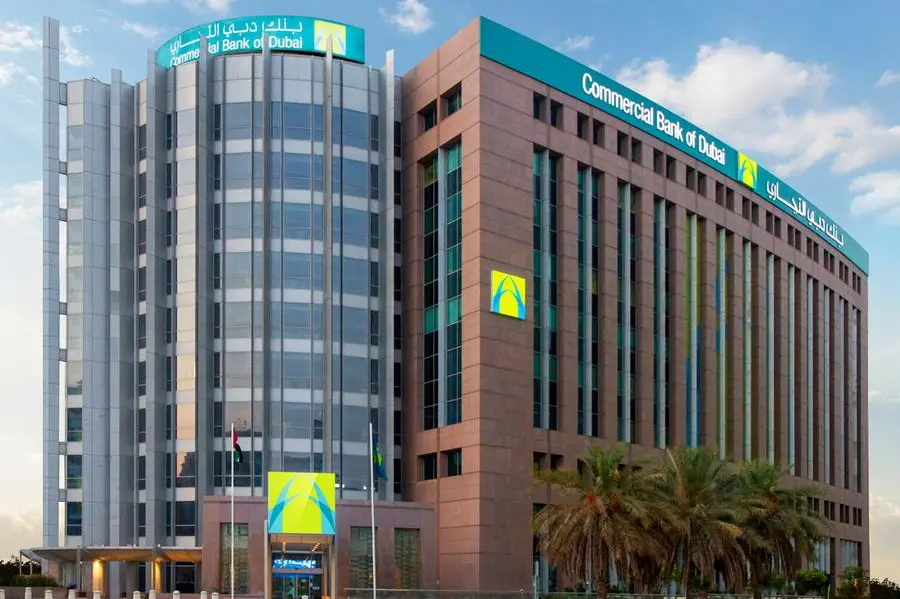
Banks across the Gulf are forecast to post single-digit declines in second-quarter profits from the previous three months, said Elena Sanchez-Cabezudo, head of financials equity research at EFG Hermes, citing lower fee income linked to weaker trade finance and credit card spending on international travel.
The decline partly reflects a strong January and February compared with a full quarter of conflict in the second quarter, she said, adding that lenders remained resilient with abundant sector liquidity.
S&P Global Ratings said regional lenders had "stable funding profiles", but that war-linked uncertainty is likely to slow their growth. Some UAE banks have been bolstered deposits by increasing interest rates for new savers.
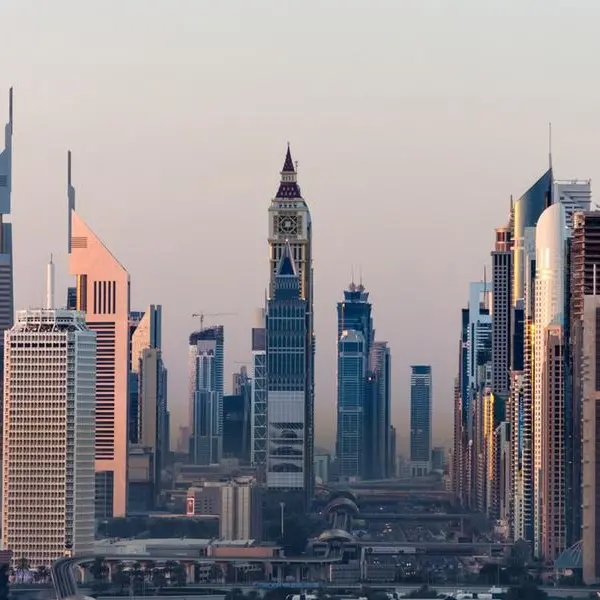
After a years-long boom, UAE property markets, meanwhile, show signs of strain and analysts have flagged risks to expatriate inflows and tourism-linked demand if tensions persist.
Some developers are taking measures to preserve liquidity, such as reducing or delaying dividend payouts.
Citi said in a note that Dubai residential sales in the second quarter were "significantly below pre-conflict" levels, with a similar if less severe slide in Abu Dhabi. Big regional names include Emaar Properties and Aldar Properties.
Francesc Balcells, CIO EM debt at investment management firm FIM Partners, was more positive. He said that some real estate developers were lagging, but regional credit spreads – the premiums investors demand to buy bonds – were "pretty much back to normal".
"It is just an issue of balance sheets, these guys have very strong balance sheets," he said. "So they can withstand big shocks like this."
($1 = 3.6724 UAE dirham) (Reporting by Hadeel Al Sayegh and Federico Maccioni in Dubai; Additional reporting by Karin Strohecker and Marc Jones in London; Editing by Adam Jourdan and Barbara Lewis)