PHOTO
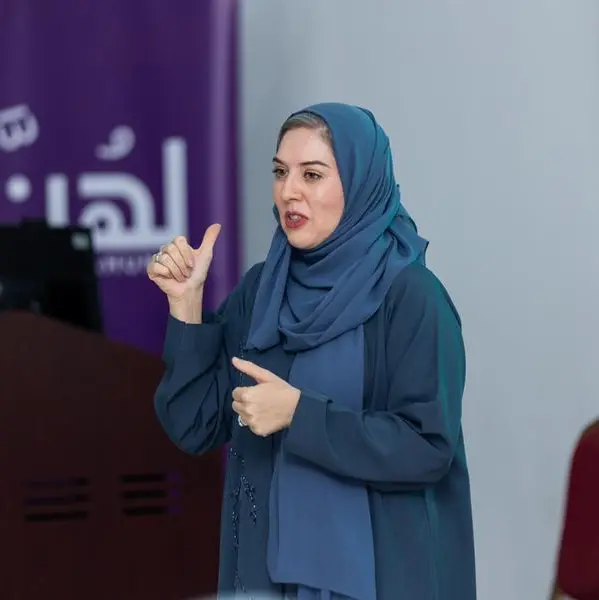
UAE: Her Excellency Dr. Amna bint Abdullah Al Dahak, Minister of Climate Change and Environment, launched the first edition of the Sustainability Impact Forum during the World Governments Summit 2026.
Held under the theme ‘Partnerships for Sustainable Water’, the forum convened global leaders to foster innovation, strengthen partnerships, and advance transformative governance for long-term water security and sustainable development. The programme positions the UAE as a global leader in water stewardship and diplomacy ahead of the 2026 UN Water Conference co-hosted by the UAE and Senegal in Abu Dhabi this December.
The Sustainability Impact Forum, which took place on Wednesday, 4 February, at Jumeirah Beach Hotel, Dubai, set out to foster innovation, strengthen partnerships and advance governance for long-term water security and sustainable development.
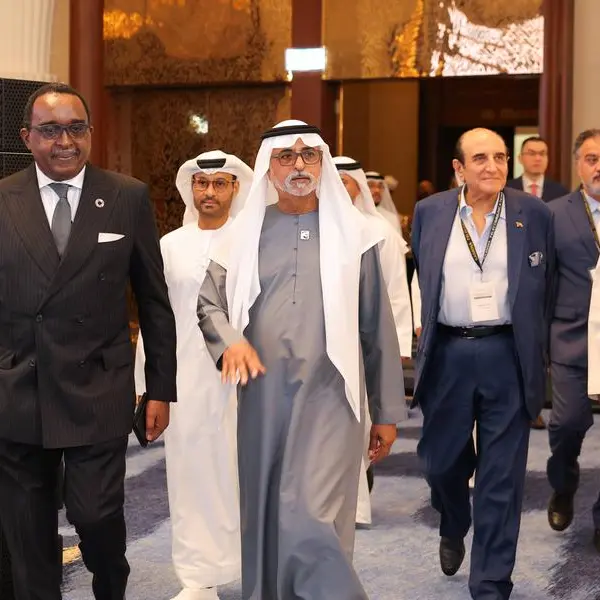
The Forum was attended by His Excellency Surangel Whipps Jr., President of the Republic of Palau; and His Excellency Ntsokoane Samuel Matekane, Prime Minister of the Kingdom of Lesotho along with many other global leaders and sustainability experts.
Water scarcity, intensified by climate change, population growth, and unsustainable practices, threatens food security, energy systems, biodiversity, and global stability. Building on its legacy of resilience in arid conditions and its investments in desalination and advanced water management, the UAE used WGS 2026 to emphasise that future-ready governance must prioritise water and environmental sustainability. The programme aimed to galvanise global cooperation ahead of the 2026 UN Water Conference.
H.E. Dr. Amna bint Abdullah Al Dahak delivered the opening remarks, during which Her Excellency stressed UAE’s commitment to mobilising collective action for a water-secure, sustainable future, and the need for shared responsibility and innovative partnerships across governments, international organisations, the private sector, and civil society.
H.E. Dr. Amna Al Dahak said: “We firmly believe that the global community must work together, urgently and strategically, to address water security. Collaboration between governments, the private sector, civil society, and the local community is absolutely essential for driving equitable, just, and sustainable water solutions. This entails not only sharing cutting-edge technologies but also mobilising investment in resilient infrastructure and exchanging best practices in water management.
“The theme of this session 'Partnerships for Sustainable Water' encapsulates the very essence of this collective commitment. It reflects the visionary spirit of the UAE, inspired by the late Sheikh Zayed bin Sultan Al Nahyan, who laid the foundation for a sustainable relationship with our natural resources. Our nation serves as a global model, integrating cutting-edge innovation with compassionate humanitarian action to safeguard water resources. We must continue building momentum for this cause, seeing water not merely as a challenge, but as a strategic opportunity to foster unity within and between nations. Let us strengthen our partnerships, drive innovation, and together secure a water-rich future for all. The Forum aligns with the UAE’s objectives by promoting collective action in preparation for the 2026 UN Water Conference, which the nation will co-host with Senegal this December.”
Her Excellency highlighted that the Mohamed bin Zayed Water Initiative (MBZWI) is a tangible example of the UAE’s steadfast and ongoing commitment to addressing the global water scarcity crisis through innovative solutions. Adding further that MBZWI positions the UAE at the forefront of international efforts in promoting cooperation and developing sustainable water technologies that benefit humanity, particularly the most vulnerable communities, while advancing global action towards greater stability and water security.
Following Dr. Al Dahak’s address, President of Palau, His Excellency Surangel Whipps Jr. addressed the gathering: “Water is a sacred trust, a principle of stewardship that dictates what we take today must not compromise tomorrow. Palau, deeply connected to our waters yet profoundly impacted by the 2016 drought, has learned that we cannot ignore the realities of climate change, aging infrastructure, and growing populations. Our path forward entails a decisive shift from reactive crisis management to building enduring resilience. This demands strong partnerships, shared expertise, vital financing, and efficient governance, all guided by science and community collaboration. Together, we will modernise our systems, ensure equitable distribution, and secure a water-resilient future for Palau and for all communities.
His Excellency Bakyt Torobayev, Deputy Chairman of Cabinet and Minister of Water Resources, Agriculture, from the Kyrgyz Republic delivered a keynote speech highlighting the centrality of water in sustainable development and how countries need to work together to achieve shared goals for water.
He said: “For the countries of Central Asia, the efficient use of water resources is of both national and regional importance. We are increasingly facing extreme hydrological phenomena — water scarcity, floods, glacier melting, and declining water levels in rivers and lakes.”
He added: “The world needs to move from short term measures to long term comprehensive measures to save water. Investing in water systems and their development means investing in climate resilience, public health, and the future of the economy. In this regard, it is critically important for state institutions to create favourable conditions for attracting long-term investments into the water sector.”
His Excellency Dr. Cheikh Tidiane Dieye, Minister of Water and Sanitation, Republic of Senegal, delivered the main address emphasising the role of water as the fundamental driver of the future and the ultimate connector of all life.
“With technology and innovation as force multipliers, we can forge sustainable solutions that underpin our food systems, education, and climate resilience. Recognising that water knows no borders, we must strengthen water diplomacy, transforming it into a powerful vector of peace, for it is deeply intertwined with climate, biodiversity, oceans, energy, food, and finance. The choices we make today will define our economic competitiveness, climate resilience, and social cohesion. In Senegal, our ‘Senegal 2050’ vision unequivocally places water at the heart of territorial development and climate adaptation—an absolute government priority. The upcoming United Nations Water Conference 2026 must be the pivotal moment where this profound convergence of challenges and opportunities translates into concrete action, accelerating universal access to water and fortifying global peace, stability, and security.”
His Excellency Mukhtar Babayev, Representative of the President of Azerbaijan on Climate Issues, COP29 President said: “Water is the fundamental element of life on our planet, yet its increasing scarcity threatens agriculture, livelihoods, and health worldwide. With over half of the global population residing in river basins, the disruption of hydrological cycles makes transboundary cooperation not just beneficial, but an absolute necessity.
“Azerbaijan understands these profound water challenges as a downstream nation facing falling river levels, we keenly appreciate the urgency of sustainable water management and robust transboundary collaboration to move forward. We welcome the emphasis on coherence and continuity, recognising that dialogues like those held in Baku are vital in informing future global action. It is time to create a strong, unified UN body for water to truly drive global efforts. Only through such coordinated action and unwavering collaboration can we secure a water-resilient future for all.”
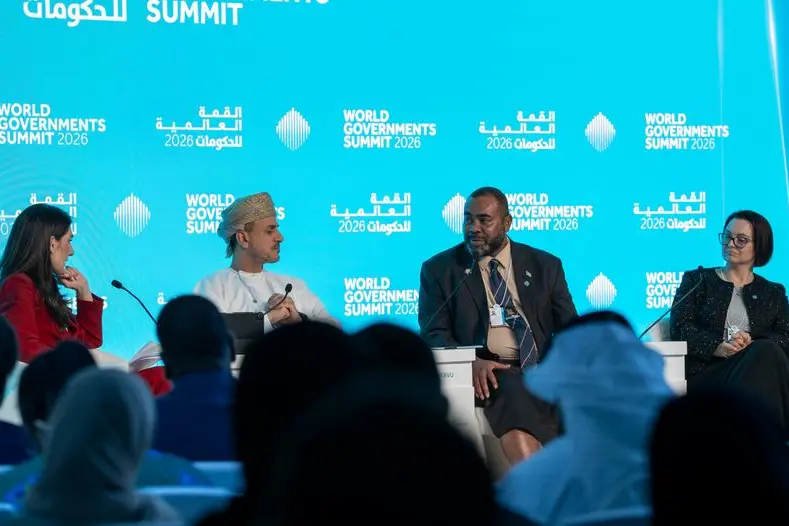
The programme hosted two panel discussions covering a diverse range of water related topics. The discussions were moderated by Eleni Giokos, CNN anchor and correspondent, who facilitated direct dialogue with global leaders and experts on water issues and their complex connections to economics, finance, and climate.
The first discussion of the day focused on marine reserves and the critical need to safeguard biodiversity and resource security. The UAE’s resident coordinator for the UN, H.E. Bérangère Boëll, was joined by H.E. Moses Polivatu, Minister of Rural, Maritime development and Disaster Management of the Republic of Fiji; and H.E. Dr. Abdullah bin Ali Al Amri, Chairman of the Environment Authority of Oman and President of the Seventh Session of the United Nations Environment Assembly (UNEA-7).
The discussions explored innovative financial solutions, highlighting the critical role of 'Blue Bonds' and Public-Private Partnerships (PPPs) as effective mechanisms for funding nature conservation projects. The session revealed an urgent economic reality; the world requires approximately $4 trillion annually until 2030 to finance SDGs. Participants warned that this figure is set to double in the absence of serious action and tangible changes to current financing mechanisms.
Regarding marine environmental protection, speakers emphasised the necessity of enforcing oversight mechanisms on the ‘High Seas’ in accordance with international law, and strictly tracking non-compliant vessels and tankers responsible for marine pollution. The session also advocated for adopting an ‘Integrated Blue Economy’ approach that bridges key economic sectors such as eco-tourism and sustainable fisheries to create added value that supports national development without depleting natural resources.
The session concluded by affirming that the UN Water Conference 2026, scheduled for later this year, represents a decisive opportunity to mobilise global efforts to shift from pledges to implementation, bridging the gap in achieving water-related Sustainable Development Goals.
The final panel of the day explored the ‘Equation of Shared Sustainability’: water, food and energy. Chairman of Abu Dhabi’s Department of Energy, H.E. Dr. Abdulla Humaid Al Jarwan was joined by Dr. Mark Smith, Director General of the International Water Management Institute (IWMI); H.E. Ms Anacláudia Rossbach, Executive Director of UN-Habitat; and H.E. Alvaro Lario, President of the International Fund of Agricultural Development (IFAD).
This discussion underscored that the paramount global priorities should be climate and water security, arguing that the focus on critical minerals is misdirected. A central theme was the inherent interdependence of energy, water, and food (the EWF nexus). The session advocated for an integrated framework where energy security directly contributes to water and food security, noting that this holistic approach is achievable and already being demonstrated.
The sessions highlighted that advanced technologies like solar power providing baseload energy and breakthroughs in battery storage are crucial force multipliers for creating sustainable, affordable, and competitive EWF supply chains.
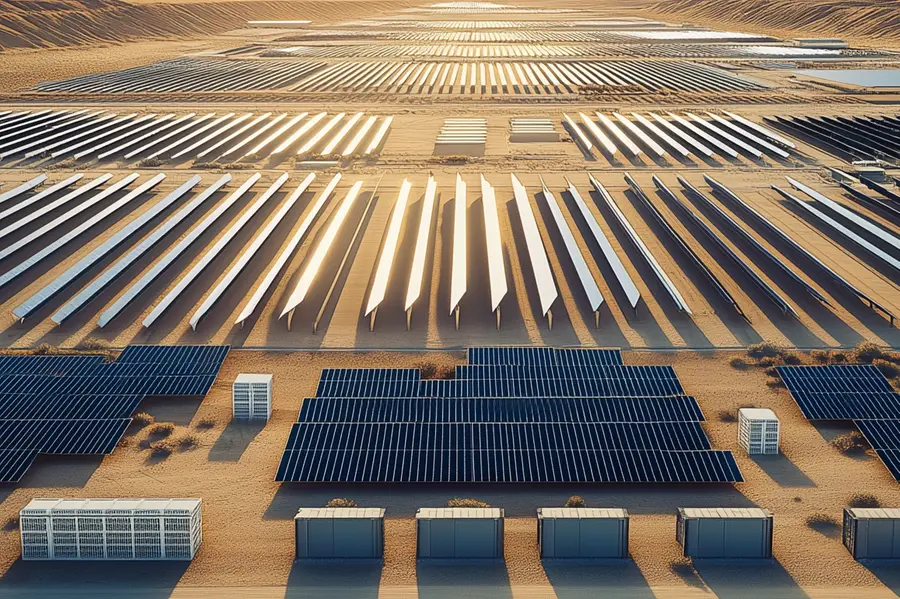
H.E. Dr. Abdullah Humaid Al Jarwan gave the example of the recent groundbreaking of the large-scale round-the-clock (RTC) renewable energy project in the UAE, being developed by Abu Dhabi, he said: “We need to build resilient systems for long-term energy, water, and food security. The RTC project is a game-changer delivering 1 GW of continuous renewable power. It overcomes intermittency by integrating solar photovoltaic (PV) with battery energy storage. Batteries are practical, they are available. This achieves gigascale baseload power at a globally competitive tariff, a renewable efficiency that was unimaginable just months ago, but now it is a reality.”
Rapid urbanisation is intensifying pressure on ecosystems, water, and energy, leading to significant urban challenges. This necessitates sustainable urban planning, recognising ecological limits, and fostering strong urban-rural linkages, with housing also being a foundational component.
Effective management and sustainability of the complex EWF nexus require robust data. The panellists underscored that evidence-driven, science-backed policies are essential, with AI and innovations like digital twins playing a key role in making data more accessible and actionable.
The rising inflation in food and widespread affordability gaps were highlighted as critical issues contributing to global unrest. The discussion emphasised the need to design systems that are resilient to inflation and ensure a good quality of life for people.
The panel concluded that achieving water, food, and energy security is deeply interconnected, requiring integrated frameworks, technological innovation, data-driven policymaking, and resilient systems to address both environmental and socio-economic challenges.
The Forum concluded with a speech by His Excellency Ntsokoane Samuel Matekane, Prime Minister of the Kingdom of Lesotho, in which he highlighted the critical importance of sustainability as a competitive strategy.
“Energy, climate, and geopolitical resilience represent the new paradigm for growth, with reliable water and climate-smart food systems poised to grow faster than ever before. In this multipolar landscape, multilateral platforms are crucial to amplifying the voices and addressing the unique challenges faced by smaller nations like Lesotho. We are blessed with water in such abundance, a resource we view as our greatest asset for sustainable development. We are actively seeking strategic partners to invest in our vast potential from hydropower generation to modern irrigation systems and climate-smart farming. We firmly believe that sustainable growth must be deeply rooted in environmental resilience. Protecting our ecosystems is not a choice, but an absolute imperative.
“To truly unlock Lesotho’s potential and build climate-resilient infrastructure that protects our cities, water resources, and agriculture, we must secure essential climate finance and work hand-in-hand with global partners. ”The Sustainability Impact Forum showcased a powerful demonstration of shared resolve.
Participants unanimously committed to accelerating efforts in the protection and conservation of water resources and ecosystems. A central outcome of the event was the collective ambition to bolster financial systems, strategically directing investments towards sustainable, nature-based solutions that will not only drive long-term water security but also significantly boost the health and resilience of ecosystems around the world.