PHOTO
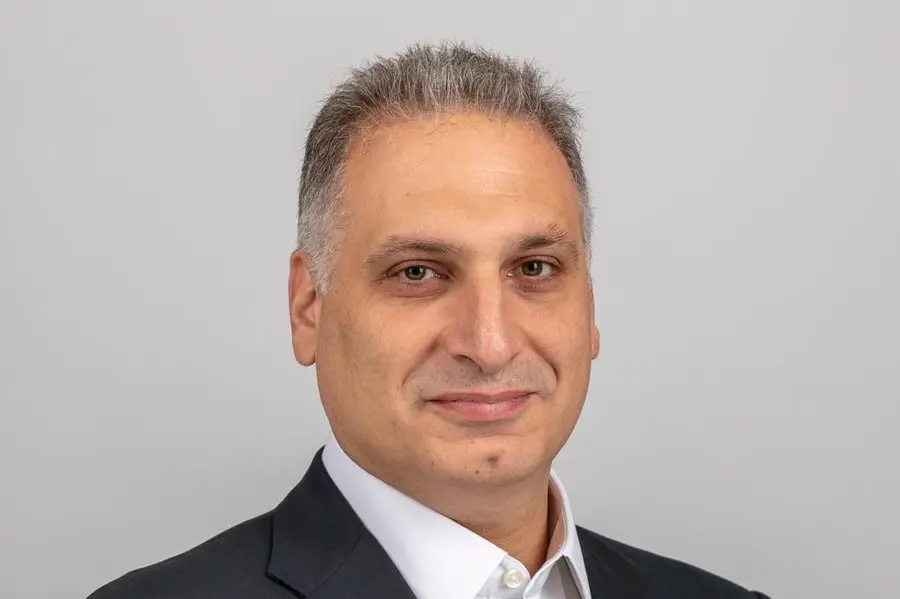
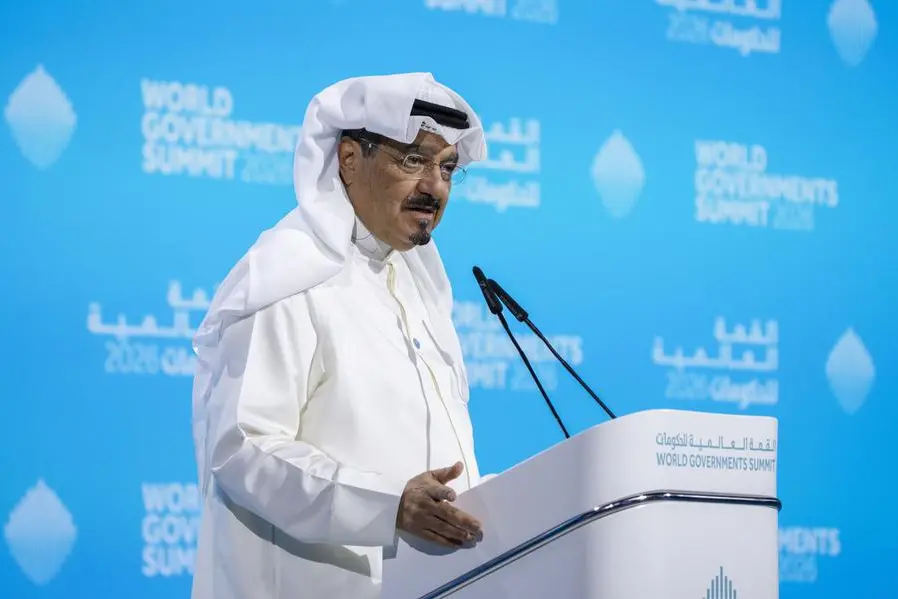
DUBAI: Kuwait’s Prime Minister, H.H. Sheikh Ahmed Abdullah Al-Ahmad Al-Sabah, said governments of the future should be measured by tangible outcomes they deliver to citizens, rather than by visions or aspirations announced on paper.
During his address on the second day of the World Governments Summit 2026, he emphasised that real transformation requires bold decisions, effective implementation of policies, and partnerships.
Highlighting world developments, Sheikh Ahmed Al-Sabah underscored the need for reason and dialogue in addressing regional and global crises.
He expressed hope for peaceful resolutions to ongoing regional tensions, particularly regarding Iran and the current negotiations, noting their direct impact on both regional and global security and stability.
“The world cannot be governed by temporary solutions. It needs a stable international order based on clear rules,” he said, warning that the absence of stability leads to uncertain and potentially dangerous outcomes.
He thanked the UAE’s leadership, government, and people for hosting the summit describing it as a leading global platform, an open lab for ideas, and a living workshop for policy solutions that connect governments’ ambitions with people’s aspirations.
Sheikh Ahmed Al-Sabah also praised the special recognition accorded to Kuwait during the “UAE and Kuwait… Brothers Forever” week, held from January 29 to February 4.
He said he spoke earlier in last year’s summit about future visions, and now returned to present realities achieved in Kuwait through determination and hard work.
He outlined major reforms undertaken to strengthen financial stability and ensure fiscal sustainability in Kuwait, including economic reform, income diversification, and increasing private-sector participation.
Among the key steps was the approval of the Financing and Liquidity Law that established a legislative framework for managing financial obligations and public debt.
He added that Kuwait is close to passing its first law regulating the issuance of government sukuk locally and internationally in accordance with Islamic sharia, aiming to enhance flexibility and responsibility in medium-and-long term financial planning.
The reforms, he noted, have strengthened international confidence, leading to concrete outcomes such as Kuwait’s return to global debt markets with the issuance of $11.25 billion in sovereign bonds, full membership in the Asian Infrastructure Investment Bank, and the highest level of development spending in five years.
Sheikh Ahmed Al-Sabah added that Kuwait aims to build a diversified and sustainable economy through effective partnerships with the private sector.
One of the government’s current priorities, he added, is establishing an integrated transport and logistics ecosystem to reposition the country as a regional hub linking continents.
He highlighted the signing of the contract to build Mubarak Al-Kabeer Port, a multi-phase maritime hub on Kuwait's Boubyan Island aimed at enhancing trade and logistics under Vision 2035. He also noted the opening of the new control tower and third runway at Kuwait International Airport, progress on the new passenger terminal, the signing of contracts for the study and design of the national railway project, and ongoing developments in the rail link between Kuwait and Riyadh.
These projects, Sheikh Ahmed Al-Sabah noted, form a strategic, integrated system linking sea, air, and land transport to support economic diversification, sustainable growth, and supply-chain integration.
He also highlighted efforts to build a stable, investment-friendly economic environment and expand partnerships in energy, research, technology, and knowledge transfer.
Sheikh Ahmed Al-Sabah said Kuwait’s achievements were driven by a clear political will, bold decisions, and rapid execution.
The WGS 2026, which runs for three days until Feb. 5 under the theme “Shaping the Governments of the Future,” brings together more than 60 heads of state and government and their deputies, over 500 ministers, representatives of more than 150 governments, more than 80 international and regional organisations, over 700 CEOs, and more than 6,250 participants from around the world.