PHOTO
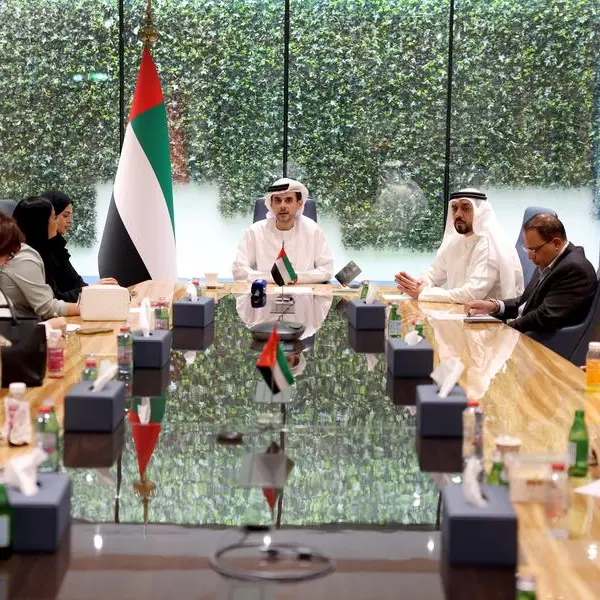
Coalesse, a premium brand of Steelcase, recently held a round table to discuss biophilic design within the workplace, and the positive benefits it can promote within an organisation. The discussion was held at the Steelcase WorkLife in Dubai, with panellists agreeing that despite the presence of nature being a predominant advantage in fostering employee wellbeing, and reducing stress and absenteeism; many employers in the UAE still underestimate the full benefits on organisational performance.
Attendees included representatives from the architecture and design community, including Allen Architecture Interiors Design (AAID), Bluehaus Group, Interface and Perkins + Will. They were hosted by Coalesse Global Director of Design, John Hamilton, and Steelcase EMEA Director of Sales, Rick Bomer.
With employees now spending in excess of 90 percent of their days indoors, the integration of biophelic design principals with architectural best practice is becoming increasingly important for organisational performance. Attendees agreed, however, that many organizations remain apprehensive about the perceived costs and maintenance associated with biophilic design, despite its proven connection to employee wellbeing and engagement.
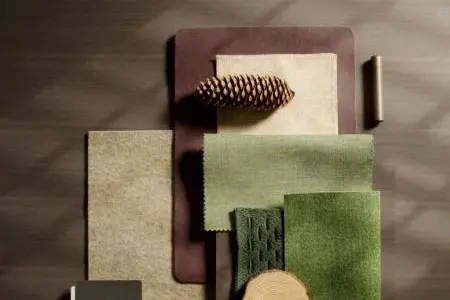
Going beyond plant life, biophilic design relates to aspects of the natural world that contribute to human health and productivity. It includes natural lighting and materials such as wood and stone, natural patterns and colours, and views of water and wildlife. Focusing on a human's innate attraction to nature and natural processes, biophilia has also been found to reduce stress, engage the mind, and help restore attention and focus.
“In recent years, technological advancements have led to an increase in email and work demands, bringing with it a subsequent increase in stress levels. This, combined with mass urbanisation and a diminished connection to nature, has placed an increasing pressure on companies to take measures to improve work-life balance and employee wellbeing,” said John Hamilton, Coalesse Director of Design. “But the incorporation of direct or indirect elements of nature into the built environment does not need to be an expensive exercise. Biophilia, when layered properly, has the ability to contribute to employee wellness, creativity and productivity. And that’s a good investment for a business’ bottom line.”
The discussion further supported findings from Interface’s Human Spaces Report on Biophilic design in the Workplace, which identified proven links between work environments exhibiting biophilic design and lower staff turnover and sickness absence rates. The report highlighted 30% of EMEA offices do not provide a sense of light and space, with a further 7% of respondents claiming to have no window view in their workspace.
Matt Hall, Regional Director of Sales for Interface Middle East said: "When you ask people to close their eyes and visualise their happy place or their happy space, generally 95% of the time they will say they are outside, in the environment. But the environments are so different from person to person, and what makes one person feel great might not be the same for someone else. And that’s the challenge biophilia must address.”
As the UAE continues to place greater emphasis on national happiness and employee wellbeing, the likelihood of organisations focusing on and investing in biophilia is strong, with attendees agreeing its subjective nature requires it to be treated as regional, with the use of local cues.
For higher resolution images, please click on:
https://app.box.com/s/2y5mff2xl07ax5ui6fkzr66a22bw9p96
-Ends-
© Press Release 2017
Attendees included representatives from the architecture and design community, including Allen Architecture Interiors Design (AAID), Bluehaus Group, Interface and Perkins + Will. They were hosted by Coalesse Global Director of Design, John Hamilton, and Steelcase EMEA Director of Sales, Rick Bomer.
With employees now spending in excess of 90 percent of their days indoors, the integration of biophelic design principals with architectural best practice is becoming increasingly important for organisational performance. Attendees agreed, however, that many organizations remain apprehensive about the perceived costs and maintenance associated with biophilic design, despite its proven connection to employee wellbeing and engagement.
Going beyond plant life, biophilic design relates to aspects of the natural world that contribute to human health and productivity. It includes natural lighting and materials such as wood and stone, natural patterns and colours, and views of water and wildlife. Focusing on a human's innate attraction to nature and natural processes, biophilia has also been found to reduce stress, engage the mind, and help restore attention and focus.
“In recent years, technological advancements have led to an increase in email and work demands, bringing with it a subsequent increase in stress levels. This, combined with mass urbanisation and a diminished connection to nature, has placed an increasing pressure on companies to take measures to improve work-life balance and employee wellbeing,” said John Hamilton, Coalesse Director of Design. “But the incorporation of direct or indirect elements of nature into the built environment does not need to be an expensive exercise. Biophilia, when layered properly, has the ability to contribute to employee wellness, creativity and productivity. And that’s a good investment for a business’ bottom line.”
The discussion further supported findings from Interface’s Human Spaces Report on Biophilic design in the Workplace, which identified proven links between work environments exhibiting biophilic design and lower staff turnover and sickness absence rates. The report highlighted 30% of EMEA offices do not provide a sense of light and space, with a further 7% of respondents claiming to have no window view in their workspace.
Matt Hall, Regional Director of Sales for Interface Middle East said: "When you ask people to close their eyes and visualise their happy place or their happy space, generally 95% of the time they will say they are outside, in the environment. But the environments are so different from person to person, and what makes one person feel great might not be the same for someone else. And that’s the challenge biophilia must address.”
As the UAE continues to place greater emphasis on national happiness and employee wellbeing, the likelihood of organisations focusing on and investing in biophilia is strong, with attendees agreeing its subjective nature requires it to be treated as regional, with the use of local cues.
For higher resolution images, please click on:
https://app.box.com/s/2y5mff2xl07ax5ui6fkzr66a22bw9p96
-Ends-
© Press Release 2017