PHOTO
Jeddah, Saudi Arabia: The Islamic Development Bank (IsDB), together with the Massachusetts Institute of Technology (MIT) Jameel Clinic, convened today a multi-country knowledge-sharing webinar on the role of artificial intelligence (AI) in strengthening early cancer detection across IsDB member countries.
Cancer is one of the fastest-growing causes of mortality in many IsDB member countries, driven by persistent gaps in early detection, rising incidence rates and limited specialist capacity. Breast and lung cancer, in particular, continue to account for a significant share of the global cancer burden. In this context, AI-enabled screening tools offer emerging opportunities to complement existing programmes and support more timely detection of cancer, helping to save lives.
The webinar, titled Advancing early cancer detection in IsDB Member Countries: AI tools for breast and lung cancer screening, provided an overview of scientific evidence and clinical insights relating to AI models for cancer risk prediction, including MIRAI, a tool that can predict breast cancer risk up to five years ahead of standard detection techniques, and SYBIL, which predicts lung cancer risk up to six years in advance. Both tools were developed by the MIT Jameel Clinic.
Among the participating IsDB member countries were Djibouti, Maldives, Mozambique, Niger, Palestine, Senegal, Suriname, Uganda, Uzbekistan and Yemen.
Idrissa Dia, Economic and Social Infrastructure Director at IsDB, said: “Early cancer detection remains a critical challenge across many of our member countries, particularly where specialist capacity and diagnostic infrastructure are constrained. This dialogue reflects IsDB’s commitment to supporting member countries in exploring how emerging health technologies such as AI-enabled screening tools can be responsibly integrated into national health systems.”
Dr Ammar Abo Ahmed, Human Development Manager at IsDB, said: “Across many IsDB Member Countries, the cancer burden, particularly for breast and lung cancers, is rising faster than the capacity of health systems to respond, with late diagnostics remaining a major driver of avoidable mortality. Emerging evidence from global oncology and medical research shows that AI-enabled risk detection can help strengthen early detection. From an epidemiological perspective, the real value lies in improving risk stratification, targeting screening more effectively, and optimizing scarce specialist capacity. AI is not a substitute for clinical judgement, but when integrated into national screening pathways, it can support equitable, scalable, and clinically meaningful improvements in cancer care.”
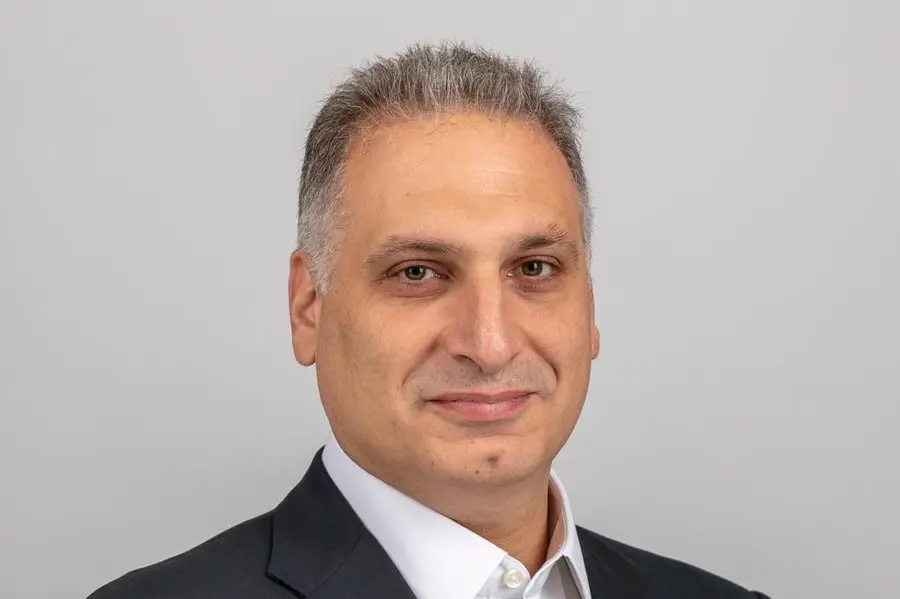
Dr Nacer Mami, hospital network regional lead at the MIT Jameel Clinic, said: “From our work across several countries, we have seen that AI tools such as MIRAI and SYBIL can add real value to existing screening programmes when they are carefully adapted to local clinical practice. By working closely with IsDB and its member countries, we aim to support the responsible use of AI in ways that deliver tangible clinical benefits and help enable earlier cancer detection at scale.”
Nader Diab, head of programmes at Community Jameel, said: “We are pleased to build on our partnership with IsDB which aims to strengthen member countries’ resilience to global challenges through this collaboration with the MIT Jameel Clinic. Cancer is one of today’s biggest health challenges and the roll-out and integration of early detection tools such as MIRAI and SYBIL into healthcare systems can help IsDB member countries save countless lives.”
Discussions focused on how AI technologies may support national screening strategies, strengthen oncology workflows and enhance diagnostic precision where specialist capacity is limited. Speakers also examined factors relevant to integration, regulatory alignment, and the responsible adoption of digital health tools.
The meeting, the first in a three-part series on AI tools in IsDB member countries, was part of IsDB’s ongoing efforts to promote innovation and evidence-based knowledge exchange across member countries as part of its wider vision to support resilient, efficient and equitable health systems. The session brought together policymakers, hospital administrators, clinicians, and digital health specialists from across the Bank’s regions, fostering dialogue on the potential role of AI tools in advancing early cancer detection.
This emerging cooperation between IsDB and the MIT Jameel Clinic falls within the framework for cooperation established by IsDB and Community Jameel, the non-profit organisation established by Mohammed Abdul Latif Jameel KBE to advance science and learning for communities to thrive and which co-founded the MIT Jameel Clinic with MIT in 2018.
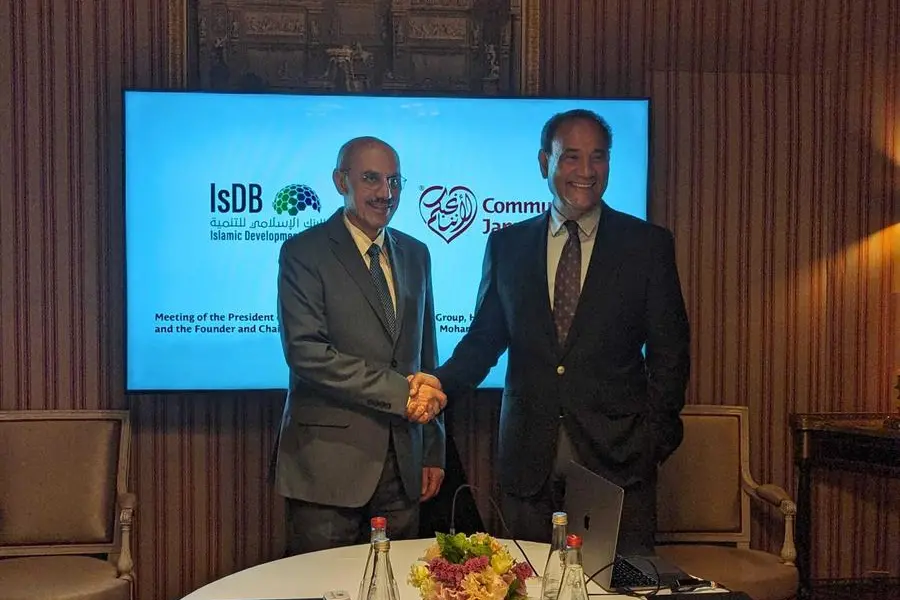
This cooperation was formalised in 2024 with the signing of a memorandum of understanding by IsDB president His Excellency Dr Muhammad Al Jasser and Community Jameel founder Mohammed Jameel KBE to launch a strategic partnership to tackle global challenges across IsDB member countries, including in the field of health with the MIT Jameel Clinic.
In 2022, IsDB, Community Jameel and the Abdul Latif Jameel Poverty Action Lab (J-PAL), a global research centre working to reduce poverty by ensuring that policy is informed by scientific evidence, which has been supported by Community Jameel since 2005 and is named after its founder Mohammed Jameel’s late father, Abdul Latif Jameel, launched a collaboration to embed evidence-based policymaking across IsDB member countries.
Materials from the session, including presentations and a recording, are available here [IsDB x MIT Jameel Clinic Webinar]