PHOTO
Libya signed on Sunday a strategic partnership with international firms to expand and develop the Misurata Free Zone, attracting an estimated $2.7 billion in investment, Prime Minister Abdulhamid Dbeibah said. The agreements would help the project generate operating revenues estimated at around $500 million annually, he said.
"This project not only enhances Libya's position among the region's largest ports in terms of size and capacity, but it also relies on direct foreign investment within a comprehensive international partnership," Dbeibah said on X.
The Misurata Free Zone signed the agreement with Port operator Terminal Investment Limited, which is expected to help MFZ's port become a competitive logistics hub between Africa, Europe and the Middle East.
The Doha-based international infrastructure investor, Maha Capital Partners, also signed the deal. MCP is set to offer long-term capital and strategic oversight.
Dbeibah said this partnership also reflects the government's commitment "to attracting productive external financing to stimulate the economy, modernize infrastructure, and transform state assets into platforms for sustainable returns."
Libya's economy heavily relies on oil, accounting for more than 95% of its economic output.
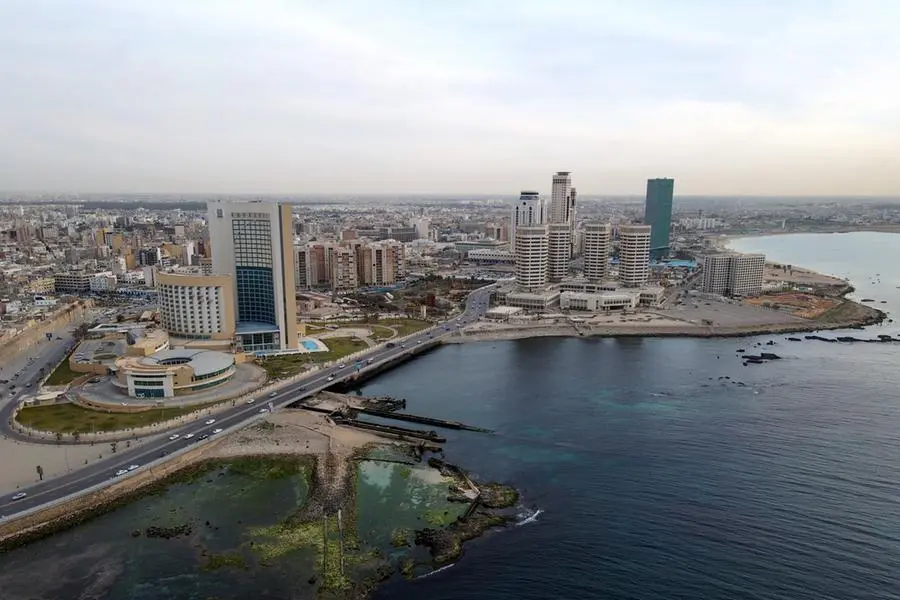
Misurata is a port city located some 200 kilometres (124 miles) east of the capital Tripoli.
Dbeibah said the project would create 8,400 direct jobs and around 60,000 indirect roles.
It also would increase the terminal's capacity to 4 million containers annually, Dbeibah added.
The port extends over a vast area of 190 hectares, according to the free zone's website.
The signing ceremony was held at the MFZ facility and attended by Dbeibah, Qatari Prime Minister Sheikh Mohammed bin Abdulrahman al-Thani and Antonio Tajani, the deputy prime minister and foreign affairs minister of Italy.
"This partnership reflects Misurata's determination to build modern, internationally competitive infrastructure that can unlock new industries, support local employment, and strengthen Libya's position within regional and global supply chains," said Muhsin Sigutri, the free zone's chairman.
Libya has been plagued by instability since a NATO-backed uprising in 2011, leading to a split in 2014 between eastern and western factions, each governed by rival administrations.