PHOTO
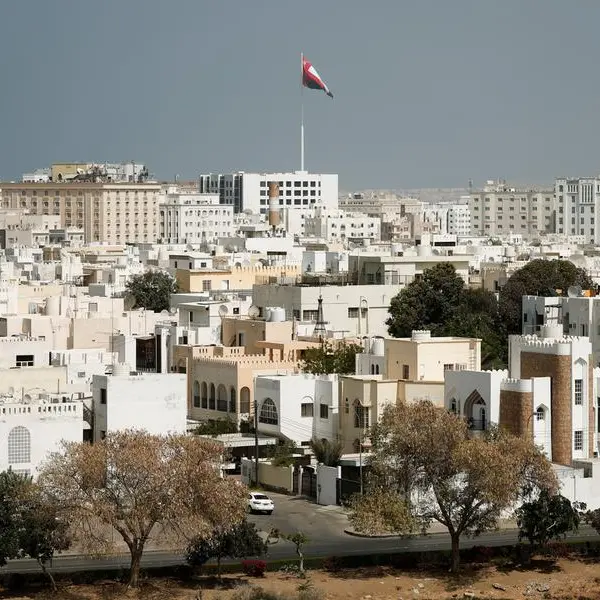
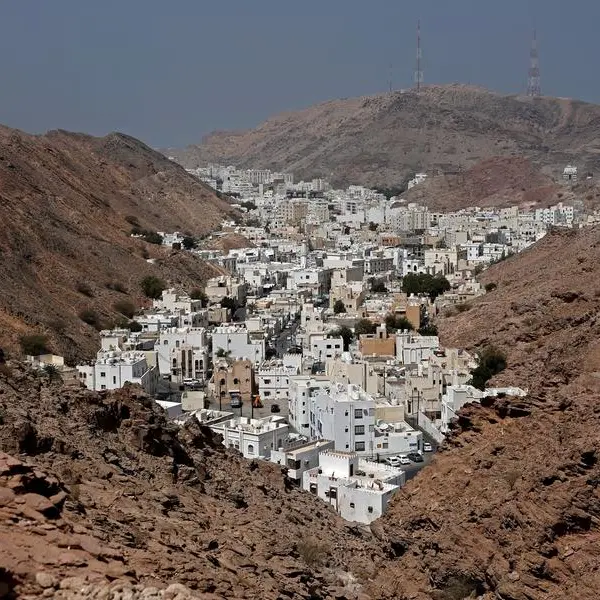
MUSCAT: The Ministry of Housing and Urban Planning has unveiled a series of key indicators highlighting a significant transformation in Oman’s housing and urban development sector, driven by a strategic vision aligned with Oman Vision 2040.
Speaking during a media tour at its headquarters, the ministry said the ongoing shift goes beyond service enhancement to a comprehensive redesign of systems.
Efforts include simplifying procedures, accelerating digital transformation, and expanding housing options — all aimed at improving efficiency and placing beneficiaries at the centre of services.
Between 2021 and 2025, more than 90,000 beneficiaries were able to select land or housing units through advanced digital platforms, reflecting a major shift towards transparent and user-friendly allocation mechanisms.
The real estate registry sector has also recorded notable progress, with over 95,000 property ownership verification applications processed during the same period.
The expansion of digital title deeds and integrated electronic services has significantly boosted efficiency and strengthened confidence in the system.
Among major developments, Sultan Haitham City has emerged as a flagship national project, attracting investments exceeding RO 3 billion. The project continues to make steady progress in infrastructure and key facilities, underlining growing investor confidence in Oman’s real estate sector.
The ministry is also advancing several large-scale urban projects, including Al Thuraya City and the High Mountain project, as part of its strategy to develop integrated urban centres that combine residential, commercial, and recreational spaces, enhancing competitiveness at regional and global levels.
Progress has also been recorded under the 'Sorouh' initiative, which focuses on creating fully serviced residential neighbourhoods designed to improve quality of life and foster balanced urban communities.
On the social front, the ministry confirmed that more than 8,000 families have benefited from social housing programmes between 2025 and 2026, reinforcing its commitment to supporting eligible families and promoting stability.
Infrastructure development remains a key priority, with integrated projects underway across several residential areas. The ministry has also ensured rapid response mechanisms to support those affected by weather events through compensation and emergency housing assistance.
To strengthen the investment climate, flexible models such as the usufruct system have been introduced, enabling the use of government land for development without ownership. This has encouraged private sector participation and supported small and medium enterprises.
The launch of digital platforms such as 'Aqari' and 'Tatweer' has further streamlined procedures, enhanced transparency, and enabled faster processing of transactions within a modern regulatory framework.
Urban renewal projects are also being implemented to revitalise existing neighbourhoods, alongside the introduction of a national Building Requirements Guide aimed at improving construction quality and efficiency in line with global standards.
The ministry highlighted ongoing investments in human capital through specialised training programmes to equip national talent with the skills needed to drive urban and digital transformation.
These combined efforts have resulted in improved performance indicators and high levels of beneficiary satisfaction, underscoring the success of the Ministry’s integrated approach.
The ministry affirmed that Oman’s housing and urban development sector is undergoing a genuine transformation built on innovation, sustainability, and partnership — strengthening the Sultanate’s appeal as an investment destination while enhancing overall quality of life.
2026 © All right reserved for Oman Establishment for Press, Publication and Advertising (OEPPA) Provided by SyndiGate Media Inc. (Syndigate.info).