PHOTO
Kenya is shifting from extracting and exporting raw minerals to local processing, value addition and integrated industrial value chains.
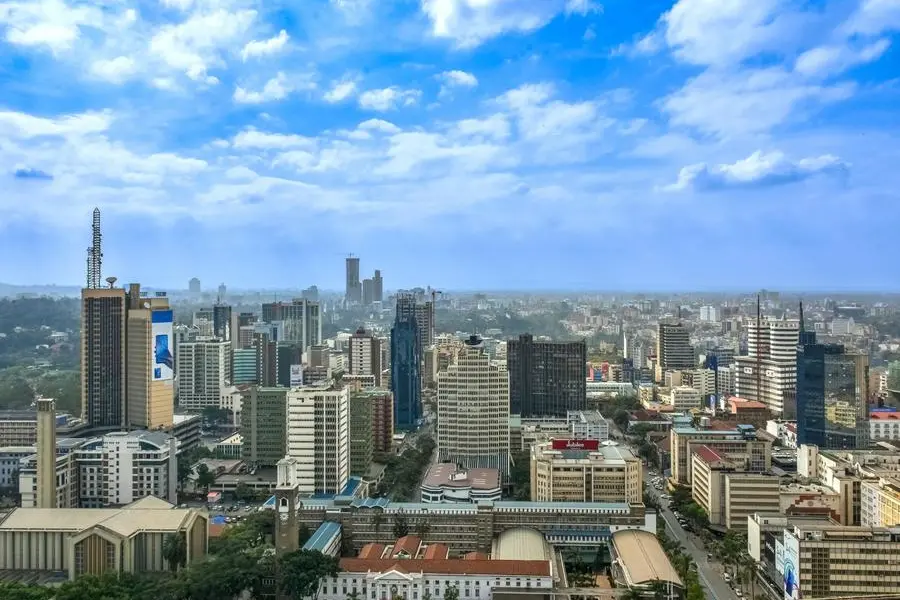
This was President William Ruto’s message as he opened the 2026 Mining Investment Conference in Nairobi, saying Kenya aims to retain more of the mineral value chain.“We will process our minerals here on the continent, we will refine them here, we will manufacture them here,” President Ruto said.
President Ruto said the iron ore pelletisation plant in Taita Taveta, now in its final stages of construction, marked a major step in local mineral processing.
He added that the project formed part of a broader strategy to ensure Kenya’s mineral wealth is processed and industrialised locally rather than exported in raw form.
The country sits on a diverse mineral base, including gold in western Kenya, titanium along the coast, niobium and rare earth elements in Kwale, gemstones across central and coastal regions, as well as iron ore in Taita Taveta and deposits of copper, manganese and chromite in parts of the north and east.
Much of the value embedded in Kenya’s minerals was realised outside the country, where refining, processing and manufacturing took place. Locally, this translated into limited industrial growth, fewer skilled jobs and relatively low returns compared with the global earnings generated from the same resources. It also reinforced dependence on imported finished goods derived from African raw materials.
Across the sector, African governments are pushing for more value to be retained locally through processing and manufacturing.
However, the shift raises difficult sustainability questions: how to build energy-intensive industries without worsening emissions, how to manage water use in processing plants and how to prevent land degradation in already climate-vulnerable regions.
Demand for critical minerals such as lithium, cobalt, graphite and nickel, essential for electric vehicles, batteries and renewable energy technologies, is projected to surge in the coming decades. Africa, with an estimated 30 percent of the world’s critical mineral reserves, is increasingly seen as central to that future.
Experts, however, caution that the same ores driving green transition could also fuel environmental strain if extraction is poorly managed, especially in fragile ecosystems already affected by drought, deforestation and land degradation linked to climate change.
Kenya’s Cabinet secretary for Mining Ali Hassan Joho pointed to progress in mapping mineral deposits, building infrastructure and strengthening regulatory frameworks designed to guide responsible extraction.“Kenya is creating the necessary support infrastructure to spur and open up the industry,” he said.
He said extensive geological surveys had already been completed, allowing the country to identify mineral locations, quality and quantity, reducing investment risk and limiting unnecessary environmental disruption caused by speculative exploration.
The CS added that infrastructure development, including rail and road networks, was being designed to support the mining value chain, though such expansion also raises environmental concerns, particularly habitat disruption, carbon emissions from construction and increased industrial activity in previously untouched landscapes.“Every place you find valuables, minerals, there will be support infrastructure to help you extract,” Joho said.
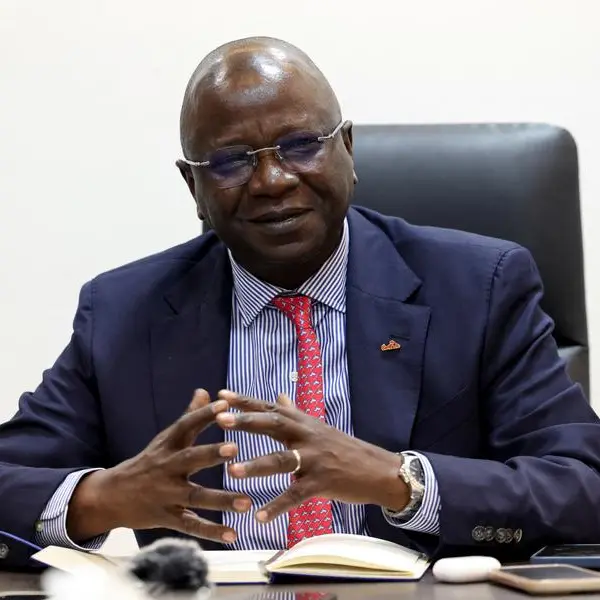
Principal Secretary, State Department for Mining Harry Kimutai said Kenya was positioning itself as a competitive and responsible mining destination.“The mining sector is expected to serve not just as a source of revenue but as a catalyst for inclusive growth, industrial transformation and sustainable development,” he said.
© Copyright 2026 Nation Media Group. All Rights Reserved. Provided by SyndiGate Media Inc. (Syndigate.info).