PHOTO
Beijing is implementing zero-tariff measures for African exporters, a policy shift aimed at reducing the trade imbalance, lowering barriers and boosting African exports to China.
Officials say China’s expanding connectivity to African ports, which gives it greater shipping flexibility, will support the programme.
Elijah Mbaru, CEO of the Kenya Ship Agents Association, said the combination of tariff reductions and improved shipping links will create new opportunities for businesses in both regions.
China has become Africa’s largest trading partner, with bilateral trade exceeding $300 billion, and has invested heavily in infrastructure, including ports, railways and roads.
However, that influence has also entrenched a large trade imbalance, with most African countries importing more than they export to China. Kenya, for instance, exported about $0.21 billion worth of goods while importing $4.32 billion.
Policy signalThe zero-tariff arrangement aims to address this gap while signalling Beijing’s geopolitical intent to deepen its commercial foothold in African markets.
The first consignment of Kenyan goods under the arrangement is expected to arrive in China in the first week of May.
The shipment was flagged off from Nairobi to Beijing in March during a visit by Chinese Vice-President Han Zheng. His tour focused on promoting the “full implementation of China’s zero-tariff treatment for African countries.”“China intends to boost trade, multiply benefits for African people, help Africa access the enormous opportunities of the Chinese market, and deliver tangible benefits to the continent,” said Guo Haiyan, China’s ambassador to Kenya, at a press briefing in Nairobi.“We hope that Kenya and other African countries will work together with China, make concerted efforts to fully and effectively implement the zero-tariff treatment and deliver substantial results at an early date.”Deal termsFor Kenya, a lower-middle-income country, implementation required signing an early harvest arrangement under the Economic Partnership Agreement for Common Development.
This provides a long-term, stable and predictable framework for China-Kenya economic cooperation, covering tariff reductions, rules of origin and cargo flow facilitation.
The deal is expected to boost exports of agricultural and value-added products, including tea, coffee, avocados, macadamia nuts and horticultural goods, into one of the world’s largest consumer markets.
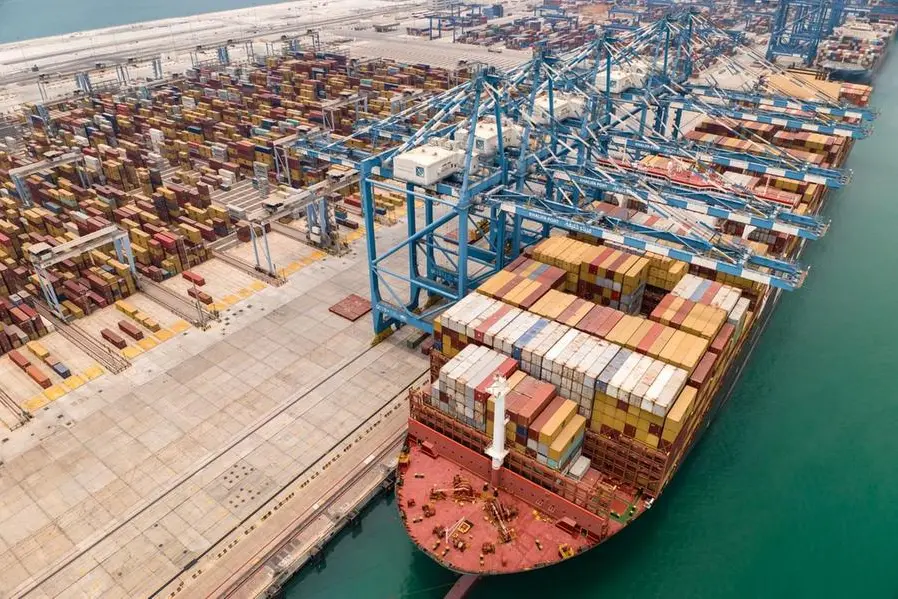
Faster shipping will be critical. China has been expanding its presence in African ports, both by encouraging shipping lines to call there and by financing construction. The strategy reflects a long-term effort to deepen commercial access for Chinese firms as well.
Cosco Shipping, a Chinese state-owned operator, has launched a maritime route linking Qingdao Port with key east and southern African ports, including Dar es Salaam, Mombasa and Durban.
The route, operated by the newly delivered Green Nagoya cargo ship, is designed to improve efficiency and cut transit times for trade between China and Africa’s eastern coast.
© Copyright 2026 Nation Media Group. All Rights Reserved. Provided by SyndiGate Media Inc. (Syndigate.info).