PHOTO
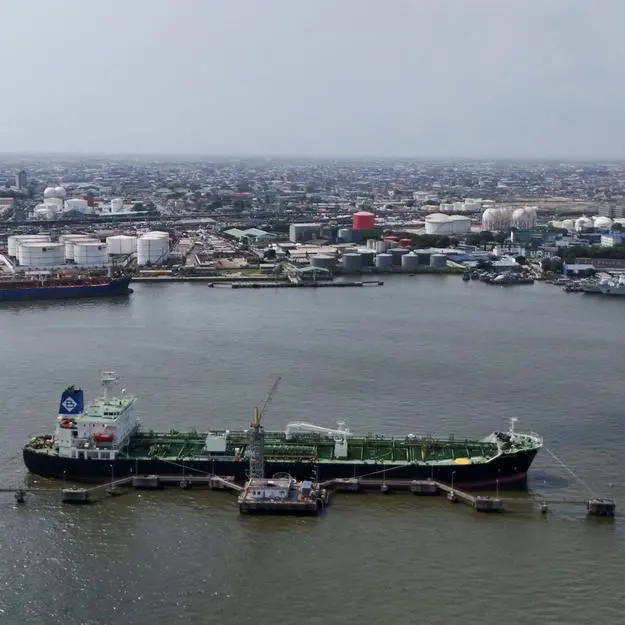
Kenya’s Lamu port continues to benefit from the war in the Middle East, which has stretched its throughput to the limit while giving it new status as an alternative logistics node in the region.
What was once a near-moribund project is now emerging as a key alternative gateway on the Indian Ocean, with vessel traffic surging past historical levels as shipping disruptions reshape global trade routes.
In March and April, Lamu received over 6,000 high-end and heavy duty vehicles destined for Dubai’s Jebel Ali Port due to the closure of Strait of Hormuz.
The port’s general manager Abdulaziz Mzee said some of the vehicles, including tractors and trucks, have been dispatched to neighbouring countries by road.
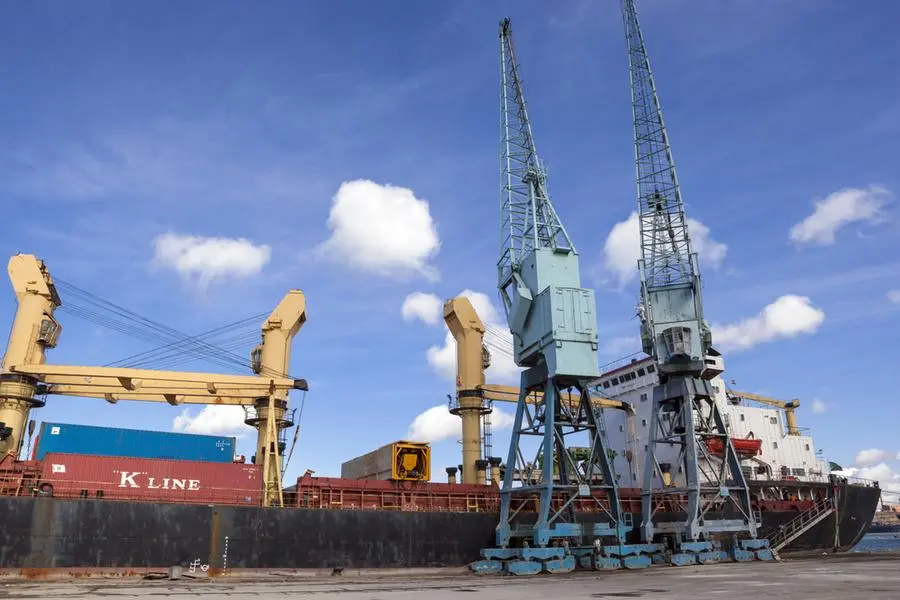
And this week, Mv Century Mas, an Antigua & Barbuda-flagged vessel, docked in Lamu to pick up some of the vehicles and containers dropped by post-Panama vessels in the past few weeks.“In April alone, we had 34 vessels -- the highest number -- making the port one of the most accessible since the Middle East conflict began. We have had some tractors picked by trucks to neighbouring countries, while some vessels are being taken to China using transhipment vessels,” Mr Mzee said.
He said some vessels initially destined for the Persian Gulf had to be diverted to Lamu, where they offloaded their cargo.“Since February this year, when the Middle East conflict erupted, there has been increased vessel call-ins. In fact, the war resulted in Lamu port receiving the first-ever pure car carrier vessels, MV Grande Auckland and MV GrandeFlorida,” the GM said.
Data from Seatrade and Kenya Ports Authority (KPA) indicates that 102 vessels have docked at the facility in the first four months of the year.
KPA says such developments highlight Lamu’s growing role in regional trade, noting that the port’s deep-water berths and large turning basin allow it to accommodate ultra-large vessels that cannot easily dock at the Port of Mombasa.
The first three operationalised berths have 400-metre quay lengths, 18 metres deep, accommodating massive, modern Panamax vessels.
In March, thousands of luxury vehicles found a temporary home in Lamu port after vessels en route to Dubai’s Jebel Ali Port, a major hub, were compelled to divert to Lamu, turning the historically serene island into a storage facility.
The situation underscores the fragility of international trade routes and the increasing reliance on alternative ports to maintain supply chain continuity.
The surge is not only boosting port operations but also potentially creating ancillary business opportunities in logistics, storage, and ground handling services.
The escalating geopolitical conflict in the Middle East, which has disrupted shipping routes and affected destinations such as Dubai, Lamu has emerged as the most suitable option in terms of efficiency and economic savings.
The $2.5 billion Lamu port went live on May 20, 2021 with only 12 vessels recorded within that particular year. The worse was to come in 2022, with only four vessels call-ins. In 2023, 36 vessels docked there and in 2024, 20 were received, with just over 74,000 tonnes. nearly 800,000 tonnes in 2025.
Now, the crisis has effectively accelerated what policy and infrastructure had struggled to achieve: relevance.
The economic implications are already visible. Increased vessel calls mean higher revenues from port charges, cargo handling, and logistics services.
The arrival of large shipments, including thousands of vehicles in a single consignment, is also reinforcing Lamu’s role as a redistribution hub for regional trade.
More crucial, the surge is repositioning Kenya within global shipping networks. For the first time, Lamu is not just complementing the Port of Mombasa, it is acting as a strategic alternative when traditional routes become unstable.
Still, the long-term outlook will depend on whether this momentum can be sustained beyond the current geopolitical cycle.
© Copyright 2026 Nation Media Group. All Rights Reserved. Provided by SyndiGate Media Inc. (Syndigate.info).