PHOTO
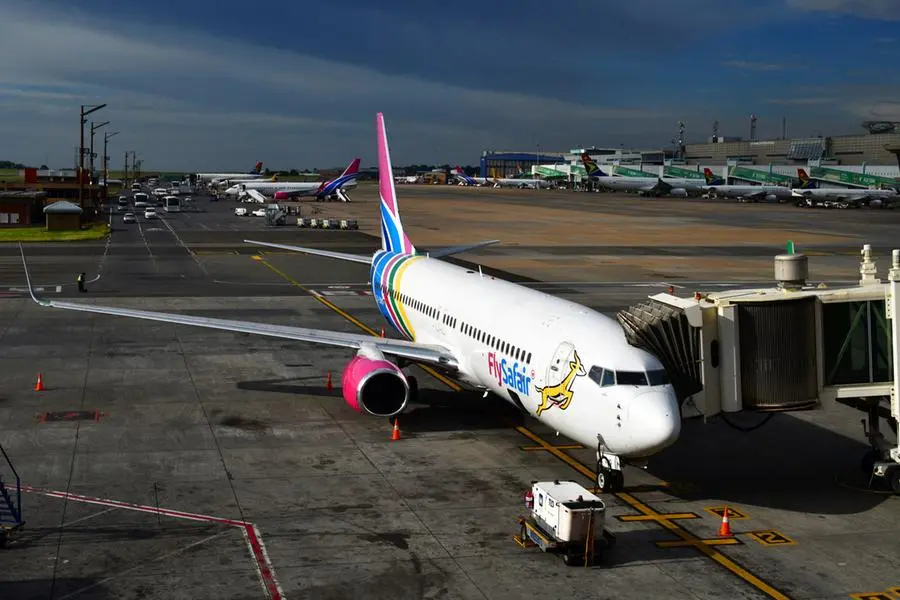
FlySafair is adding a temporary fuel surcharge as jet fuel costs spike amid escalating tensions in the Middle East. The move is designed to keep pricing transparent for passengers while helping the airline manage soaring operational expenses.
South Africa is a net importer of refined petroleum products, including Jet A1 fuel, and is closely monitoring developments in the Middle East. The US and Israel recently bombed Iran, triggering retaliatory attacks that have pushed crude oil prices above $100 a barrel and disrupted the vital Strait of Hormuz energy transit route.
FlySafair’s temporary measure
"Instead of increasing fares across the board or hiding costs, we have chosen to introduce a clearly labelled, temporary surcharge," Kirby Gordon, chief marketing officer at FlySafair, said in a statement.
"This gives customers full visibility into what they are paying for and allows us to remove the surcharge once prices stabilise," he added.
Jet A1 fuel prices at South African coastal airports have risen approximately 70% in just one week. With no end in sight, FlySafair will implement the surcharge to sustain its operations. The additional cost takes effect from 12 March and will apply only to flights departing before or on May 12, 2026.
Wider industry context
In response to rising costs and potential fuel shortages, South African Airways said it was monitoring the Middle East situation and had sufficient fuel arrangements to support its flight schedule.
"SAA is concerned as the increase in fuel prices have impact on several factors, including operations costs, which impacts profitability and the customer," a spokesperson said.
According to the African Airlines Association, fuel costs for African carriers typically represent 30% to over 40% of total operating expenses, well above the global average of 20–25%.
All rights reserved. © 2026. Bizcommunity.com Provided by SyndiGate Media Inc. (Syndigate.info).