PHOTO
Most Gulf stock markets ended mostly lower on Thursday, led by Saudi Arabia, as oil prices slid more than $2 a barrel after the United States and Iran agreed to hold talks in Oman.
Crude prices, a key driver for Gulf financial markets, tumbled 2.2% with Brent trading at $67.93 per barrel by 1300 GMT. The discussions between the two sides come as the U.S. builds up forces in the Middle East, and regional players seek to avoid a military confrontation that many fear could escalate into a wider war.
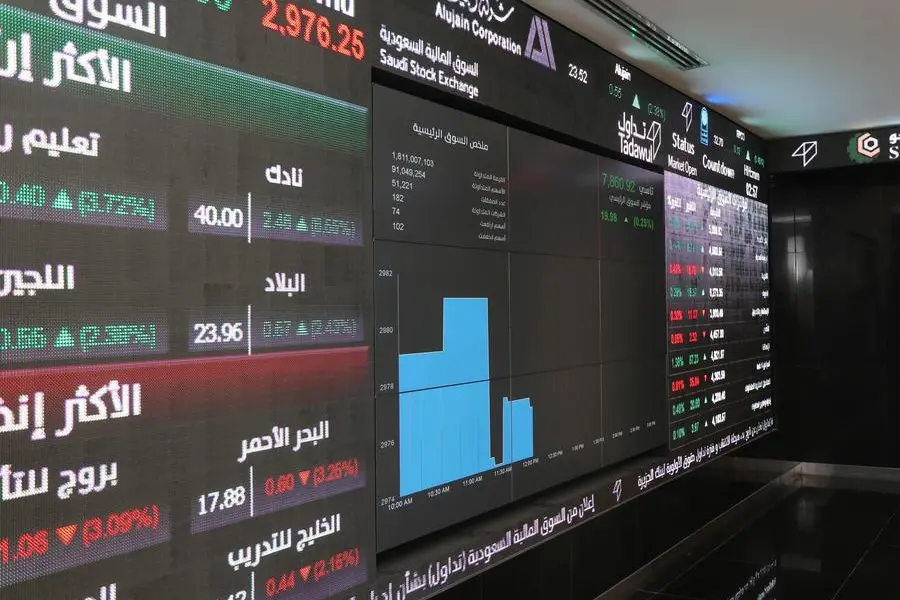
Saudi Arabia's benchmark stock index fell 1.3%, snapping a three-session winning streak, with all constituents in negative territory. Declines were led by materials, IT and real estate. Saudi Arabian Mining dropped 5.4% and Saudi National Bank, the kingdom's largest lender by assets, slid 2.7%. Bank Albilad rose 0.8% after posting higher full-year net profit on Wednesday. The Saudi index also logged a weekly loss of 1.8%, as profit-taking set in after three consecutive weekly gains.
"Market sentiment shifted to a risk-off mode, influenced by the mood in the U.S. and other global markets, as well as a decline in commodities, including oil prices," said Daniel Takieddine, co-founder and CEO of Sky Links Capital Group.
"While investors await further fourth-quarter earnings releases to potentially reignite the upward trend, external factors ranging from geopolitics to global market caution have temporarily dampened sentiment," he added.
The Qatari benchmark index eased 0.3%, with most stocks lower. Qatar National Bank , the region's largest lender, fell 0.6% and Gulf International Services dropped 1.2%. The Abu Dhabi benchmark index was marginally higher, as losses in utilities, healthcare and consumer staples outweighed gains elsewhere. National Bank of Umm al-Qaiwain rose 3.2% after reporting a 15% increase in full-year net profit, while Abu Dhabi National Energy Company fell 1%.
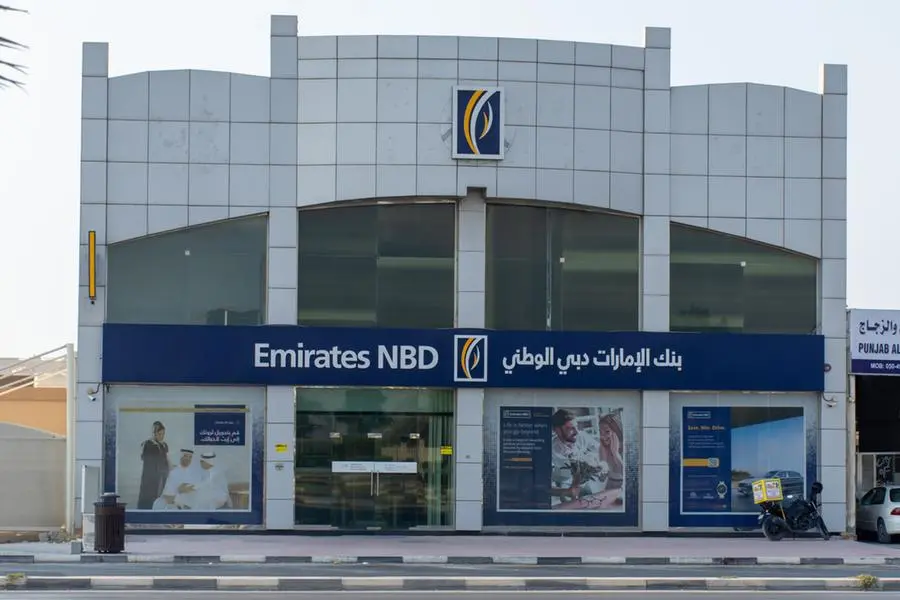
Dubai's benchmark stock index extended gains for a fourth straight session, adding 0.1% to 6,675 — a fresh record high since 2006. Emirates NBD, Dubai's biggest lender, gained 1.5% and Emaar Development advanced 2.8%. In separate data, the UAE's non-oil private sector logged the fastest growth in new business in nearly two years in January, driven by a sharp rise in new orders, a survey showed on Wednesday.
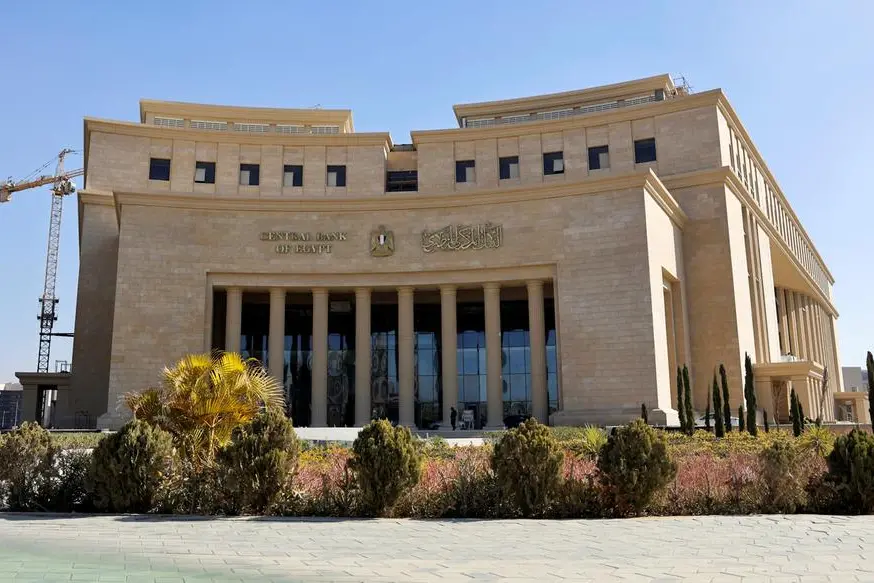
Outside the Gulf, Egypt's blue-chip index rose 0.2%, supported by an 8.1% jump in Ibnsina Pharma and a 2.2% gain in Fawry for Banking Technology.
- SAUDI ARABIA dropped 1.3% to 11,189
- KUWAIT lost 0.5% to 9,266
- QATAR down 0.3% to 11,355
- EGYPT up 0.2% to 49,739
- BAHRAIN ended flat at 2,060
- OMAN gained 0.7% to 6,425
- ABU DHABI up 0.1% to 10,547
- DUBAI rose 0.1% to 6,675
(Reporting by Md Manzer Hussain; Editing by Eileen Soreng and Shailesh Kuber)