PHOTO
Emerging Asian stocks and currencies slid on Monday after weekend U.S. and Israeli attacks on Iran and Tehran's retaliatory strikes in the region lifted oil prices and sparked a dash for havens such as the U.S. dollar, gold and sovereign debt.
The MSCI index of emerging Asian equities declined 1.4%, setting it up for its steepest drop in nearly a month, while MSCI's gauge of emerging-market currencies fell 0.6%, putting it on course for its weakest session in three years.
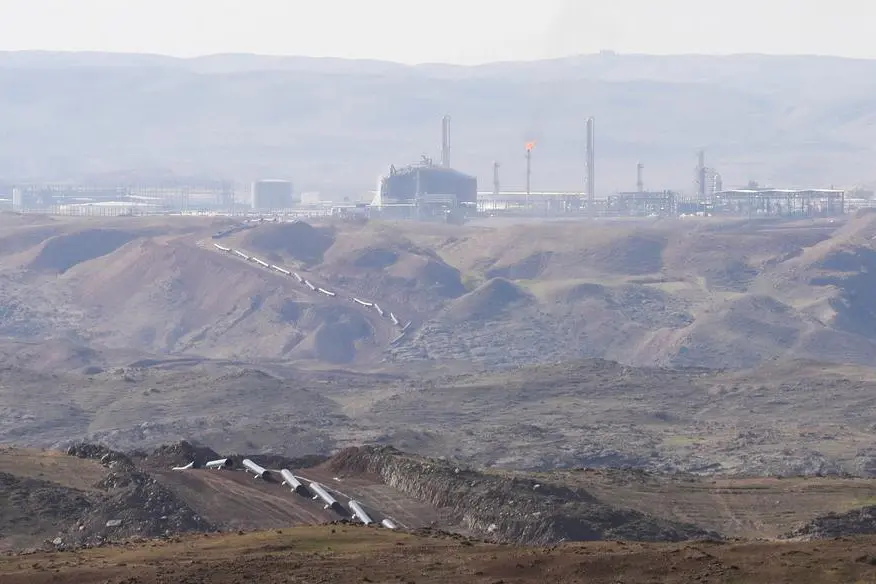
Oil prices jumped as much as 8% in early trading on fears of supply disruptions through the Strait of Hormuz.
A sustained spike in crude is particularly painful for Asia's major net importers, such as India and Thailand, which face widening trade gaps and renewed inflationary pressure if prices stay elevated. U.S. President Donald Trump said the conflict could run for around four weeks.
The Philippine peso and Thai baht - both currencies of net oil importers - led regional FX losses. The peso fell as much as 0.8% to 58.092 per dollar, its weakest level since February 23, while the baht fell as much as 1% to the lowest since February 17.
The Indonesian rupiah and Malaysian ringgit slipped 0.5% and 0.4%, respectively, and the Taiwan dollar dipped 0.6%.
The U.S. dollar index touched a multi-week high. "If meaningful oil price increases are sustained, we think the likes of KRW, INR, and to some extent PHP are more vulnerable given their linkages to oil imports and also KRW's higher beta nature," MUFG currency strategist Michael Wan said.
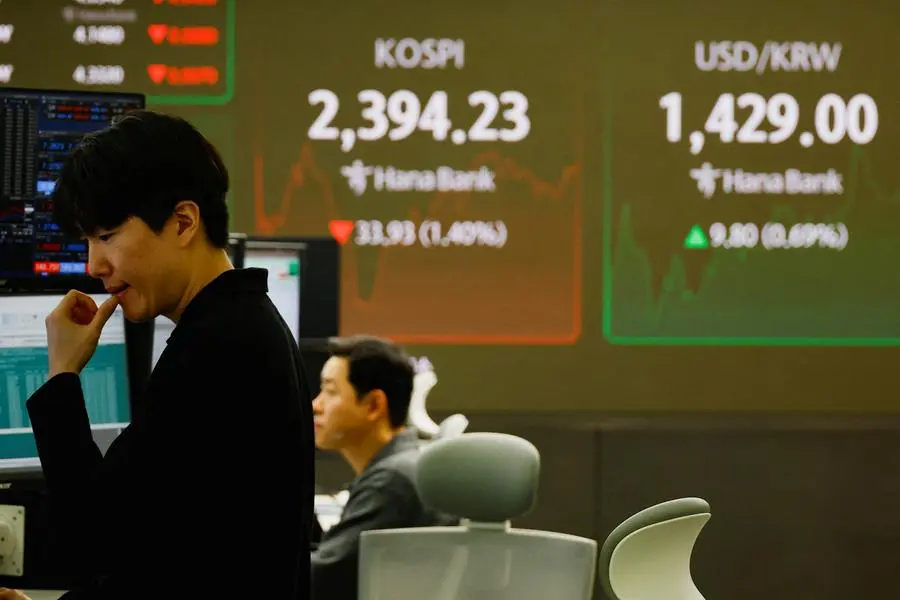
South Korean markets were closed on Monday for a national holiday.
Equities in Manila slid as much as 2.8%, Bangkok stocks fell as much as 2.6%, while Singapore and Indonesia each declined as much as 2.4%.
Benjamin Jones, global head of research at Invesco, said many emerging markets that rely on foreign energy sources could be at risk, while energy-producing nations may fare better.
He added that with much of the macro impact likely to be felt through higher oil prices, energy producers could outperform energy consumers, while cyclical and consumer sectors may be hit hardest.
Sector-specific winners and losers were much the same across the region, with airlines and airport-linked stocks hit hard on disruption concerns, while energy names and shippers outperformed on higher crude prices and the prospect of elevated freight and insurance costs.
Singapore Airlines slid as much as 7.5%. In Australia, Qantas tumbled as much as 10.4%, while Hong Kong's Cathay Pacific lost as much as 7%.
In Indonesia, where financial markets have been bruised this year by governance concerns, the country's central bank said it would remain present in the market through intervention given the conflict in the Middle East, and that it was monitoring developments closely to guard the rupiah.
The turmoil also rippled across the Gulf over the weekend.
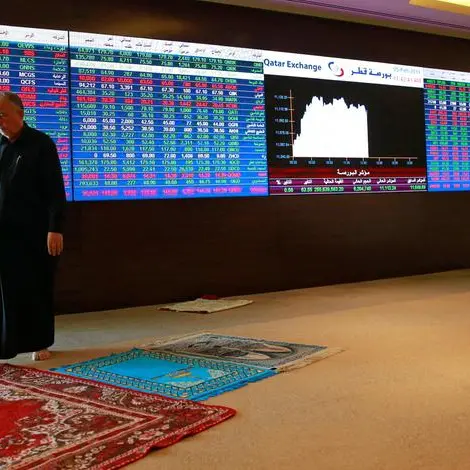
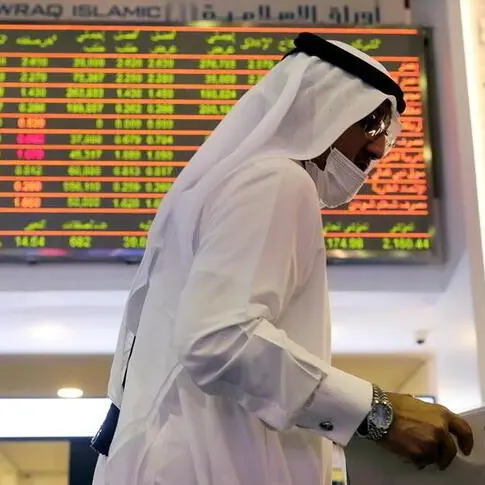
Kuwait's stock exchange suspended trading until further notice, with officials citing "exceptional circumstances", while the UAE moved to halt trading in Abu Dhabi and Dubai for two days.
Markets will focus on inflation readings from the Philippines and Thailand on Thursday, while South Korea's February CPI is scheduled for Friday.
Bank Negara Malaysia's policy decision is due on Thursday, with analysts expecting rates will be held steady.
(Reporting by Roushni Nair, Sameer Manekar and Rae Wee; Editing by Edwina Gibbs and Kevin Buckland)