PHOTO
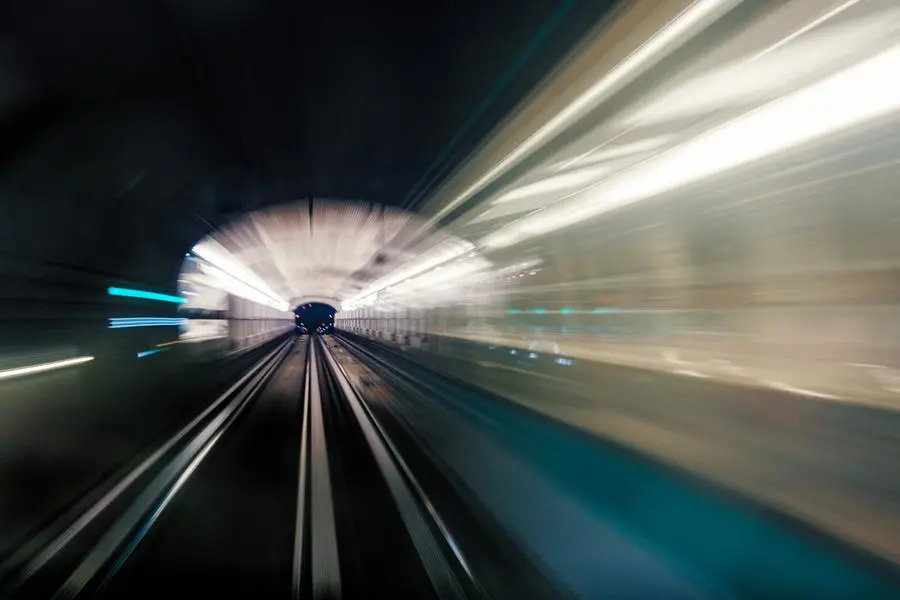
Bahrain - Detailed preparations are underway for the first phase of Bahrain’s long-awaited Metro project, which is expected to transform public transport, ease congestion and reshape urban mobility across the kingdom.
Responding to a parliamentary question from MP Lulwa Al Romaihi, the Transportation and Telecommunications Ministry confirmed that work is currently focused on preparing the routes for Phase One, in line with the approved master plan.
Transportation and Telecommunications Minister Dr Shaikh Abdulla bin Ahmed Al Khalifa said the project represents a strategic investment in Bahrain’s transport infrastructure.
“The Bahrain Metro is a cornerstone project aimed at providing a modern, efficient and sustainable public transport system,” the minister said.
“We are working through detailed planning and integrated procedures to ensure the optimal preparation of the first-phase routes, in co-ordination with all concerned entities.”
According to the ministry, Phase One will consist of two main metro lines designed to serve key residential, commercial and economic hubs.
The first line will run from Bahrain International Airport to the Seef District, linking the gateway to the kingdom with one of its busiest commercial and retail areas.
The second line will extend from Juffair to the Educational District in Isa Town, passing through densely populated and strategically important zones.
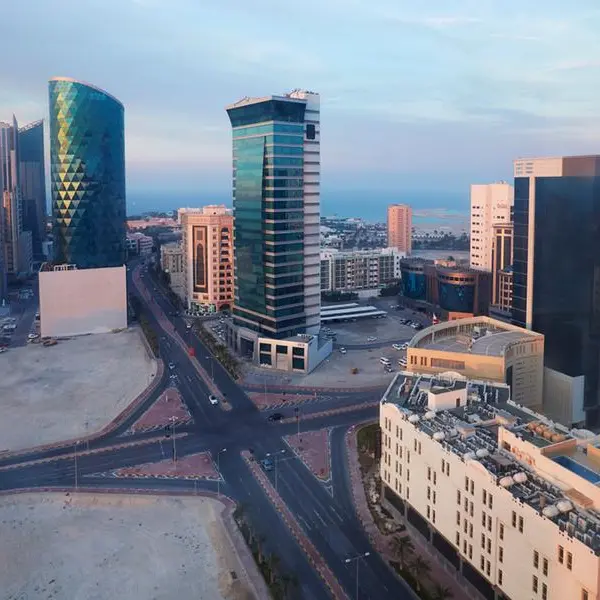
Together, the two lines will include 20 stations, among them two major interchange stations, allowing seamless transfers between the routes. These will be located in the Bahrain Financial Harbour area and at the Central Market in Manama.
“These interchange stations are essential to ensuring smooth connectivity and comprehensive coverage of vital areas across the kingdom,” Dr Shaikh Abdulla said. “They will play a key role in making the metro a practical and attractive option for daily commuters.”
While the overall scope of the project is clear, the ministry said it is not yet possible to provide a final cost estimate. This is due to the ongoing development of detailed designs, as well as fluctuating market conditions and broader economic factors.
“The final cost will be determined once the detailed studies and designs are completed and approved,” the minister said. “At that stage, the necessary financial adjustments will be made based on accurate and up-to-date data.”
The minister said once operational, the Bahrain Metro is expected to significantly improve traffic flow, complementing the existing bus network and offering a reliable alternative to private vehicles.
Bahrain first announced plans in 2018 to develop a 109km fully-automated, driverless metro system in four phases, estimated at the time, to cost around $2 billion.
The GDN earlier reported that the project had already cost the government BD7.5 million up until 2022. A further BD11.7m has been allocated last year, and a further BD91.3m until completion in 2029.
The ministry has qualified seven consortiums for the execution of Phase 1, according to project details on its website.
Additionally, Phase 1 of the metro network will be connected to King Hamad International Railway Station through Phase 1A, which will span 8km and include four stops.
The ministry is also conducting studies for Phase 2 of the project which will link King Hamad International Railway Station in Ramli area to the Sports City, Exhibition World Bahrain in Sakhir. This phase will cover a total length of 18km and will include five stops.
Dr Shaikh Abdulla stressed that the metro is not just a transport project, but part of a broader vision for smarter and greener cities.
“Reducing reliance on private cars and encouraging public transport use is essential for long-term sustainability,” he said. “The metro will contribute directly to improving quality of life and supporting environmental goals.”
On its relationship with the GCC Railway Project, he clarified that both initiatives are being managed independently, in terms of planning and implementation. However, co-ordination is ongoing to ensure future integration in a way that serves national and Gulf-wide strategic interests.
“There is no direct impact of one project on the other at this stage,” the minister said, “but we are ensuring that future connectivity remains possible and aligned with shared objectives.”
Looking ahead, the minister expects both the Bahrain Metro and the GCC Railway to bring about a qualitative shift in the kingdom’s transport landscape, reducing congestion on key routes and strengthening reliance on public transport.
The Bahrain Metro project is expected to be discussed in Parliament tomorrow, with Dr Shaikh Abdulla expected to be present to answer any additional questions by Ms Al Rumaihi.
MPs will also debate a royal decree ratifying the unified GCC Land Transport System, in the presence of the minister.
Copyright 2026 Al Hilal Publishing and Marketing Group Provided by SyndiGate Media Inc. (Syndigate.info).