PHOTO
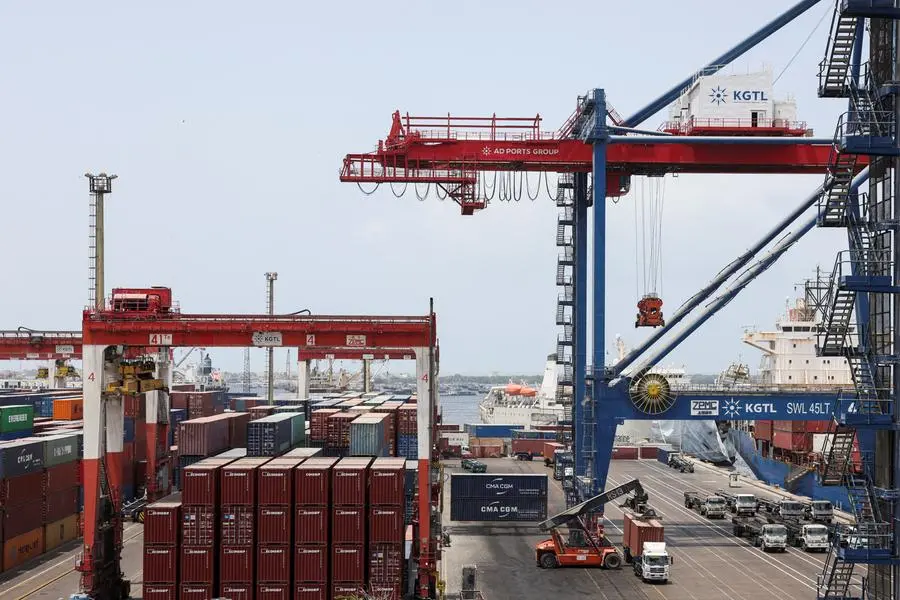
Pakistan's Karachi Gateway Terminal is planning up to $100 million in new investment within five years as the country tries to cut freight costs and turn a cargo surge triggered by the Iran war into longer-term regional shipping gains.
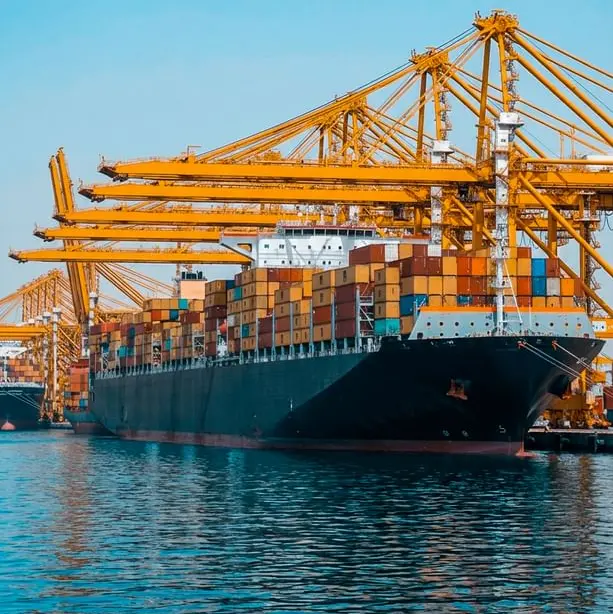
Karachi Gateway Terminal Ltd, backed by Abu Dhabi Ports Group, has already completed a $60 million dredging project at Karachi Port and is expanding container and bulk-handling facilities, CEO Khurram Aziz Khan told Reuters in an interview.
"We are targeting another $75 million to $100 million" within five years, Khan said, adding that the next phase would focus on expanding the container terminal, enhancing yard capacity, larger ship and yard cranes, dedicated bulk export infrastructure, silos, warehouses and automated conveying.
KGTL is also exploring investment in rail freight, including locomotives, rolling stock and storage hubs near agricultural areas, to link those areas to ports and help Pakistan export products such as corn and rice more competitively, he said.
"For transit as well, you need to provide a complete solution," Khan said. "We are ready to invest in that as well, to bring our own rolling stock and locomotive for the freight trains business."
DISRUPTION INTO TRAFFIC
The Iran war created a new opportunity for Pakistan to act as a transshipment hub, as cargo was rerouted through Karachi for onward shipment to other destinations during the conflict, Khan said.
"Pakistan has never really handled transshipment volume," he said. "This conflict has created this opportunity for Pakistan."
The dredging project is expected to allow Karachi Port to handle bulk vessels of up to 120,000 metric tons, from about 60,000 tons previously, once Karachi Port Trust issues revised handling parameters expected within days, Khan said.
KGTL is upgrading its bulk terminal to cut handling time for a 60,000-ton vessel to about 2.5 to 3 days from 12 to 15 days, while building silos with annual capacity of 8.5 million tons for clean bulk cargo to secure national food security, bulk-export warehouses and systems for fertilizer imports.
But sustaining the gains will depend on better road and rail links, Khan said.
(Reporting by Ariba Shahid in Karachi; Editing by Jan Harvey)