PHOTO
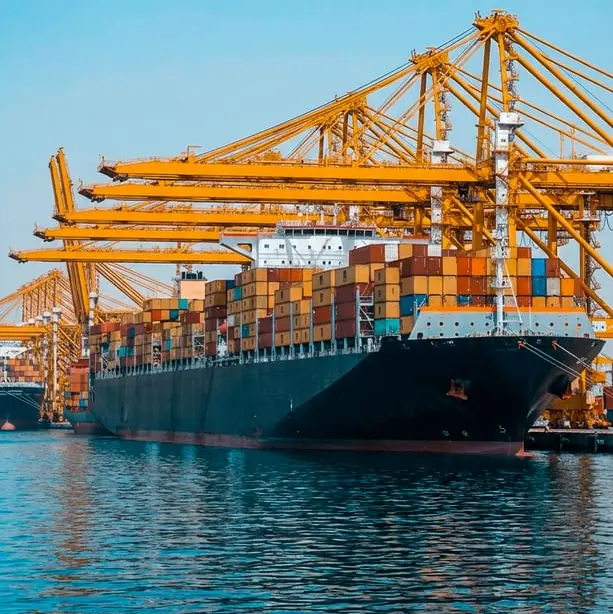
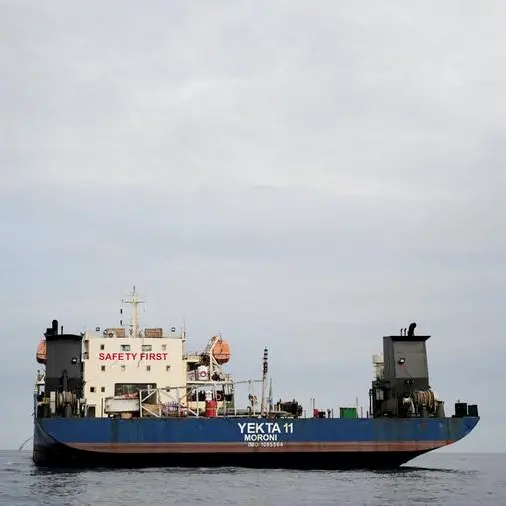
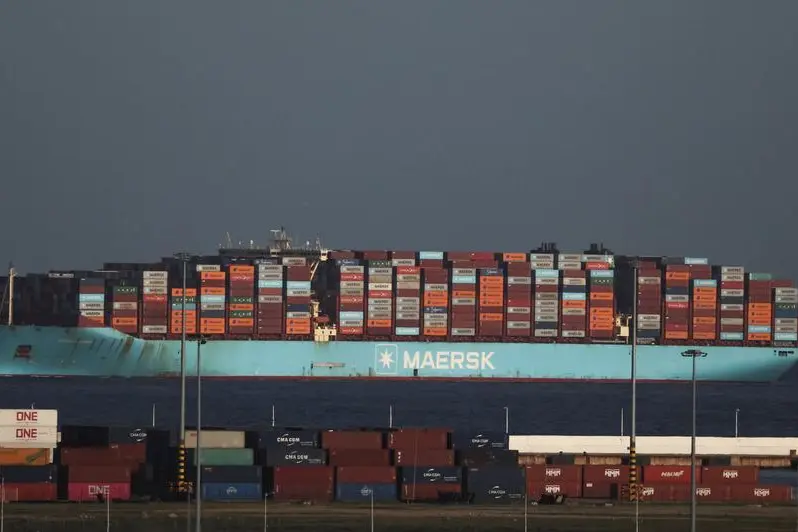
Shipping giant Maersk is maintaining food and medicine supply lines via alternative land-bridge routes that still have some spare capacity despite the war in the Gulf, its regional head told Reuters on Thursday.
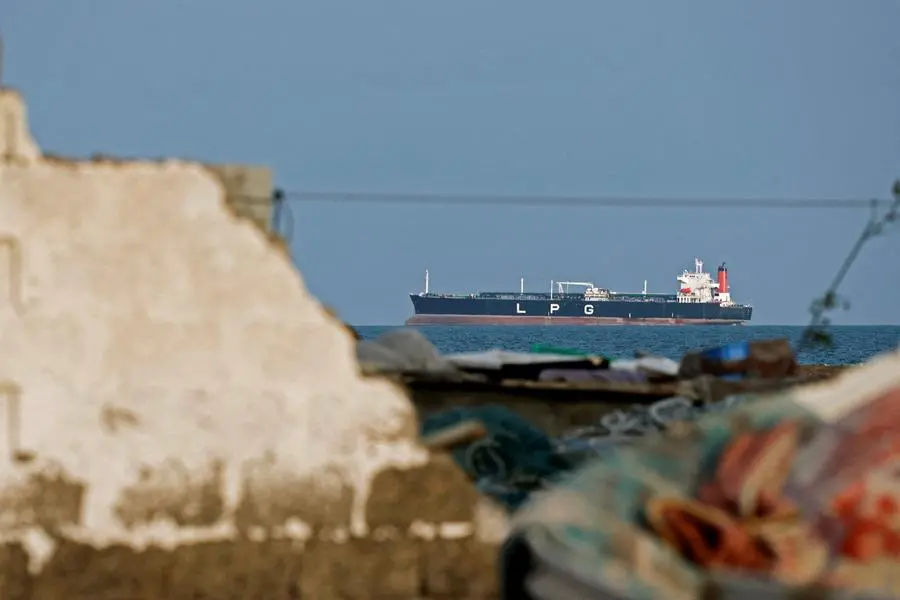
The war that began with U.S.-Israeli strikes on Iran last month, followed by Iranian attacks across the region and the closing of the Strait of Hormuz, has brought shipping in the Gulf to a near standstill, rippling across global supply chains.
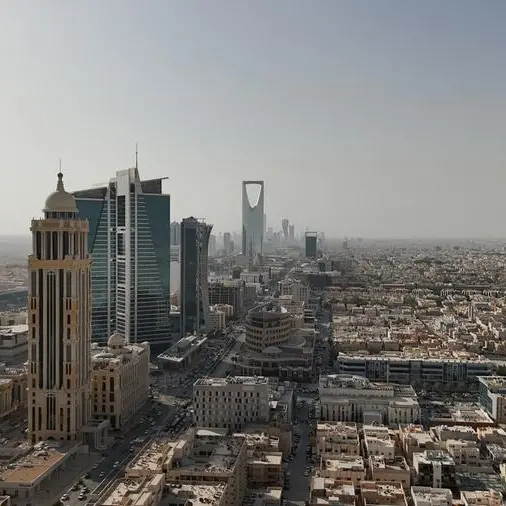
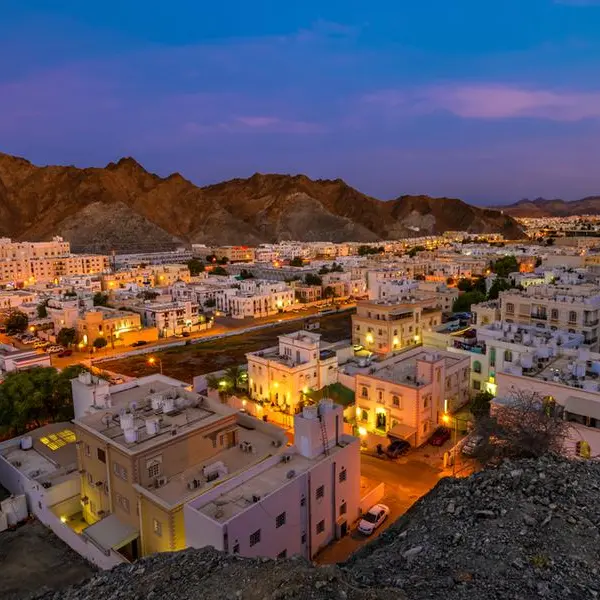
Danish container shipping group A.P. Moller-Maersk is using a "land-bridge" system, involving ports such as Jeddah in Saudi Arabia, Salalah and Sohar in Oman and Khor Fakkan in the United Arab Emirates, to funnel in cargo before moving it by land to destinations across the Gulf region.
Charles van der Steene, the Dubai-based regional managing director for the Middle East, said in an interview Maersk was ramping up the network and coordinating with governments across the Gulf, which have introduced faster procedures to speed up deliveries.
While it is prioritising critical goods, namely food and medicines, there is still capacity to spare in these alternative routes, he added.
Maersk's board chair said on Wednesday that the Middle East region has a "pressing need" for food imports disrupted by the war. Gulf Cooperation Council countries import up to 85% of their food, according to the World Economic Forum.
(Reporting by Maggie Fick; Editing by Joe Bavier and Andrei Khalip)