PHOTO
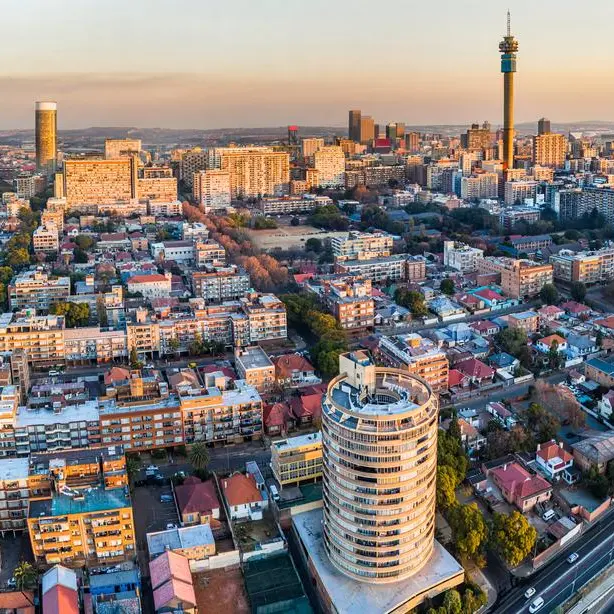
The economic fallout from the Middle East war and a collapse in foreign aid are pushing more African countries to the International Monetary Fund, the Fund said on Thursday.
The Fund cut its 2026 growth forecast for the continent to 4.3% in its global outlook on Tuesday, warning that energy importers without a strong resource buffer would come under particular strain.
Against that backdrop, a growing number of governments are seeking IMF loans or expanded support under existing programmes.
"We are ... the world's crisis fighter," said Abebe Selassie, IMF Africa director, in an interview with Reuters, adding that a number of countries were turning to the Fund for advice and support.
"We've been discussing how we can best do that — whether it's bringing forward disbursements that have already been approved, because that's often the quickest way to get support for countries. In other cases, it will be new programs or augmenting existing programs."
Some 27 of the region's 45 countries are currently benefiting from IMF-supported programs, the Fund said.
Gabon has formally requested an IMF loan, while Chad and the Central African Republic are undergoing programme reviews. Equatorial Guinea remains under a staff-monitored arrangement, Zimbabwe agreed one in February to clear arrears, and Mozambique is seeking IMF backing to unlock debt talks.
"Just as the region is beginning to recover, growth was recovering, then you have this new shock," said Selassie, adding the Middle East war was "taking the froth off what had otherwise been really good recovery".
The conflict is testing sub-Saharan Africa's stabilisation gains, lifting fuel and fertiliser costs and disrupting trade, tourism and remittances, while in some countries undermining power generation, transport and mining.
Adding to the strain, bilateral aid fell in 2025, driven mainly by donor decisions rather than conditions in recipient countries, the IMF said. OECD data published in early April showed aid to some of the poorest countries, many of them in Africa, dropped by more than a fifth in 2025.
Many sub-Saharan African governments lack the fiscal space to offset these pressures, Selassie noted.
"Most of these countries don't have that luxury," he said, noting that sharp cuts to humanitarian support disproportionately affected vulnerable populations.
The IMF also forecasts inflation in the region will rise to 5% by the end of 2026.
Despite the challenges, Selassie said he remained upbeat about Africa's longer-term growth potential. IMF analysis shows that closing half the gap with emerging markets in governance, business regulation and the external sector could boost regional output by up to 20% over the next decade.
"In the long run, I remain as optimistic as ever about the region," Selassie said. "I think this will be the African century."
(Reporting by Colleen Goko in Johannesburg and Karin Strohecker in London. Editing by Mark Potter)